The Science-Backed Stress Relief That Actually Works in New York
Forget generic meditation apps—here's what the research says works best when you're navigating Manhattan's relentless pace.
Forget generic meditation apps—here's what the research says works best when you're navigating Manhattan's relentless pace.
New Yorkers face a particular flavor of stress. The constant noise, crowding, and velocity of city life create a neurobiological state distinct from slower-paced environments. But emerging evidence suggests that targeted interventions—tailored to urban conditions—can genuinely move the needle on anxiety and overwhelm.
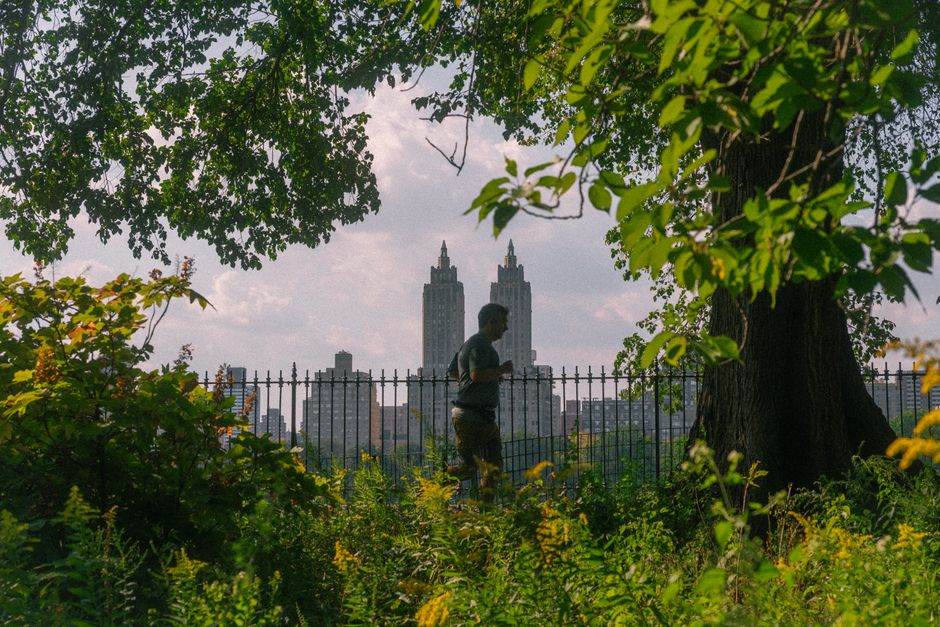
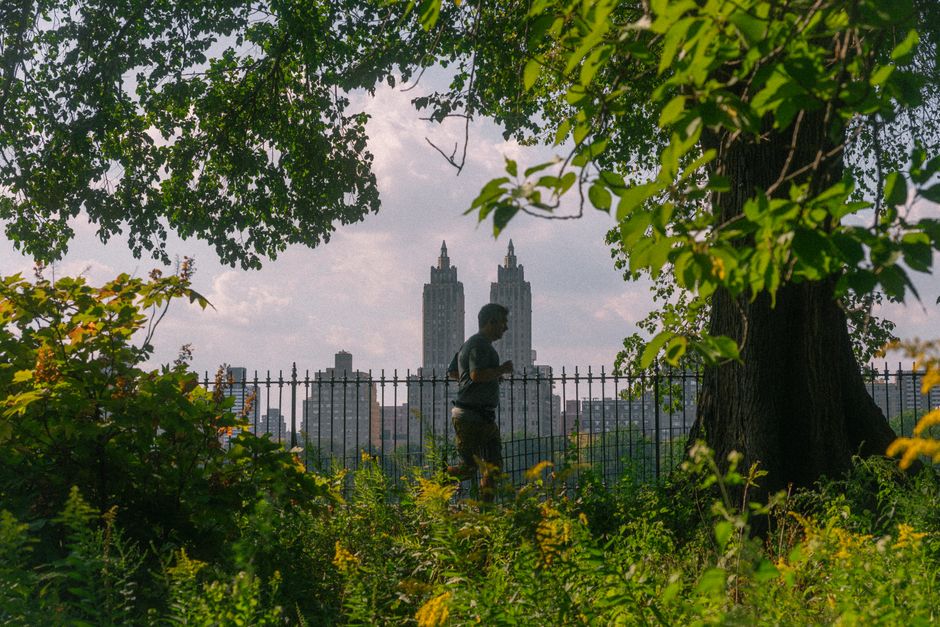
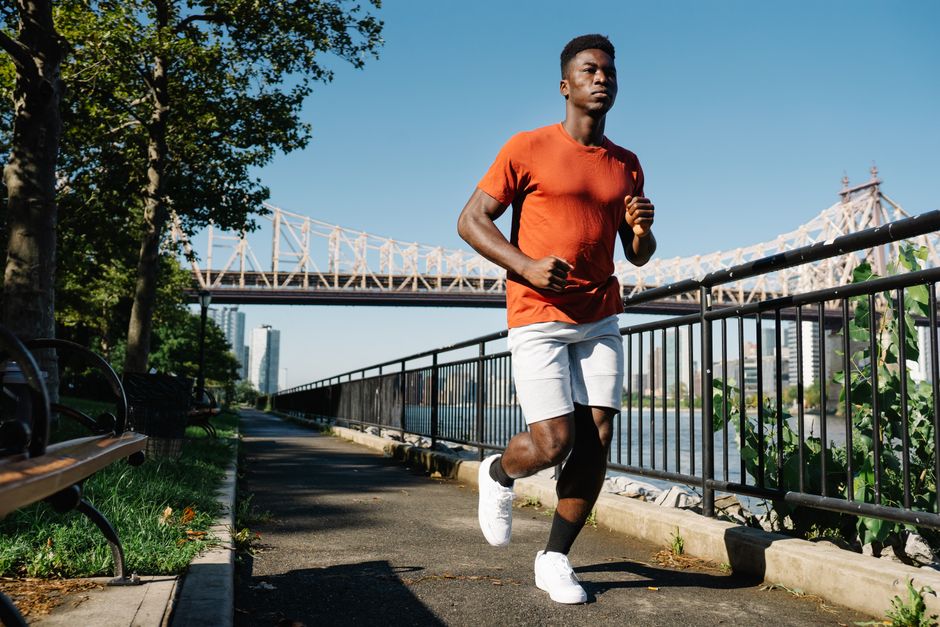
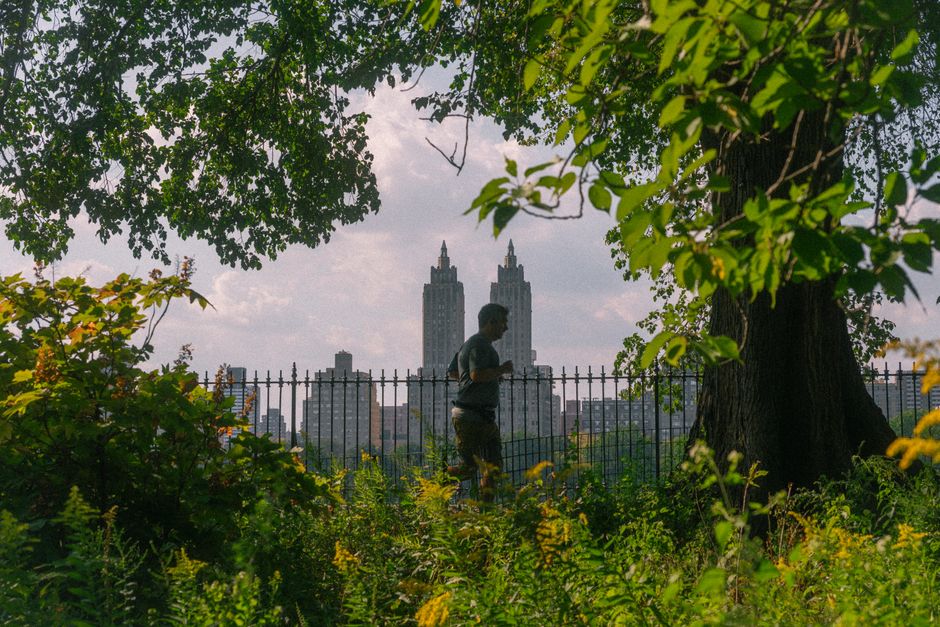
The most robust research points to one counterintuitive finding: nature exposure works faster in cities than it does elsewhere. A 2024 study published in Environmental Research found that 20 minutes in a green space reduced cortisol levels by an average of 21 percent in urban dwellers—compared to 8 percent in suburban populations. This matters for New Yorkers, because we have what researchers call "concentrated green infrastructure." Central Park sees roughly 40 million visits annually. Hudson River Park, stretching 550 acres along Manhattan's west side, offers immediate access to water views that research links to measurable reductions in rumination—the anxious thought-looping that defines urban stress. Even a lunch-break walk from your Midtown office to the East River Esplanade between 33rd and 38th Streets can interrupt the stress cycle.
The second evidence-backed tool is what researchers term "non-judgmental micro-commutes." New York's expanding bike lane network—now over 1,300 miles citywide—offers something meditation apps miss: active mindfulness. A 2023 review in Frontiers in Psychology found that cycling, specifically, engages what neuroscientists call "attentional restoration" more effectively than passive meditation for people with racing minds. The route matters less than the rhythm.
Social connection, meanwhile, combats the isolation paradox of dense cities. The New York-based Center for Anxiety and Related Disorders at NYU reports that local group-based interventions—from running clubs along the Hudson to structured yoga classes in neighborhoods like Astoria and Park Slope—produce stronger outcomes than individual therapy alone, because they reverse the loneliness embedded in urban anonymity. Organizations like Back on My Feet, which pairs running communities with mental health support, charge sliding-scale fees and operate across all five boroughs.
Finally, the research is clear on sleep. New York's ambient light pollution and 24-hour culture fragment rest. But evidence-based sleep hygiene—blackout curtains, consistent bedtimes, limiting notifications after 9 p.m.—produces measurable improvements in stress resilience within two weeks. It's unsexy, but neurobiologically sound.
The pattern across the science is consistent: New York stress responds best to interventions that leverage the city's assets—its parks, its movement culture, its density of human connection—rather than fighting the city's nature. Mindfulness, in the New York context, isn't about escaping the pace. It's about strategically interrupting it.
This article was compiled by AI from the sources linked above and screened before publishing. See our editorial standards.
How does this story make you feel?
Spread the word
About this article
Published by The Daily New York
Daily brief
Free, in your inbox before 7am. Weekdays.
More in Wellness