The Daily Moves: How New York Seniors Are Staying Mobile With One Simple Habit
From morning strolls along the Hudson to tai chi in Washington Square Park, locals over 60 are discovering that consistency beats intensity.
From morning strolls along the Hudson to tai chi in Washington Square Park, locals over 60 are discovering that consistency beats intensity.
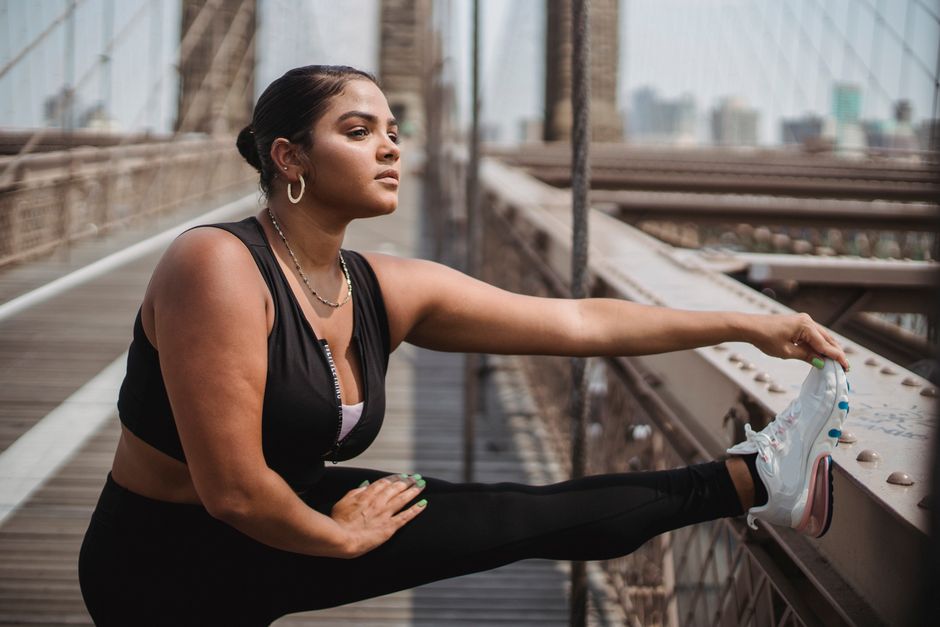
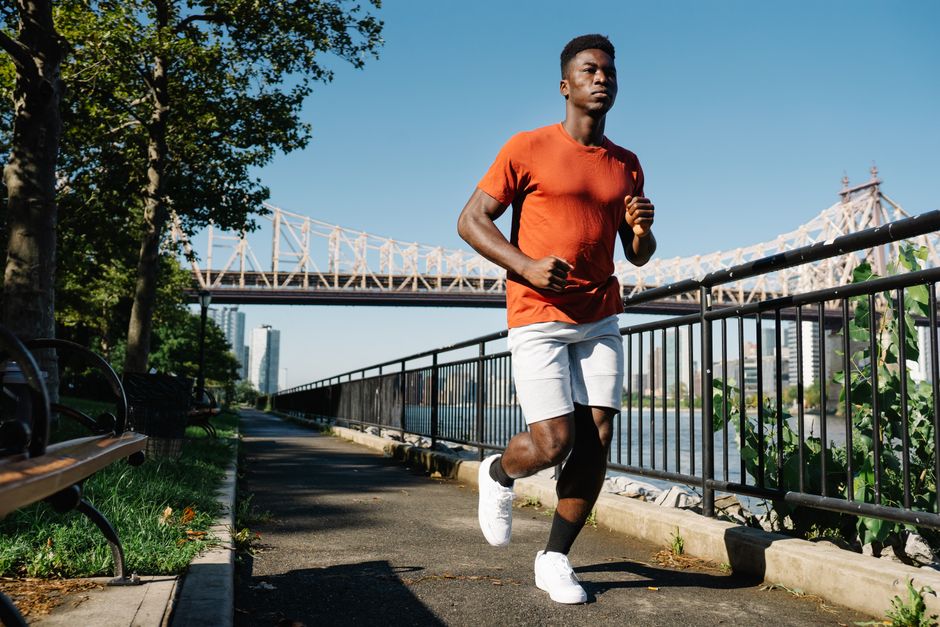
Maria Gutierrez, 67, starts her day the same way every morning: a 20-minute walk from her apartment in Washington Heights down to the newly expanded Hudson River Greenway. She's not training for anything. She's simply moved, deliberately and daily, for the past three years. "I stopped waiting for the perfect gym routine," she says. "I just walk."
Gutierrez is part of a quiet shift in how older New Yorkers approach mobility and active aging. Rather than adopting ambitious fitness programs, many are finding that the most sustainable path to staying mobile centers on one overlooked principle: small, consistent habits embedded into daily life.
The data supports this approach. Research from the Centers for Disease Control indicates that adults over 65 who engage in regular, moderate activity—even just 150 minutes weekly—significantly reduce fall risk, improve balance, and maintain independence longer. Yet the barrier isn't knowing what to do; it's sustaining what works.
That's where New York's geography becomes an unexpected asset. The city's expanding network of protected bike lanes, newly redesigned parks, and pedestrian plazas have made daily movement feel less like exercise and more like living. Senior centers across the city—from the 92nd Street Y on the Upper East Side to the Asphalt Green on the East River—now emphasize low-impact classes integrated into weekly routines rather than intensive programs.
Robert Chen, 72, discovered that his thrice-weekly tai chi sessions at Washington Square Park, which cost nothing and require no registration, transformed his stability. "It's not about achievement," he notes. "It's about showing up."
Fitness professionals working with older adults across Manhattan increasingly recommend this habit-stacking approach: pairing movement with existing routines. Walking to the grocery store in Bay Ridge instead of driving. Taking the stairs at the subway. Dancing while cooking dinner in a Prospect Heights kitchen.
The most successful seniors aren't following complicated protocols. They're leveraging New York's walkability and its rich ecosystem of free or low-cost movement opportunities—Central Park loops, waterfront paths, community center classes averaging $40 monthly. They've recognized that mobility isn't built in sprints; it's maintained in the daily rhythms of living in a walking city.
For New Yorkers over 60 seeking to stay active, the lesson is clear: forget the transformation narrative. Embrace the small, repeatable habit. The city, after all, rewards those who move through it.
This article was compiled by AI from the sources linked above and screened before publishing. See our editorial standards.
How does this story make you feel?
Spread the word
About this article
Published by The Daily New York
Daily brief
Free, in your inbox before 7am. Weekdays.
More in Wellness