Sleep Better in the City: Evidence-Based Tips That Actually Work for New York's Unique Conditions
From managing noise pollution to timing your Hudson River Park workouts, here's what science says will help you rest like a New Yorker.
From managing noise pollution to timing your Hudson River Park workouts, here's what science says will help you rest like a New Yorker.
New York's sleep challenges are distinctly urban. The ambient noise from the FDR Drive and West Side Highway, the midnight sirens, the light pollution that turns your bedroom into perpetual twilight—these aren't problems solved by generic sleep advice. Local sleep medicine experts and recent research into urban sleep patterns reveal what actually works in our specific environment.
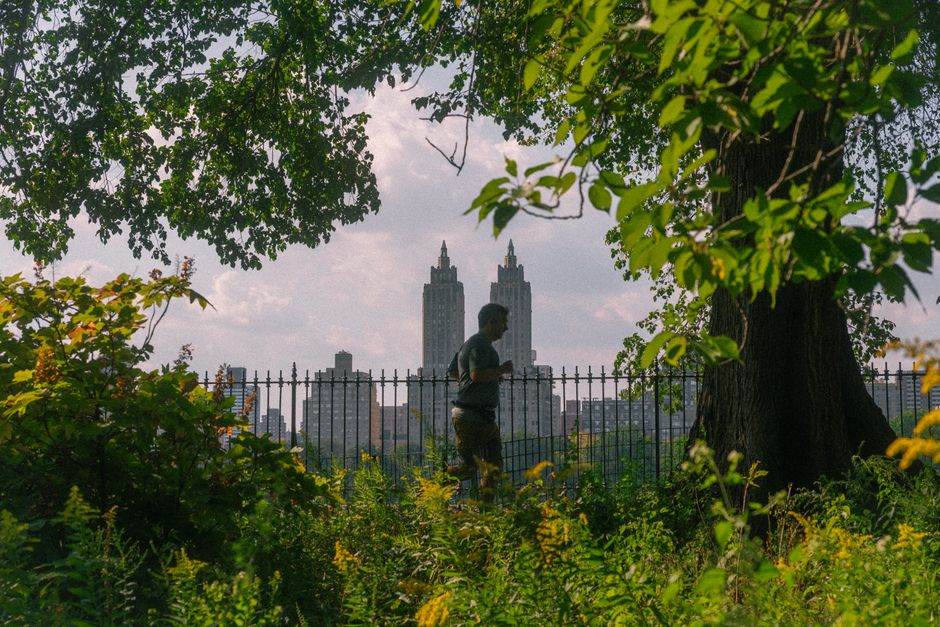
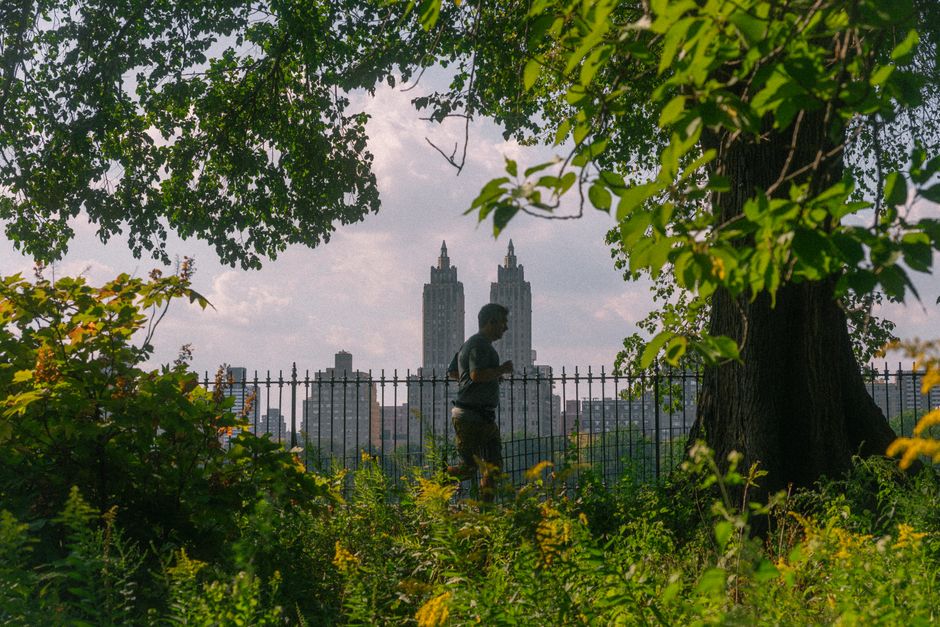
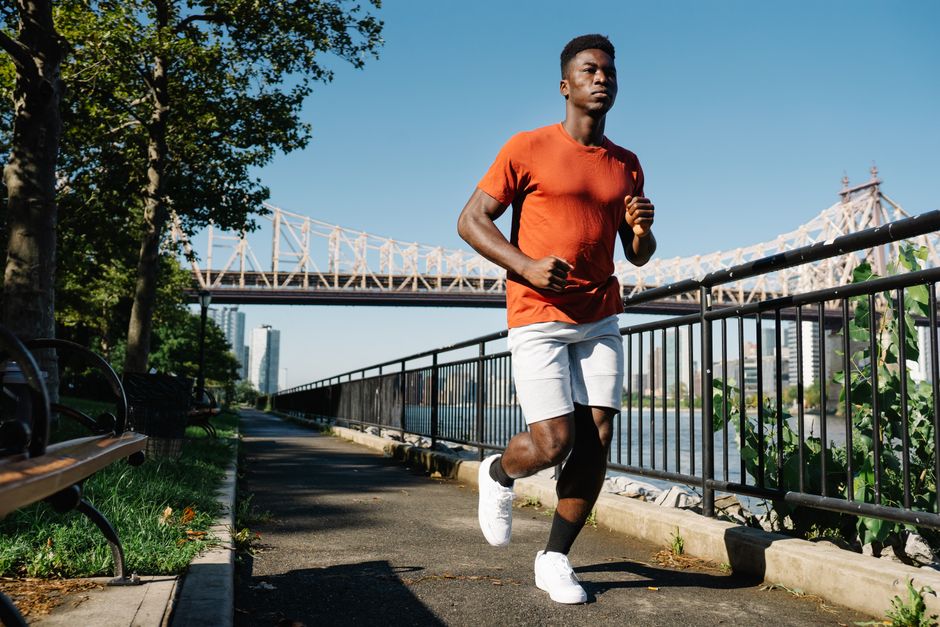
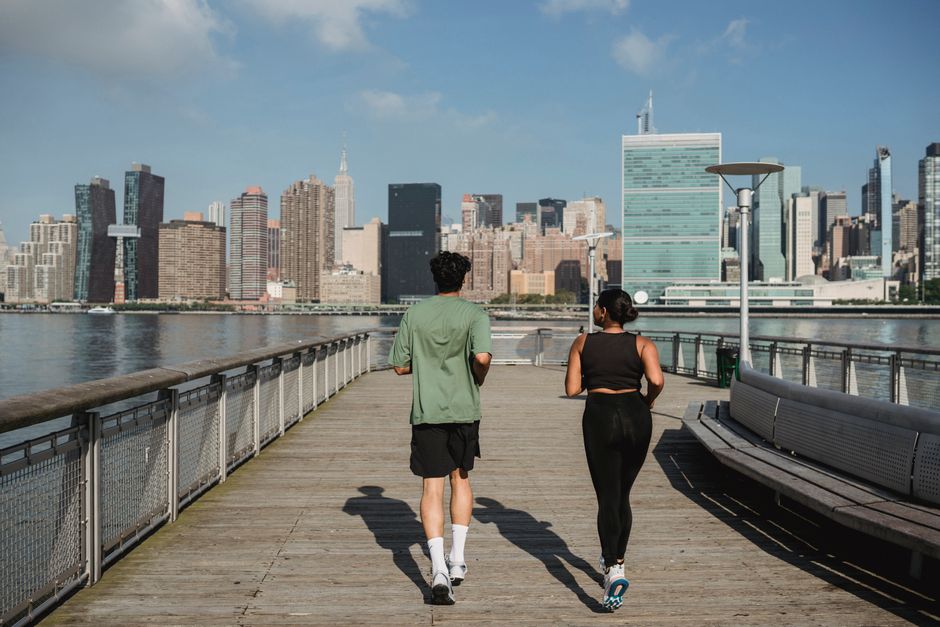
Start with timing your exercise strategically. A 2024 study published in the Journal of Clinical Sleep Medicine found that high-intensity workouts within three hours of bedtime significantly disrupted sleep onset. For New Yorkers using Central Park or Hudson River Park, this means your 6 p.m. run should be at a conversational pace, not a sprint toward the Bethesda Terrace. Morning workouts—particularly around sunrise near the East River Greenway—leverage natural light exposure to strengthen your circadian rhythm, the biological clock that drives healthy sleep.
Noise management requires more than white noise. New York's low-frequency rumble from subway lines beneath Midtown and the Upper West Side creates sleep fragmentation that standard earplugs don't fully address. Sleep scientists recommend combining noise-blocking earplugs (around $25-$40 for quality options) with white noise apps calibrated to mask subway frequencies. Some New Yorkers near major transit corridors report success with acoustic panels behind the bed—a one-time investment of $150-$300.
Temperature control matters more here than in quieter regions. During summer months, when air conditioning noise interferes with sleep quality, many sleep clinics in the Flatiron and Tribeca neighborhoods recommend setting your AC to 65-68 degrees Fahrenheit, then using a lightweight duvet. This combination reduces the constant on-off cycling of the unit itself.
Perhaps most crucial: regulate light exposure. The canyon effect of Manhattan's tall buildings delays natural sunrise through many apartments, disrupting melatonin production. Experts at New York Presbyterian and Mount Sinai Sleep Medicine recommend blackout shades (10 p.m. to 6 a.m.) paired with 15 minutes of unfiltered morning sunlight—even a walk to get coffee on the Upper East Side counts. This simple practice resets your circadian clock more effectively than any supplement.
Finally, avoid New York's sleep-killing culture of late-night productivity. Working from your bed in a studio in Astoria or Washington Heights? That's a recipe for insomnia. Your bed should be reserved for sleep and intimacy only. The Cognitive Behavioral Therapy for Insomnia (CBT-I) approach—increasingly offered through NYC telemedicine services—shows 60-70% success rates, outperforming sleep medication.
Better sleep isn't about fighting your city. It's about working with New York's specific rhythms.
This article was compiled by AI from the sources linked above and screened before publishing. See our editorial standards.
How does this story make you feel?
Spread the word
About this article
Published by The Daily New York
Daily brief
Free, in your inbox before 7am. Weekdays.
More in Wellness