Preventive Health Screenings New York: Early Detection Guide
NYC health fairs and preventive screenings catch conditions early. Learn where to get checked in your borough and why 60% of cases benefit from early detection.
NYC health fairs and preventive screenings catch conditions early. Learn where to get checked in your borough and why 60% of cases benefit from early detection.

Dr. Rachel Chen at NewYork-Presbyterian on the Upper West Side has noticed a shift in her patient population over the past eighteen months. More people in their 40s and 50s are arriving not because something feels wrong, but because something feels right—and they want to keep it that way. "Preventive medicine used to feel like a luxury," Chen says. "Now it's becoming the baseline."
That transformation reflects a broader trend across New York's five boroughs. The city's health department estimates that routine screenings for conditions like hypertension, Type 2 diabetes, and high cholesterol catch problems early enough to prevent major intervention in roughly 60 percent of cases. Yet access remains uneven. A 35-year-old office worker in Tribeca might have annual bloodwork through her employer's comprehensive plan. A freelancer in Astoria might go years without baseline testing.
Community organizations are filling gaps that systemic healthcare often leaves behind. The Callen-Lorde Community Health Center in Chelsea offers sliding-scale preventive screenings, including lipid panels and glucose testing, for $25 to $75—a fraction of private lab costs. Mobile health clinics run by NYC Health + Hospitals visit neighborhoods from Sunset Park to the South Bronx, offering free blood pressure checks and diabetes risk assessments.
The data supports the case. New Yorkers who undergo regular screening for cardiovascular disease, according to Mount Sinai's preventive medicine department, reduce their lifetime risk of major cardiac events by up to 35 percent when they act on findings early. Similarly, adults screened for colorectal cancer between ages 45 and 75 see mortality rates drop by half compared to unscreened populations.
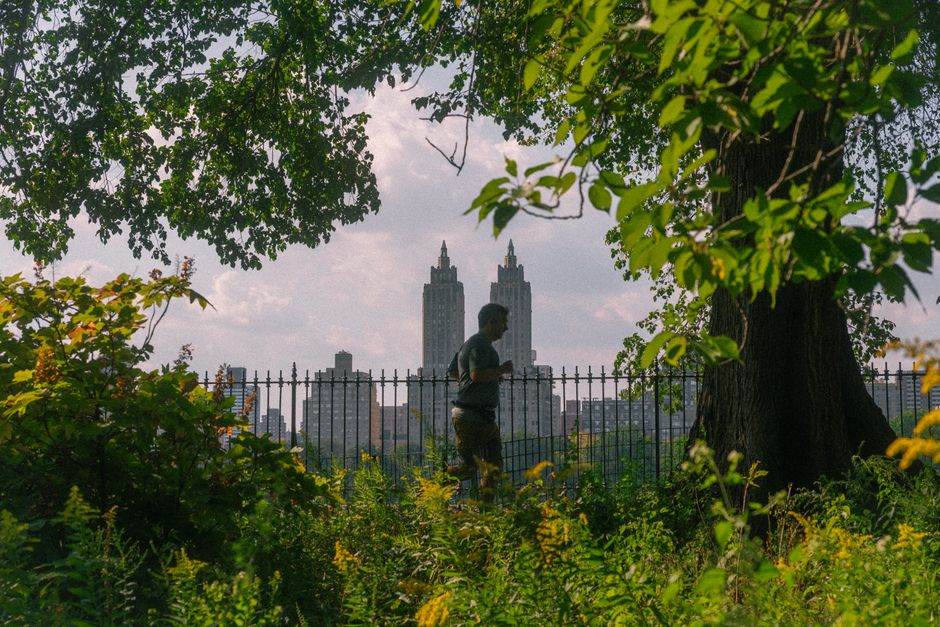
Cost remains a barrier. A comprehensive wellness panel at a private Manhattan practice runs $300 to $500. Insurance coverage varies wildly. Yet for those who do engage, the payoff extends beyond mortality statistics. Primary care physicians across the city report that patients who know their baseline numbers—cholesterol levels, blood sugar, blood pressure—make different choices at the bodega near Grand Central, on the running trails around the Central Park Reservoir, and in the spin studios that dot every neighborhood from Park Slope to the Upper East Side.
"People ask me all the time about the latest supplement or workout trend," says Dr. James Morrison at the Visiting Nurse Service of New York. "But what moves the needle is knowing where you actually stand. That knowledge is powerful."
For preventive screenings in your neighborhood, contact your primary care physician, NYC Health + Hospitals (212-788-4911), or visit nychealthandhospitals.org.
This article was compiled by AI from the sources linked above and screened before publishing. See our editorial standards.
How does this story make you feel?
Spread the word
About this article
Published by The Daily New York
Daily brief
Free, in your inbox before 7am. Weekdays.
More in Wellness