wellness
Walking meditation: how to turn your daily walk into mindfulness
With New Yorkers spending more time on the pavement than ever, a simple shift in attention can turn a commute into a mental reset.
How we reported this
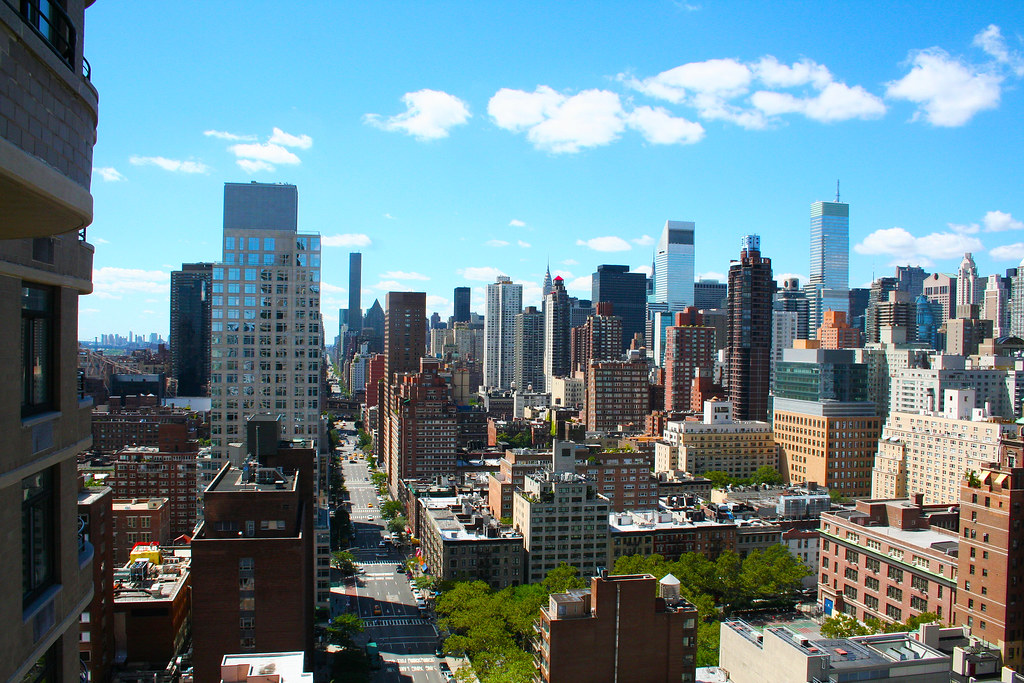
On any given weekday, more than 1.6 million people walk through Midtown Manhattan’s busiest intersections, according to the New York City Department of Transportation’s 2025 pedestrian count. Most are staring at phones, dodging delivery bikes, mentally rehearsing a work email. But a growing number are doing something else: practicing walking meditation, without any special shoes or apps.
The practice, known formally as kinhin in Zen traditions and adapted for secular use by mindfulness programs at institutions like the Tisch Center at NYU Langone, has gained traction in the city as a practical alternative to sitting meditation. A 2025 study published in the Journal of Clinical Psychology found that participants who practiced 20 minutes of walking meditation three times a week reported a 34 percent reduction in self-reported stress levels after eight weeks-roughly comparable to effects from seated practice.
Where New Yorkers are walking with intention
The city’s built environment is uniquely suited to moving meditation. The Central Park Conservancy reported in its 2025 annual impact statement that 42 million visits were made to the park that year, many along the 6.1-mile loop road that joggers and walkers share between dawn and dusk. In Brooklyn, the three-mile path along the waterfront at Brooklyn Bridge Park draws an estimated 5,000 daily walkers, many taking advantage of the designated “quiet zone” near Pier 6, where the park asks that visitors refrain from loud music or phone calls.
The MTA has also gotten involved. Since 2024, the agency has posted “Mind the Breath” signs on select subway-to-stairwell routes at the 42nd Street-Times Square and Atlantic Avenue-Barclays Center stations, encouraging commuters to take three conscious breaths while walking up the stairs. The pilot, part of a broader partnership with the nonprofit Mindful NYC, now covers 14 stations.
A growing body of evidence supports the city’s shift. A 2024 meta-analysis in the journal Mindfulness, reviewing 27 studies worldwide, found that walking meditation significantly improved mood and attention control, with effect sizes comparable to moderate aerobic exercise. The analysis noted that participants in urban settings-including a 2023 study conducted on the High Line-showed similar benefits to those walking in nature, provided they directed their attention away from screens and toward bodily sensations.
How to do it on your next walk
The simplest entry point is a technique used at the Open Center on Spring Street: pick a 10-minute segment of your usual route, put your phone in your pocket, and focus on the sensation of your feet hitting the ground. Notice the heel strike, the roll through the arch, the push-off. When your mind wanders-and it will-gently bring it back to the feet.
Instructors at the MNDFL studio on Broadway in NoHo recommend starting with a single block at a time. “Walk one block without checking your phone,” the studio’s suggested practice reads. “Feel the air on your skin. Hear the sounds without labeling them good or bad.” They note that regular practitioners often report noticing things they’d missed for years, like the scent of baking bread from a particular bodega on East 12th Street.
For those who want a structured class, the Brooklyn Zen Center in Park Slope offers a free walking meditation session every Saturday at 8 a.m., rain or shine, meeting outside the library at 222 Fifth Avenue. The group walks slowly through the neighborhood for about 30 minutes, then sits for 15. Attendance has doubled since 2023, according to the center’s program coordinator.
Health officials caution that walking meditation is not a substitute for medical treatment for anxiety or depression. Dr. Sarah Levin of the New York State Office of Mental Health told The Daily New York in a statement that while mindfulness practices show promise, individuals with clinical conditions should consult a healthcare provider before relying on any single technique.
Still, for the millions of New Yorkers who walk every day, the opportunity is free, accessible, and doesn’t require a mat. The next time you cross from 59th Street into the park, slow down slightly. Feel the pavement. Breathe. That’s it.