New Yorkers Sleep Worse: Three Proven Solutions From Local Experts
Rising reports of fragmented rest in the city point to daily routines and environment as key drivers, with practical steps emerging from local health networks.
Rising reports of fragmented rest in the city point to daily routines and environment as key drivers, with practical steps emerging from local health networks.
More than 42 percent of adults in Manhattan and Brooklyn reported sleeping fewer than six hours on most nights in a 2025 city health department survey released this spring.
The trend has accelerated since 2023 as hybrid work schedules stretch into evenings and constant construction noise along major corridors keeps residents alert past midnight. Public health officials at the New York City Department of Health note that the same group also logs higher rates of afternoon caffeine intake and late-night screen use compared with pre-pandemic baselines.
Central Park running groups that meet at 5:30 a.m. on the Reservoir loop and evening yoga sessions at Hudson River Park’s Pier 66 both draw thousands of participants each week, yet many attendees describe racing from those workouts straight into work emails or family obligations that push bedtime past 1 a.m.
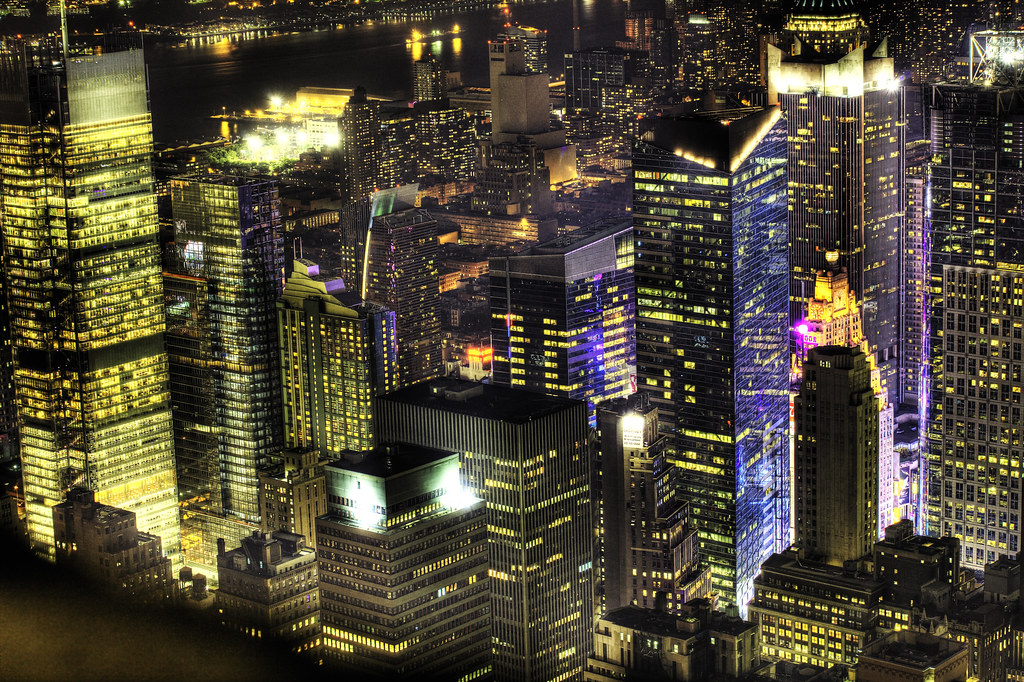
Protected bike lanes added along Eighth Avenue in 2024 and Second Avenue in 2025 have increased commuting options, but riders often finish rides after 10 p.m. when traffic finally thins. Light spill from high-rise offices in Midtown and the constant hum of HVAC units on rooftops compound the problem for residents in walk-ups and converted lofts. A Mount Sinai sleep center study completed in March tracked 180 patients living within three blocks of active construction sites and found average sleep efficiency dropped to 71 percent on work nights.
Local data also tie the decline to boutique fitness schedules that pack classes back-to-back from 6 a.m. to 9 p.m. at studios clustered around Union Square and the West Village. Participants frequently report elevated evening cortisol levels that delay melatonin onset by 45 to 90 minutes.
Clinicians at NYU Langone’s sleep disorders program recommend anchoring bedtime to the same 30-minute window every night, even after late runs along the Hudson River Greenway. They suggest swapping the final espresso at 3 p.m. for an herbal option and using blackout shades rated for 99 percent light blockage, now available at hardware stores on Atlantic Avenue for under $40 per window. A pilot workshop series launched last month at the 14th Street Y teaches participants a 10-minute wind-down sequence of progressive muscle relaxation that can be done on a subway ride home.
City residents who adopted consistent cutoff times for screens and joined one lower-intensity Central Park walking group instead of daily high-intensity sessions reported an average 42-minute increase in total sleep time within four weeks, according to follow-up data collected in June. Those changes require no new equipment beyond an alarm set for the same hour each morning and a commitment to dim household lights after 9 p.m.
How does this story make you feel?
Spread the word
About this article
Published by The Daily New York
Daily brief
Free, in your inbox before 7am. Weekdays.
More in Wellness