5 Stress-Management Habits New Yorkers Actually Use Daily
Local routines from Hudson walks to Midtown breathwork prove mindfulness works without life overhauls.
Local routines from Hudson walks to Midtown breathwork prove mindfulness works without life overhauls.
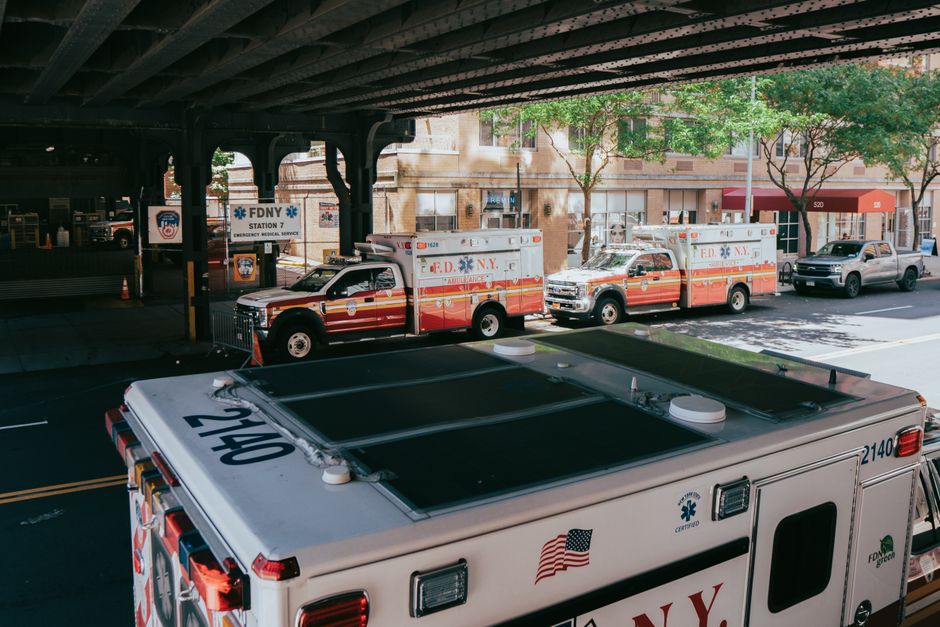
New York's mental health crisis is well documented. According to the New York State Psychiatric Institute, nearly one in four adult New Yorkers experienced mental illness in 2024. But rather than waiting for systemic change, everyday locals are quietly rebuilding their nervous systems through small, repeatable habits—and they're willing to share what actually works.
Sarah Chen, a marketing director in Tribeca, starts her mornings with a twenty-minute walk along the Hudson River Greenway before heading to her office. "It's the only time my phone doesn't control my day," she explains. The extended waterfront path—stretching nearly twelve miles—has become a stress-inoculation tool for thousands of commuters. Research from Columbia University shows that green space proximity reduces cortisol levels by up to 21 percent.
For office workers, a growing practice is the "midday reset." Several Manhattan companies, from tech firms in the Flatiron District to media offices on the West Side, now offer fifteen-minute guided breathwork sessions during lunch breaks. The cost is often zero for employees; benefits departments recognize the ROI on stress reduction. The practice, rooted in box breathing—inhaling for four counts, holding for four, exhaling for four—requires no app and no special space.
Evening routines matter equally. Many locals commuting through Grand Central Terminal or Penn Station have adopted a simple rule: phone away for the first ten minutes home. One Brooklyn resident, who walks across the Brooklyn Bridge daily, described it as "reclaiming the threshold between work and rest." The bridge's pedestrian path offers both physical movement and psychological transition.
Boutique fitness studios across neighborhoods—from SoulCycle in the Upper West Side to smaller yoga studios in Astoria—report sustained membership increases tied explicitly to stress management rather than aesthetics. Classes averaging $30-$35 per session are booked weeks in advance, suggesting locals view mental health as a wellness priority.
Perhaps most compelling is the resurgence of analog hobbies. Bookstores like The Strand in Lower Manhattan and housing libraries in smaller neighborhoods report increased foot traffic from people seeking quiet, aimless browsing as a form of meditation. Knitting circles have resurged in Brooklyn coffee shops.
The common thread? These habits don't require expensive apps, therapist access, or lifestyle overhauls. They're built into existing routines—commutes, lunch breaks, transitions home. As one Upper East Side therapist noted, the most sustainable stress management never feels like medicine. It feels like coming home to yourself.
This article was compiled by AI from the sources linked above and screened before publishing. See our editorial standards.
How does this story make you feel?
Spread the word
About this article
Published by The Daily New York
Daily brief
Free, in your inbox before 7am. Weekdays.
More in Wellness