New York Runners Outpace Global Wellness Trends
As outdoor running gains momentum worldwide, New York's park-based fitness scene is quietly leading adoption rates—charting its own course.
As outdoor running gains momentum worldwide, New York's park-based fitness scene is quietly leading adoption rates—charting its own course.
When the Global Wellness Institute released its 2025 report on outdoor activity trends, one statistic stood out: participation in trail running and park-based fitness has surged 34 percent globally since 2022. In New York City, that number sits closer to 52 percent, according to data from local running clubs and fitness tracking apps. The difference? New York runners aren't chasing Instagram-worthy summits or joining the ultramarathon craze sweeping Instagram. They're doing something quieter, more pragmatic, and distinctly metropolitan.
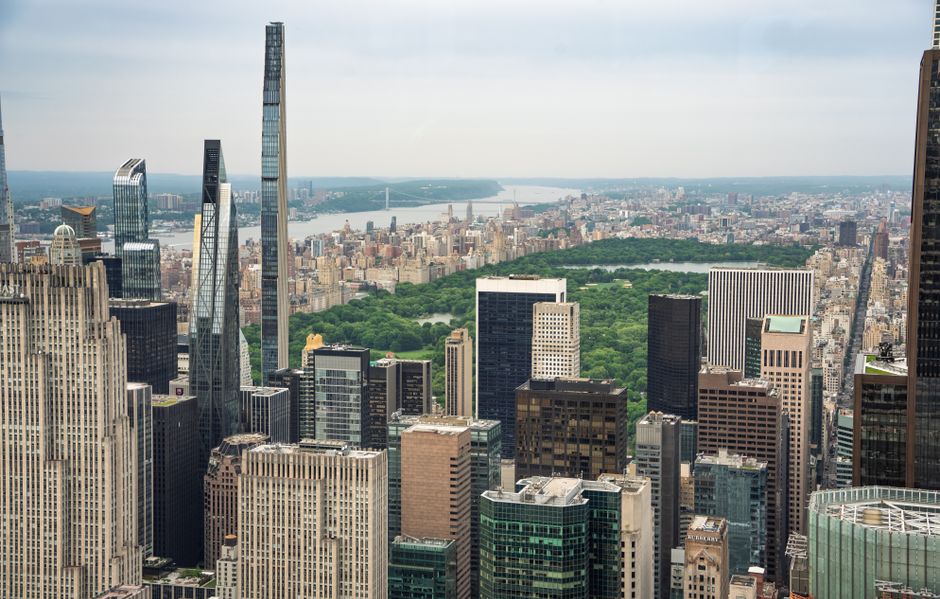
Central Park remains the gravitational center of this movement. The 843-acre park logs an estimated 40 million visits annually, with running accounting for roughly 18 percent of that foot traffic. But the real shift has been the diversification of routes. The Hudson River Greenway, stretching 32 miles from Battery Park to the George Washington Bridge, has emerged as the city's primary long-distance corridor, hosting everything from morning commuter joggers to organized running clubs. Meanwhile, protected bike lane expansions along the East River have created new multi-use pathways that blur the lines between cycling and trail running culture.
What distinguishes New York's uptake from global trends is intentionality. While wellness tourism in Sedona, Colorado, and New Zealand focuses on escape and immersion, New York runners are integrating fitness into existing urban rhythms. The Prospect Park Track Club, founded in 2019, now has over 3,200 active members. Similar organizations like Harlem Run and Run With Us have built community-centered models that prioritize accessibility over exclusivity—group runs typically cost between $8 and $15 per session, significantly cheaper than boutique fitness studios charging $35 to $45 per class.
The infrastructure tells another story. Cities like Copenhagen and Amsterdam have long prioritized runner-friendly streets. New York is catching up. The Department of Transportation's expansion of protected bike lanes to neighborhoods like Astoria, Sunset Park, and the South Bronx has inadvertently created safer running corridors in historically underserved areas. Community gardens and pocket parks are being retrofitted with water stations and running maps—a small but meaningful nod to democratizing wellness access.
Yet challenges persist. Heat resilience remains critical in a warming city; running in July and August increasingly requires dawn-start discipline. Air quality alerts issued on roughly 15 days per summer month force runners to choose between treadmills and indoor pools at facilities like Chelsea Piers or the YMCA.
New York's running trend, then, reflects a broader shift in global wellness culture: away from performative fitness toward sustainable, community-embedded movement. The city isn't importing trends wholesale. It's building them from the pavement up.
This article was compiled by AI from the sources linked above and screened before publishing. See our editorial standards.
How does this story make you feel?
Spread the word
About this article
Published by The Daily New York
Daily brief
Free, in your inbox before 7am. Weekdays.
More in Wellness