New York's Job Market Shifts: What Businesses Need to Know Right Now
As tech layoffs slow and consumer-facing industries heat up, employers across the city are recalibrating hiring strategies for the second half of 2026.
As tech layoffs slow and consumer-facing industries heat up, employers across the city are recalibrating hiring strategies for the second half of 2026.
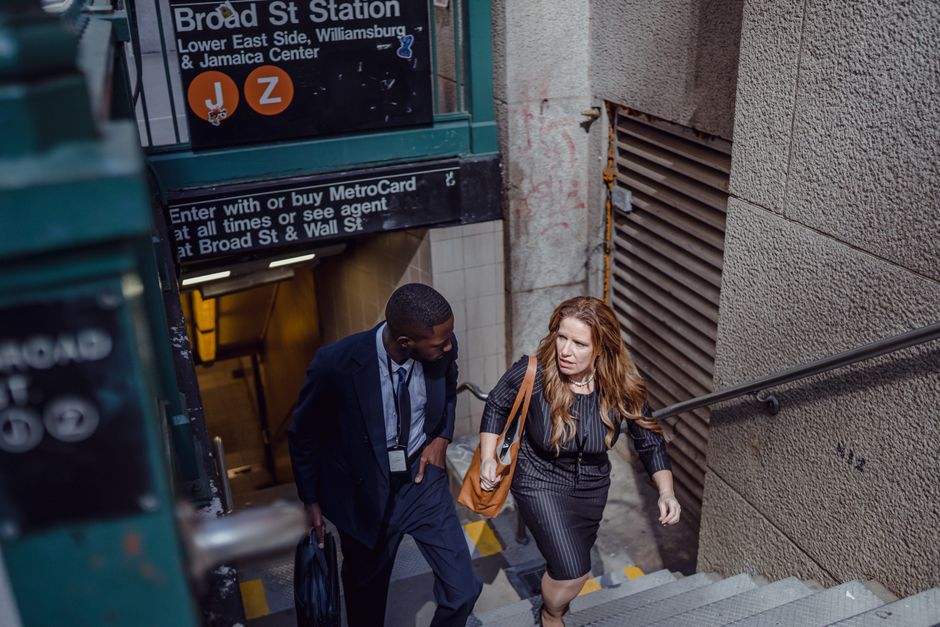
New York's employment landscape is undergoing a notable recalibration. After eighteen months of tech-sector retrenchment that saw companies from Midtown to Brooklyn shed thousands of roles, the hiring tempo is shifting—and business leaders need to understand where opportunity and risk intersect.
The data tells a revealing story. According to the latest Bureau of Labor Statistics figures, New York City's unemployment rate has stabilized at 4.2 percent, down from the 5.1 percent peak last winter. But that overall figure masks significant sectoral divergence. Tech and finance—long the city's twin engines—are hiring selectively rather than aggressively. Meanwhile, hospitality, healthcare, and logistics are absorbing workers faster than anticipated.
"We're seeing genuine talent mobility," explains employment specialists tracking patterns across Manhattan's traditional financial district and the growing tech hubs in Long Island City and Williamsburg. Companies in those neighborhoods report that candidates once locked into six-figure tech roles are exploring adjacent industries, creating unexpected supply in product management, data analysis, and operational roles across healthcare networks and major e-commerce operations.
This shift has profound implications for wage pressures. Hospitality venues along the High Line, in Chelsea, and throughout the Financial District are offering signing bonuses—some reaching $3,000 for experienced managers—to compete for talent that might previously have dismissed those positions. Entry-level positions in these sectors now command $18 to $22 hourly, up nearly 15 percent year-over-year.
Real estate and construction present another story entirely. With office conversion projects underway across Lower Manhattan and the outer boroughs, demand for skilled trades is exceeding supply. Electricians, HVAC technicians, and project managers report multiple competing offers and scheduling backlogs extending into 2027.
For business leaders headquartered or operating in New York, the implications are clear: traditional talent acquisition channels are fragmenting. Generic job postings fail to attract candidates who now have genuine leverage. Companies competing effectively are investing in employer branding, flexible scheduling, and professional development offerings rather than relying solely on compensation.
Additionally, remote-work policies are becoming a decisive factor. Companies offering full flexibility report faster hiring cycles; those maintaining strict office requirements face longer vacancy periods, particularly for roles below director level.
The deeper trend: New York's job market has moved decisively away from the binary tech-versus-finance framework that dominated for a decade. Businesses that recognize this diversification, adapt recruitment messaging accordingly, and compete on factors beyond salary will navigate the remainder of 2026 most effectively.
This article was compiled by AI from the sources linked above and screened before publishing. See our editorial standards.
How does this story make you feel?
Spread the word
About this article
Published by The Daily New York
Daily brief
Free, in your inbox before 7am. Weekdays.
More in Business