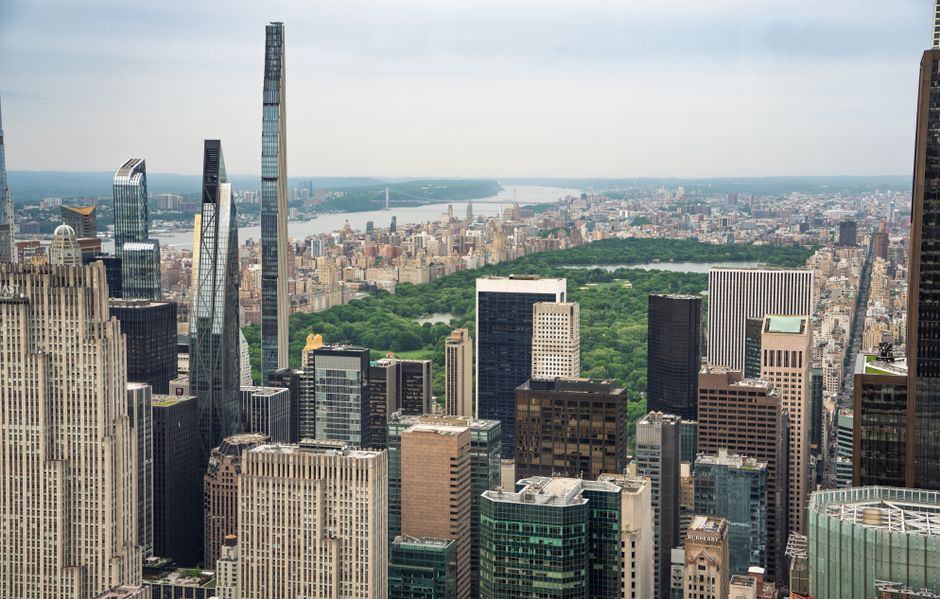
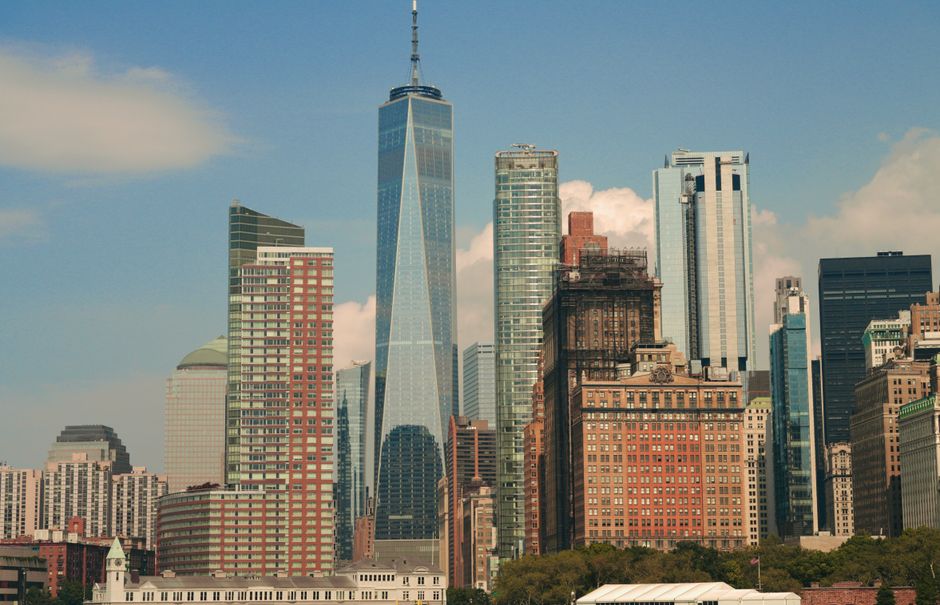
New York's tourism machine has weathered plenty of storms, but the current tangle of geopolitical tensions is creating an unusual puzzle for hospitality operators: affluent international travelers are still coming, but they're arriving in smaller groups, staying shorter, and splurging more strategically than pre-pandemic patterns suggest.
The Manhattan Hotel Association reported that June bookings came in 3.2 percent below projections, with cancellations from South American travelers particularly pronounced—a direct correlation to recent Venezuelan events that rippled through regional confidence. Meanwhile, Middle Eastern visitor numbers remain elevated despite headlines around Iran-U.S. tensions, though travel agents report clients are booking closer to departure dates, signaling anxiety about rapid policy shifts.
"What we're seeing is bifurcation," explained one senior executive at a major Midtown hotel group, speaking on condition of anonymity due to company policy. The ultra-luxury segment—Peninsula, Four Seasons, Plaza—continues performing well, with rates holding steady above $500 nightly. Budget and mid-market properties along Eighth Avenue and in Long Island City are feeling sharper pressure, with some reporting occupancy dips of 5-8 percent year-over-year.
The implications cascade through the broader economy. Restaurant reservation platforms show fewer walk-ins but longer average party sizes when bookings do materialize—suggesting group travel is more resilient than individual leisure trips. High-end establishments in Tribeca and the Meatpacking District report strong performance, while casual dining chains in tourist-heavy zones near Bryant Park and Times Square Square are running thinner margins.
Attractions are adapting tactically. The Museum of Modern Art and the American Museum of Natural History have extended evening hours to capture business-travelers-turned-culture-seekers, while Brooklyn Bridge Park's summer programming has shifted toward premium experiences—sunset yoga sessions at $35 per person, curated food markets—rather than relying on volume.
What's critical for operators: the International Air Transport Association projects that global leisure travel will remain below 2019 baselines through at least September, making yield management increasingly important. Hotels are deploying sophisticated pricing algorithms to capture high-value day-trippers and conference attendees while managing inventory in weaker segments.
The window for course correction is narrow. Summer represents roughly 30 percent of New York's annual tourism revenue. Businesses that fail to recalibrate their customer acquisition costs and service models now may find themselves unprepared for what could be a choppy autumn travel season shaped by forces far beyond Fifth Avenue.
This article was compiled by AI from the sources linked above and screened before publishing. See our editorial standards.