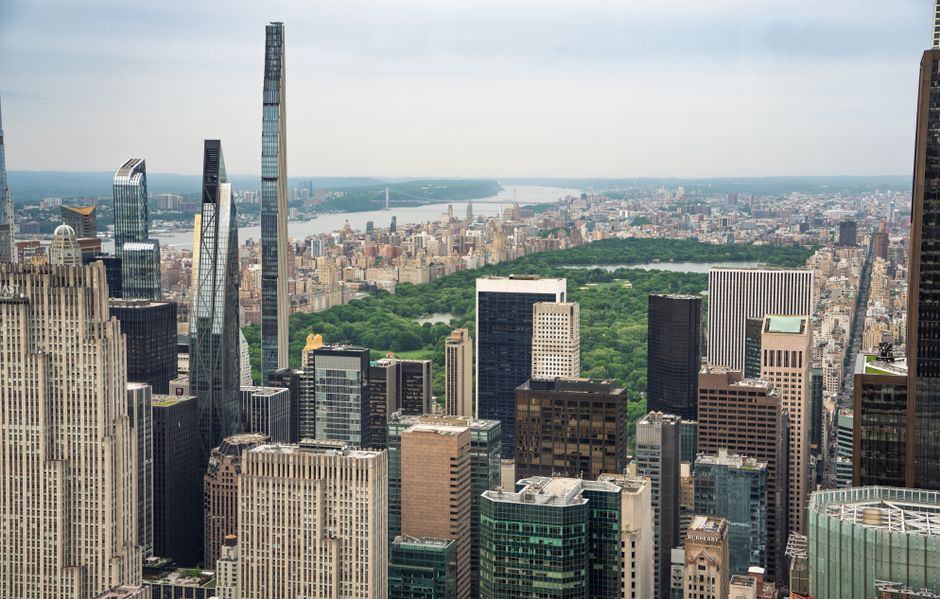
Manhattan's financial district is confronting a perfect storm of challenges in 2026. The combination of persistent inflation, geopolitical tensions, and shifting workforce dynamics is forcing New York's investment firms and financial institutions to recalibrate their strategies—and their bottom lines.
Real estate costs remain the most visible pressure point. A junior analyst at a major investment bank now requires a salary north of $250,000 annually just to afford a modest one-bedroom apartment in neighborhoods like Murray Hill or Astoria, where rents have climbed past $4,500 per month. Senior partners based in Midtown are increasingly questioning whether their physical footprint makes economic sense, particularly as remote work arrangements have become entrenched. Office vacancy rates in the Financial District have hovered near 15 percent, forcing landlords along Broad Street and Pine Street to renegotiate terms aggressively.
Beyond real estate, the investment landscape itself has grown treacherous. Geopolitical instability—from Middle East tensions potentially affecting oil markets to ongoing instability in Venezuela and broader emerging-market volatility—has made portfolio construction a minefield. Major New York-based hedge funds have reported that traditional diversification strategies no longer provide adequate hedging. Currency fluctuations alone have created unexpected drains on returns, with several prominent firms reporting mid-year adjustments to their allocation models.
The talent exodus adds another layer of complexity. Fintech companies in Austin, Miami, and emerging hubs like Wilmington, Delaware are aggressively recruiting New York professionals with lower cost-of-living incentives and flexible arrangements. The Conference Board's recent analysis showed that roughly 18 percent of finance professionals in the tristate area are actively exploring relocation, the highest figure in a decade.
Meanwhile, client demands have intensified. Institutional investors and high-net-worth individuals are scrutinizing fees more closely than ever, particularly as market returns compress. The traditional 2-and-20 fee structure has become nearly untenable for smaller asset managers, forcing consolidation among boutique firms that once thrived in neighborhoods like SoHo and the Upper West Side.
Some firms are adapting by embracing operational efficiencies and automation. Others are doubling down on niche strategies where New York's information advantage—proximity to corporate headquarters, trading floors, and industry networks—remains defensible. But the consensus among industry watchers is clear: 2026 marks a reckoning year for New York's finance sector, one where size and diversification no longer automatically insulate firms from headwinds bearing down from every direction.
This article was compiled by AI from the sources linked above and screened before publishing. See our editorial standards.