Why the New York Office Slump Should Matter to Your Rent and Your Commute
As Manhattan's commercial real estate market shifts, everyday New Yorkers will feel the ripple effects—from neighborhood foot traffic to subway crowding patterns.
As Manhattan's commercial real estate market shifts, everyday New Yorkers will feel the ripple effects—from neighborhood foot traffic to subway crowding patterns.
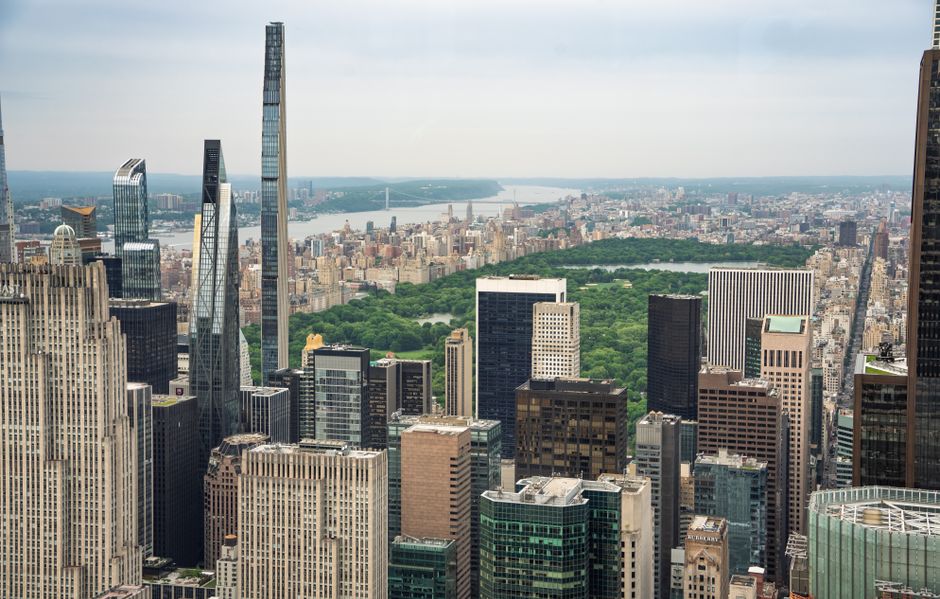
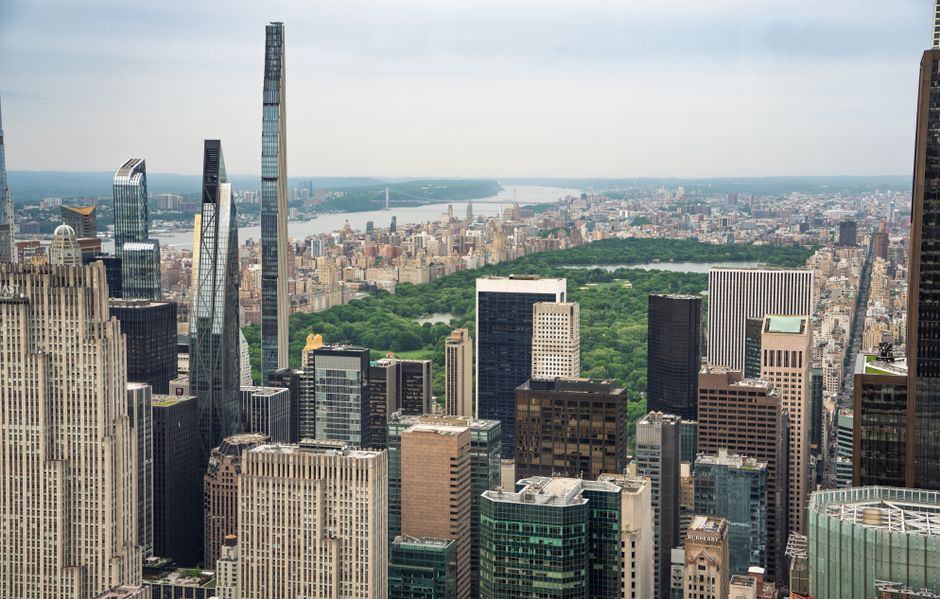
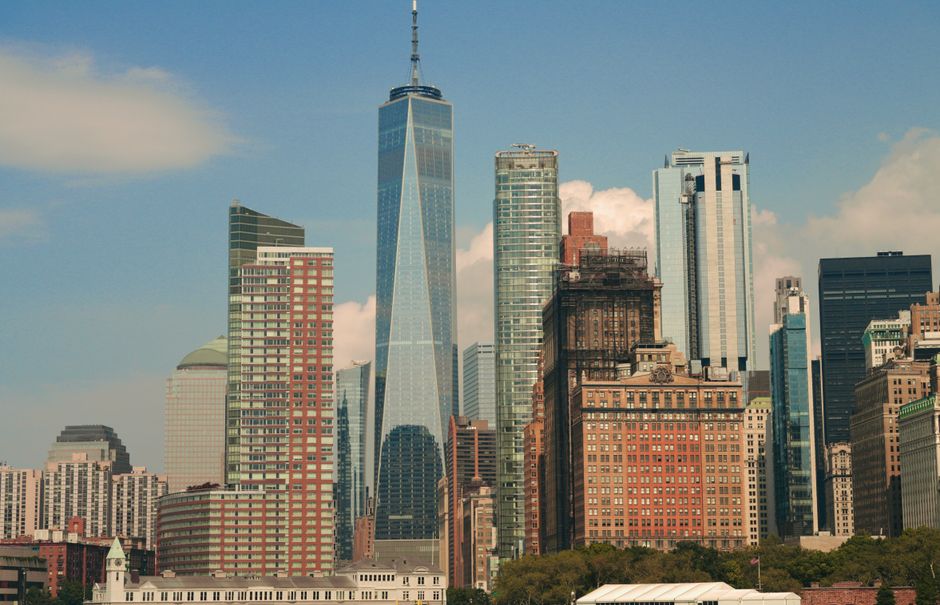
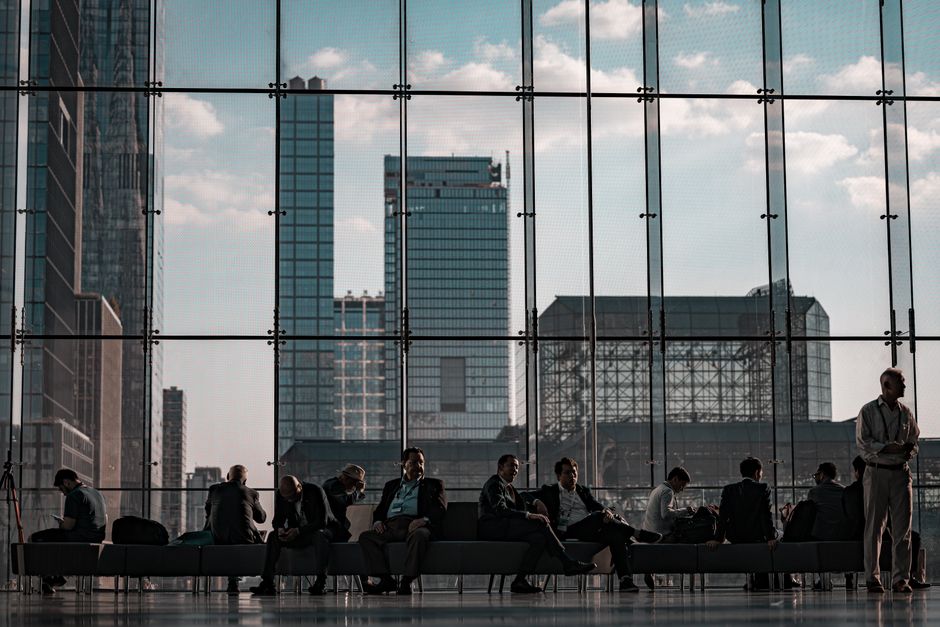
The empty glass towers rising above Midtown Manhattan tell a story that extends far beyond quarterly earnings reports. With office vacancy rates hovering near 20 percent across the city—the highest in three decades—the commercial real estate downturn is reshaping how New Yorkers live, work, and navigate their neighborhoods in ways they may not immediately recognize.
For residents across the five boroughs, the implications are tangible. When office buildings sit half-empty, the commercial corridors around them suffer. Restaurants and coffee shops that thrived on lunchtime foot traffic along Park Avenue and in the Financial District have shuttered at record rates. The bodega on your corner may see different customer patterns as fewer workers commute downtown. Even your subway experience could shift as rush hour crowds redistribute across the system.
Real estate fundamentals underscore the scale of change. Average asking rents for Class A office space in Midtown Manhattan have fallen to $65 to $75 per square foot annually—a significant drop from pre-pandemic highs. Landlords increasingly offer concessions: free rent for months, upgraded amenities, or flexible lease terms. These aren't abstract numbers; they affect which neighborhoods attract corporate relocations and which see decline.
The residential market feels the tremor most acutely in neighborhoods with heavy office dependency. Brooklyn's DUMBO district, once a draw for creative workers streaming into Manhattan, has experienced rental softening as tech companies consolidate spaces and reduce headcount. Meanwhile, transit-adjacent neighborhoods like Long Island City—where Amazon's failed HQ2 deal left scars—continue adjusting expectations about what commercial development means for local living costs.
But there's a counterintuitive possibility for some New Yorkers: adaptive reuse. As office buildings lose tenants, developers increasingly convert them to residential or mixed-use spaces. This could theoretically increase housing supply in tight markets—though new rents typically target affluent renters rather than addressing affordability crises.
The deeper lesson for everyday residents: commercial real estate isn't some distant Wall Street concern. When major landlords like Paramount Group or SL Green report mounting losses, when Class B and C office buildings become liabilities rather than assets, the consequences ripple through retail strips, transit patterns, and neighborhood vitality. Understanding these trends helps New Yorkers anticipate which neighborhoods may revitalize or decline, where their favorite spots might disappear, and how municipal services might be strained as tax bases fluctuate.
The office market's adjustment will likely continue through 2027, reshaping the city's economic geography in ways both visible and invisible to those living through it.
This article was compiled by AI from the sources linked above and screened before publishing. See our editorial standards.
How does this story make you feel?
Spread the word
About this article
Published by The Daily New York
Daily brief
Free, in your inbox before 7am. Weekdays.
More in Business