What New Yorkers Actually Need to Know About the Office Real Estate Reckoning
From rising rents to vanishing retail, the transformation of Manhattan's commercial landscape is reshaping your neighborhood—and your wallet.
From rising rents to vanishing retail, the transformation of Manhattan's commercial landscape is reshaping your neighborhood—and your wallet.
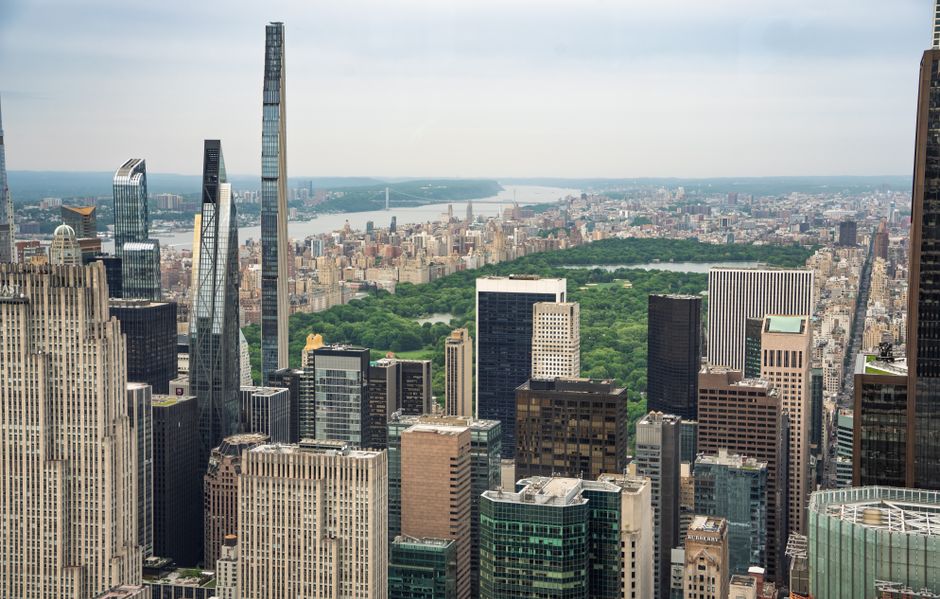
The office market's seismic shift isn't just a headline for real estate traders anymore. It's reshaping the streets where New Yorkers live, work, and spend money—and understanding the trend matters for your rent, your commute, and the vibrancy of your neighborhood.
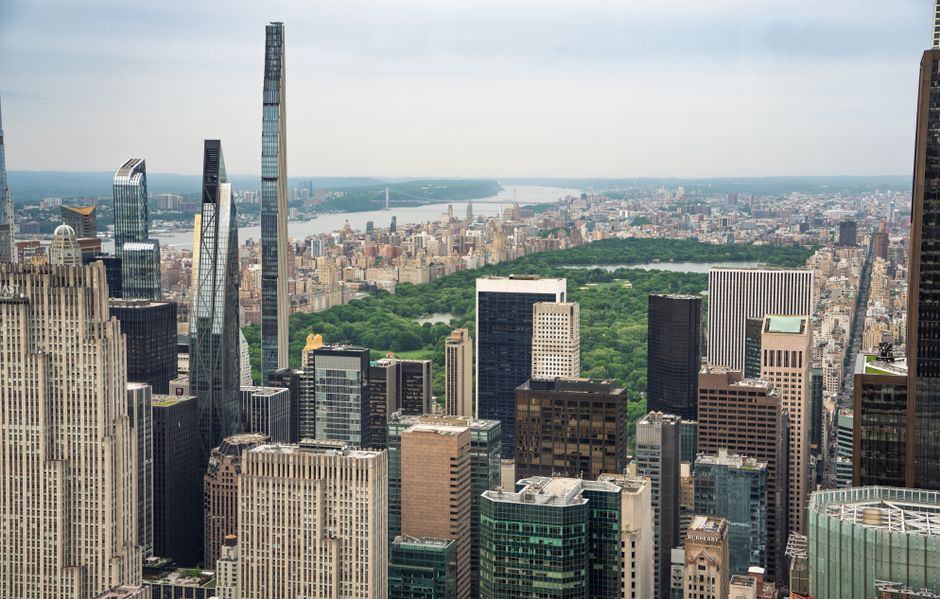
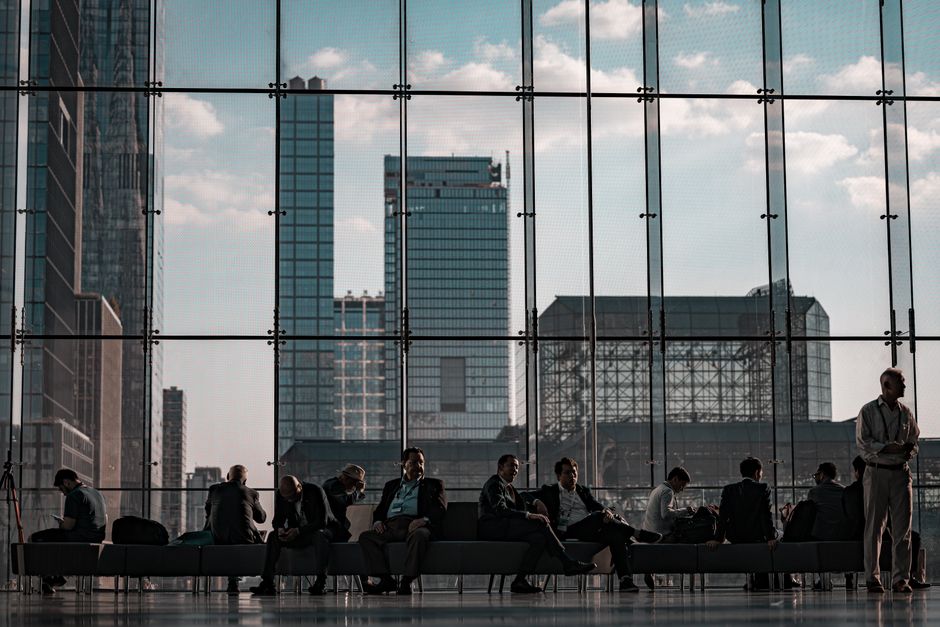
The numbers tell a stark story. Manhattan's office vacancy rate has hovered near 20 percent in 2026, the highest in decades. Class A office space in Midtown commands roughly $65-$75 per square foot annually—down from peaks exceeding $90 just five years ago. Major employers continue reducing headcount or shifting to hybrid models, meaning fewer workers streaming into Penn Station or Grand Central Terminal each morning.
For residents, this translates to tangible consequences. The coffee shops, sandwich spots, and lunch-hour retailers that thrived on weekday foot traffic are struggling. Walk along Fifth Avenue or through the Financial District on a Wednesday afternoon, and the emptiness is palpable. This affects not just the businesses themselves but the tax base that funds schools, transit, and services across the five boroughs.
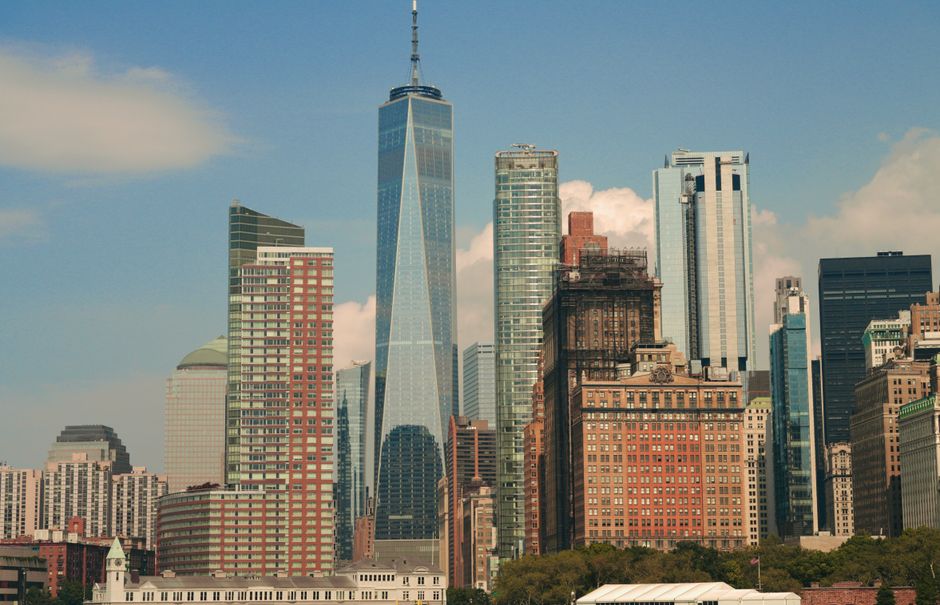
The pressure is forcing landlords to convert office buildings into residential apartments—a silver lining of sorts. Several towers in Midtown and Lower Manhattan are undergoing conversion, potentially easing the city's chronic housing shortage. Yet these projects move slowly, and conversion economics remain challenging without substantial tax incentives.
Meanwhile, neighborhoods outside traditional office corridors are experiencing different pressures. Brooklyn's emerging office markets in DUMBO and Williamsburg are attracting smaller firms and tech companies seeking alternatives to Midtown rents. This migration is driving up commercial property values—and consequently rents—in areas where residential and commercial space compete.
For everyday New Yorkers, vigilance matters. If you're signing a new lease, watch whether your building is likely to undergo conversion; temporary construction could affect quality of life. If you own a small business, commercial rent fluctuations create both risks and opportunities. And if you're simply a resident who values neighborhood character, the office exodus is reshaping street-level commerce faster than most realize.
The pandemic accelerated a shift that was already underway. Remote work, flexible schedules, and changing corporate real estate strategy aren't temporary. Your neighborhood's transformation reflects a fundamental reshuffling of how and where work happens in New York City—and residents shouldn't treat it as someone else's problem.
This article was compiled by AI from the sources linked above and screened before publishing. See our editorial standards.
How does this story make you feel?
Spread the word
About this article
Published by The Daily New York
Daily brief
Free, in your inbox before 7am. Weekdays.
More in Business