New York City's commercial real estate sector, long considered the engine of the city's economic vitality, is confronting a cascade of challenges that show no signs of abating as we head into the second half of 2026. The combination of stubborn remote work habits, refinancing pressures, and flight to the suburbs has created what many brokers privately call a "reckoning year" for landlords across Manhattan and the outer boroughs.
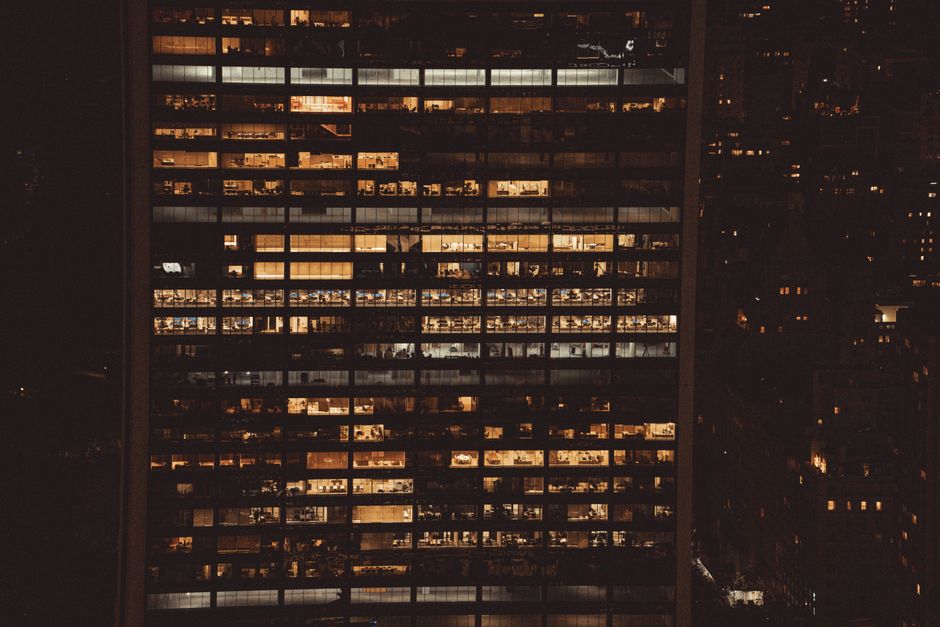
The numbers tell a sobering story. Manhattan's office vacancy rate has climbed to approximately 16 percent, the highest level in a decade, with prime Midtown real estate facing particular strain. A 40-story office tower on Park Avenue South that would have commanded $85 per square foot in 2019 is now struggling to attract tenants at $60. Meanwhile, Class B properties in less prestigious addresses are seeing even steeper declines, with some landlords offering six months free rent just to fill space.
The financing crisis compounds the misery. Owners of aging office buildings who took out loans during the cheap-money era are facing brutal refinancing realities. Interest rates that hovered around 3 percent four years ago now sit above 6 percent for commercial mortgages. For buildings carrying older debt, the math no longer works. Several prominent real estate investors have quietly walked away from properties in lower Manhattan and along the Hudson Yards corridor, surrendering buildings to lenders rather than invest capital into renovations that may never pay off.
Tech and finance companies—historically the anchors of Manhattan's office ecosystem—have accelerated their retreat. Amazon's decision to scale back its presence in Long Island City sent ripples through Queens, while JPMorgan's embrace of flexible work has meant the firm now occupies far fewer desks at its Park Avenue headquarters. Law firms and consulting groups, which once defined office culture, are now renegotiating leases at drastically reduced square footage per employee.
The outer boroughs haven't escaped the downdraft. Brooklyn's Williamsburg and Dumbo neighborhoods, which experienced a mini-renaissance in recent years, are seeing softening demand. Even discounted rents aren't moving inventory quickly enough to satisfy landlords who had grown accustomed to rapid tenant absorption.
Adaptive reuse—converting office space into residential or mixed-use developments—has become the buzzword among property owners seeking salvation. But conversion requires capital, patience, and a regulatory framework that New York City is still working to streamline. For many mid-sized landlords without deep pockets, waiting for a market recovery while bleeding cash on vacant floors is no longer an option.
This article was compiled by AI from the sources linked above and screened before publishing. See our editorial standards.