How Rising Interest Rates and Consumer Spending Are Reshaping New York's Retail and Food Scene
A deeper look at the economic forces reshaping Manhattan's hospitality landscape and what they mean for the city's recovery.
A deeper look at the economic forces reshaping Manhattan's hospitality landscape and what they mean for the city's recovery.
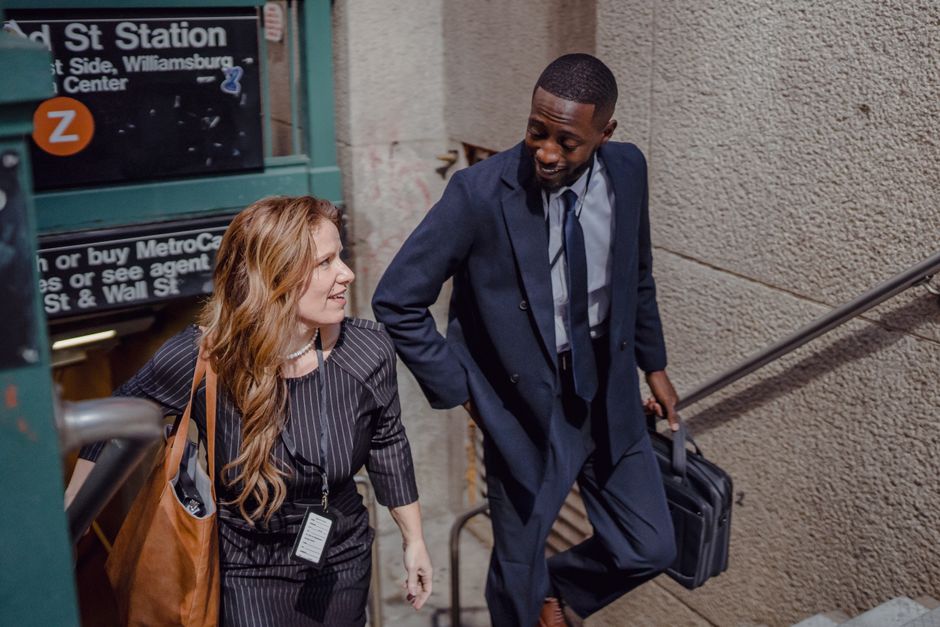
New York's retail and hospitality sectors are experiencing a peculiar moment: while foot traffic on Fifth Avenue and in SoHo has returned to 2019 levels, the underlying economics tell a more complicated story about where capital is flowing and why some establishments thrive while others struggle.
The Federal Reserve's interest rate decisions—holding steady at 5.25 percent through mid-2026—continue to ripple through commercial real estate and business investment. For restaurant operators along the Bowery and in Williamsburg, higher borrowing costs mean expansion plans are being shelved. A typical $2 million renovation loan that would have cost $75,000 annually at 2021 rates now demands nearly $105,000, fundamentally altering the economics of growth.
Yet consumer spending remains resilient. According to data tracked by the Partnership for New York City, foot traffic in Midtown Manhattan averages 380,000 daily commuters and tourists, up from 310,000 a year ago. This buoyancy has attracted institutional investment. Two major hospitality funds acquired control of three boutique hotels in the Flatiron District this quarter, betting that premium positioning and operational efficiency could yield five to seven percent returns despite higher capital costs.
The divergence is sharpest in casual dining. Chain operators like Sweetgreen and Dig are expanding aggressively in Manhattan, their access to cheap capital through private equity backing offsetting margin pressures. Independent restaurant owners report operating on three to four percent net margins—roughly half the historical average. Labor costs in the city remain elevated, with entry-level kitchen staff commanding $18 to $22 hourly wages, up from $15 three years ago.
Retail tells yet another story. Department stores anchoring Herald Square and Times Square report comparable-store sales growth of 2.3 percent year-over-year, but this masks a fundamental shift: online represents 42 percent of apparel sales, forcing physical locations to compete on experience rather than inventory depth. Luxury brands along Madison Avenue remain insulated, but middle-market retailers are consolidating locations.
Investment banks tracking the sector note that capital deployment favors businesses with strong digital integration and operational scale. The bifurcation—between well-capitalized chains and under-resourced independents—will likely accelerate through 2027 unless interest rates decline. For now, New York's vibrant street-level economy masks structural headwinds that will determine which neighborhoods thrive and which fade.
This article was compiled by AI from the sources linked above and screened before publishing. See our editorial standards.
How does this story make you feel?
Spread the word
About this article
Published by The Daily New York
Daily brief
Free, in your inbox before 7am. Weekdays.
More in Business