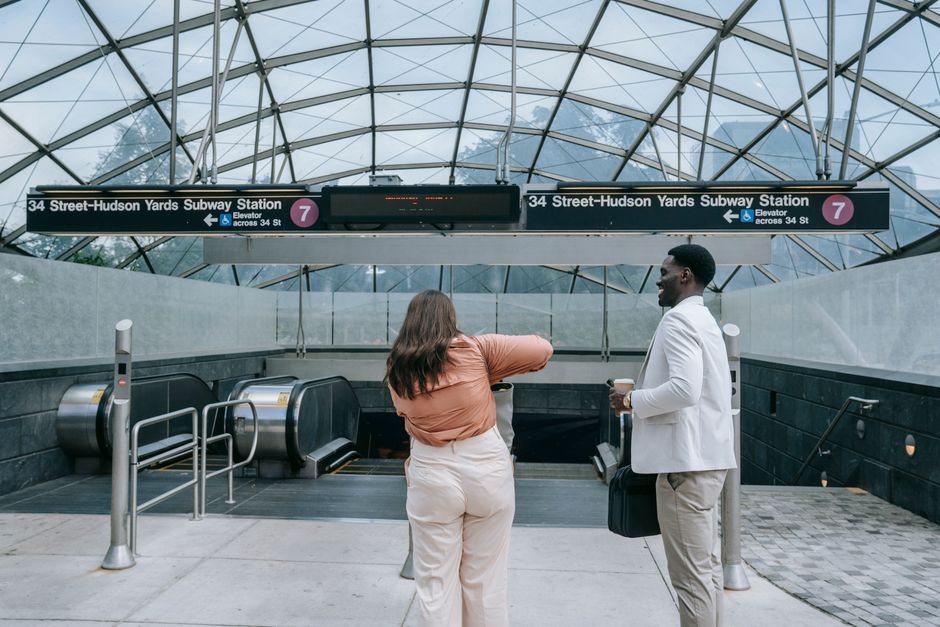
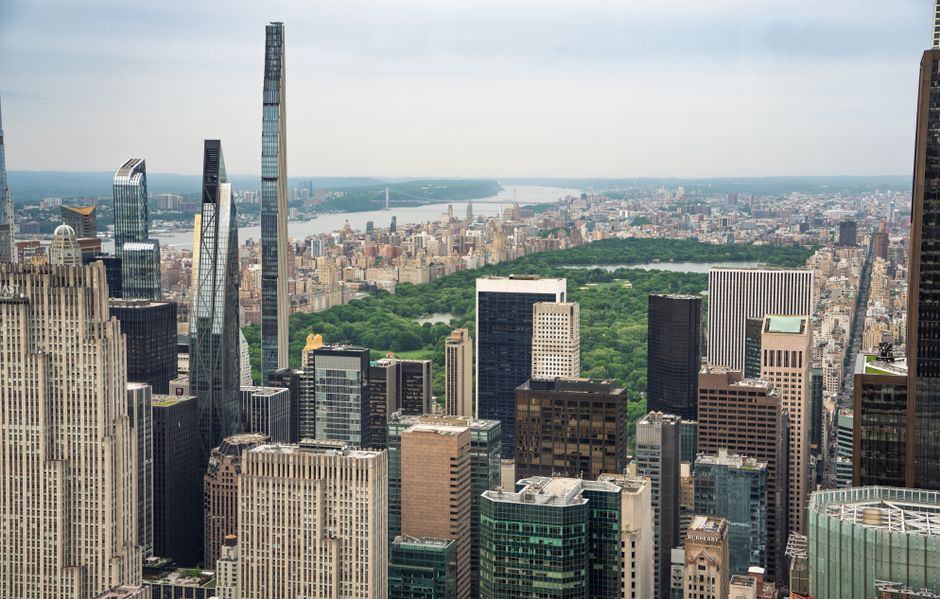
The disruptions cascading through international markets—from geopolitical tensions in the Middle East to supply chain fractures in South America—are having a profound ripple effect on New York's most sophisticated job market. Companies headquartered in Midtown and the Financial District are competing fiercely for a shrinking pool of trade compliance officers, import-export specialists, and supply chain architects, driving salaries up and reshaping the skill sets employers desperately need.
"We're seeing salary increases of 15 to 20 percent for senior logistics roles," said one recruiter at a prominent staffing firm near Madison Avenue, noting that positions requiring expertise in tariff classification and customs brokerage now command six-figure compensation packages. A decade ago, such roles paid considerably less. This wage inflation reflects a fundamental market reality: as multinational corporations and import-heavy retailers grapple with unpredictable trade environments, they're willing to pay premium rates to secure talent.
The demand is particularly acute in neighborhoods like Long Island City, where the Port of New York and New Jersey operations create a dense ecosystem of logistics companies and freight forwarders. Even smaller firms that handle containerized goods are competing with major players like Amazon and multinational shipping companies for experienced professionals. Entry-level positions in international trade that once attracted candidates with modest qualifications now increasingly require master's degrees or specialized certifications.
Yet the sector faces a structural problem: the pipeline of trained workers hasn't kept pace with demand. Colleges throughout the Northeast that once churned out supply chain graduates have seen enrollment decline, partly because the career path wasn't traditionally considered glamorous. Now universities from NYU's Stern School to Rutgers are reporting renewed interest in trade and logistics programs, though they can't immediately flood the market with new talent.
The implications extend beyond salaries. Companies are investing heavily in training existing employees, restructuring workflows around new trade realities, and increasingly recruiting internationally—ironically, to fill positions created by international trade turbulence. Some firms in Tribeca and the Hudson Yards corridor are establishing remote teams across time zones to monitor regulatory changes in real time.
For New York's workforce, this reshuffling presents opportunity and uncertainty in equal measure. Workers with adaptable skills and willingness to master complex regulatory frameworks can command premium compensation. But those unable to upskill risk being left behind in a market moving faster than ever. The city's status as a global financial hub means these tremors will continue reverberating through the local economy for years to come.
This article was compiled by AI from the sources linked above and screened before publishing. See our editorial standards.