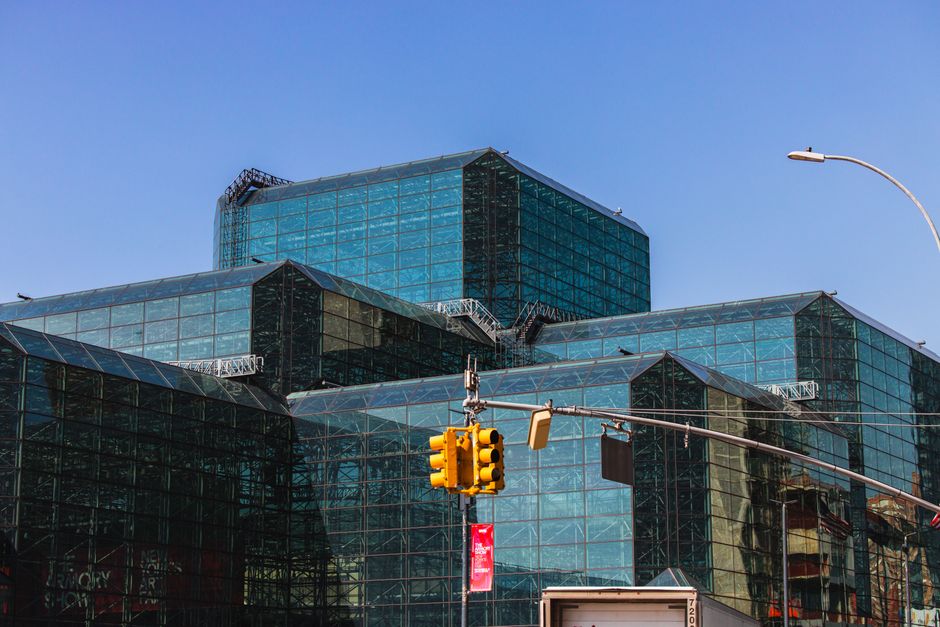
Walk down Broadway on any given weekend in June 2026, and you'll encounter a dizzying array of choices: Pride celebrations in Hell's Kitchen, the Tribeca Film Festival's closing galas, street fairs in the Upper West Side, and pop-up markets in Williamsburg. It's a far cry from the 1980s, when New York's festival calendar was lean, locally-focused, and largely dependent on community volunteers and city parks permits.
The transformation began in earnest during the 1990s, when cultural tourism became a municipal priority. The Tribeca Film Festival, founded in 2002 in response to September 11th's impact on lower Manhattan, was among the first major events to position itself as both neighborhood anchor and global spectacle. It worked. Within a decade, the model of the boutique-but-prestigious festival had taken hold across the five boroughs.
Today's calendar reflects a city obsessed with monetizing its cultural calendar. The New York City Parks Foundation reports that the number of permitted street fairs has grown from approximately 40 annually in 2005 to over 180 by 2024. SummerStage, the Central Park Conservancy's free concert series that launched in 1986 with a budget of $50,000, now commands nearly $8 million annually and draws half a million attendees across all five boroughs.
Yet this growth masks genuine tensions. Gentrification has fundamentally altered which neighborhoods host which festivals. The Feast of San Gennaro in Little Italy, once the city's most prominent Italian-American celebration, has shrunk considerably as the neighborhood's Italian population dwindled from 65 percent in 1980 to under 5 percent today. Meanwhile, festivals in rapidly-developing areas like Long Island City and Red Hook have become flashpoints for displacement concerns.
Digital infrastructure has also reshaped the landscape. In 2015, the city introduced a centralized online permit system for events. Ticketmaster and Eventbrite now control distribution for major festivals, eliminating the chaotic box office lines of previous decades but raising admission prices accordingly. What once cost $5 to attend now regularly commands $25 or more.
The pandemic accelerated these changes. When outdoor events returned in 2021, organizers discovered hybrid models worked—livestreaming Brooklyn's Celebrate Brooklyn! festival reached international audiences previously impossible to reach. By 2026, nearly 40 percent of major festivals offer virtual access options.
What remains constant, however, is New Yorkers' hunger for gathering. From street fairs in Jackson Heights to jazz performances under the Brooklyn Bridge, the city's festival scene endures as an essential social infrastructure—even as it becomes increasingly professionalized, expensive, and globally oriented.
This article was compiled by AI from the sources linked above and screened before publishing. See our editorial standards.