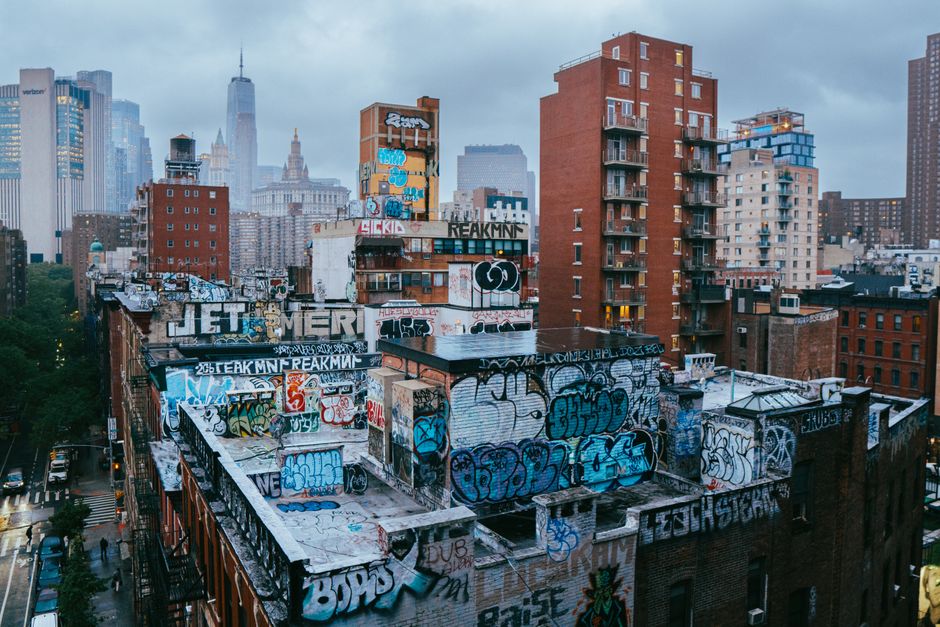
Walk down Bedford Avenue in Williamsburg on any given morning, and you'll notice something that would have been unthinkable five years ago: pristine murals bearing QR codes that link to NFT galleries and luxury apartment listings. The street art scene that once defined Brooklyn's creative identity is undergoing a seismic shift, and not everyone is celebrating.
The tension crystallized last month when a collective of around forty independent muralists launched "Paint the Pavement," a grassroots initiative explicitly designed to reclaim public walls from corporate sponsors. Their first action saw overnight installations along the Williamsburg waterfront and the Bushwick-Astoria border—deliberate acts of artistic reclamation that have sparked heated conversations in design studios and community boards across North Brooklyn.
"What's happening now is the commodification of authenticity," explains the sentiment circulating through venues like Knockdown Center in Maspeth and artist collectives along the Newtown Creek waterfront. Corporate real estate firms—several based in Midtown Manhattan—have begun allocating seven-figure budgets specifically for street art installations. The goal is transparent: establish Instagram-worthy landmarks that anchor luxury development narratives.
The numbers tell the story. Commercial gallery space in Williamsburg costs approximately $8,000 to $12,000 monthly for a modest storefront, pricing out the independent artists who built the neighborhood's reputation. Meanwhile, median rents have climbed to $3,200 for a one-bedroom apartment—a 340 percent increase since 2010. Street art, once free and urgent, has become a marketing tool for $2 million condominiums.
Yet resistance is mounting. Astoria's waterfront park has become an unexpected hub for unauthorized muralists, while Ridgewood's institutional support for street art through local nonprofits like Juniper Park Civic Association has created a deliberate counterweight to commercialization. These neighborhoods are intentionally cultivating public art policies that prioritize community voice over brand aesthetics.
The real conversation happening in design circles now centers on a fundamental question: Can street art survive gentrification, or does protecting it require fundamentally restructuring how we value creative labor in this city? As June fades into summer, the murals appearing on Wythe Avenue and Metropolitan Avenue aren't just paintings anymore. They're declarations of intent about who gets to shape New York's visual identity—and whether the artists who built these districts will remain to witness their own transformation.
This article was compiled by AI from the sources linked above and screened before publishing. See our editorial standards.