How Grassroots Collectives Are Reclaiming New York's Live Music Scene
From Williamsburg basements to Jamaica Queens lofts, a new generation of independent promoters is reshaping where New Yorkers gather to hear music.
From Williamsburg basements to Jamaica Queens lofts, a new generation of independent promoters is reshaping where New Yorkers gather to hear music.
Walk past the shuttered storefronts along Bedford Avenue in Williamsburg, and you'll notice something unexpected: hand-painted murals directing foot traffic to unmarked doorways. Inside those converted warehouses and artist lofts, a quiet revolution is reshaping New York's live music landscape. The shift isn't happening at Madison Square Garden or Terminal 5—it's emerging from the organizing work of community-driven collectives that are deliberately stepping outside the traditional venue ecosystem.
This movement gained momentum in 2024, when several major Brooklyn venues faced closure or ownership changes. Rather than wait for corporate promoters to fill the void, neighborhood groups began creating their own spaces. Organizations like the East Williamsburg Arts Alliance and the Jamaica Queens Cultural Network now coordinate monthly shows, with ticket prices deliberately capped at $15 to $25—a direct response to the $60-plus general admission fees that had become standard at larger venues.
The numbers tell a story of meaningful change. According to a survey conducted by the Brooklyn Music Alliance this spring, attendance at independent, community-organized shows grew 34 percent year-over-year, while ticket sales at major commercial venues remained flat. More striking: 67 percent of respondents said they'd discovered their favorite emerging artists through these grassroots networks rather than traditional marketing channels.
What distinguishes this movement from previous indie music scenes is its explicit commitment to accessibility and cultural representation. Collectives operating in neighborhoods from Astoria to Crown Heights are intentionally booking artists from their own communities—Caribbean reggae and dancehall acts in Jamaica Queens, Dominican bachata in Washington Heights, West African Afrobeats across the boroughs. These aren't tokenistic gestures; they reflect who actually lives in these neighborhoods.
The infrastructure supporting this shift is largely invisible to casual observers. WhatsApp groups coordinate logistics. Shared spreadsheets track equipment. Kitchen tables become booking offices. Venues range from gallery spaces on Eldridge Street to rooftops in Long Island City. One collective operating across three Bronx neighborhoods reports booking 18 shows monthly with a rotating crew of 40 volunteers.
City officials have taken notice. The Department of Cultural Affairs expanded its support for grassroots music programming in this year's budget, recognizing that the future of New York's cultural vitality depends on creating pathways for artists and communities typically excluded from traditional gatekeeping structures.
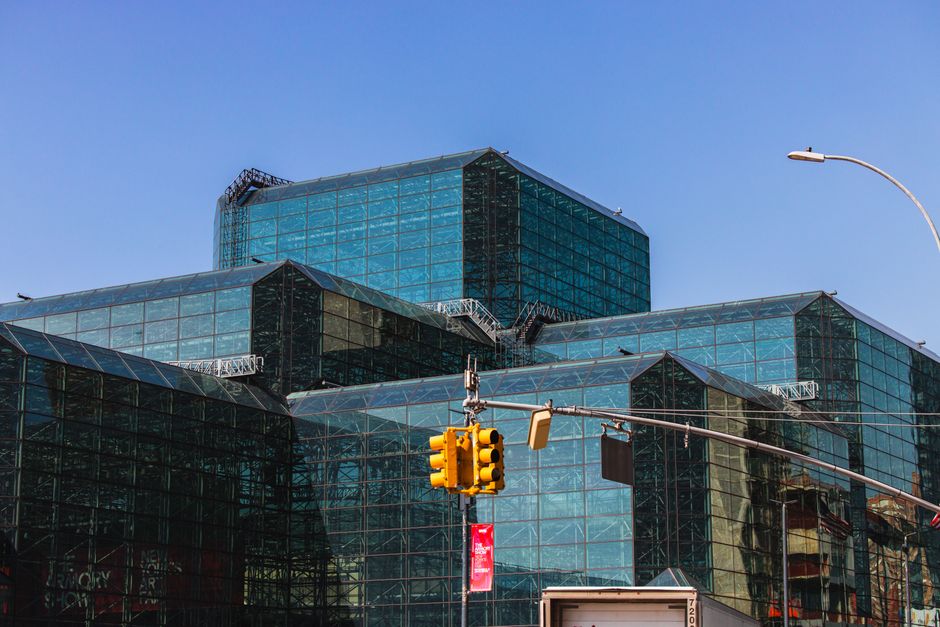
The movement remains fragile. Gentrification pressures continue threatening the neighborhoods where these collectives operate. But for now, New York's live music future isn't being written in glass and steel venues—it's being written in basements and lofts by people who believe music belongs to everyone.
This article was compiled by AI from the sources linked above and screened before publishing. See our editorial standards.
How does this story make you feel?
Spread the word
About this article
Published by The Daily New York
Daily brief
Free, in your inbox before 7am. Weekdays.
More in culture