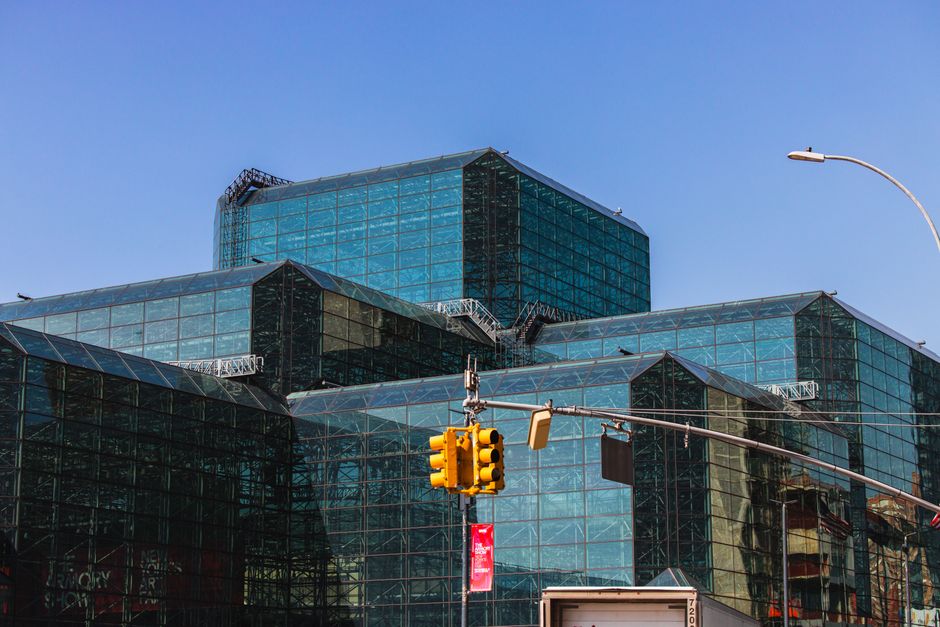
Summer's Festival Circuit Is Redefining What It Means to Be New York Creative in 2026
From the Bronx to Brooklyn's waterfront, a new generation of curators is steering the city's cultural identity away from nostalgia toward radical experimentation.
From the Bronx to Brooklyn's waterfront, a new generation of curators is steering the city's cultural identity away from nostalgia toward radical experimentation.
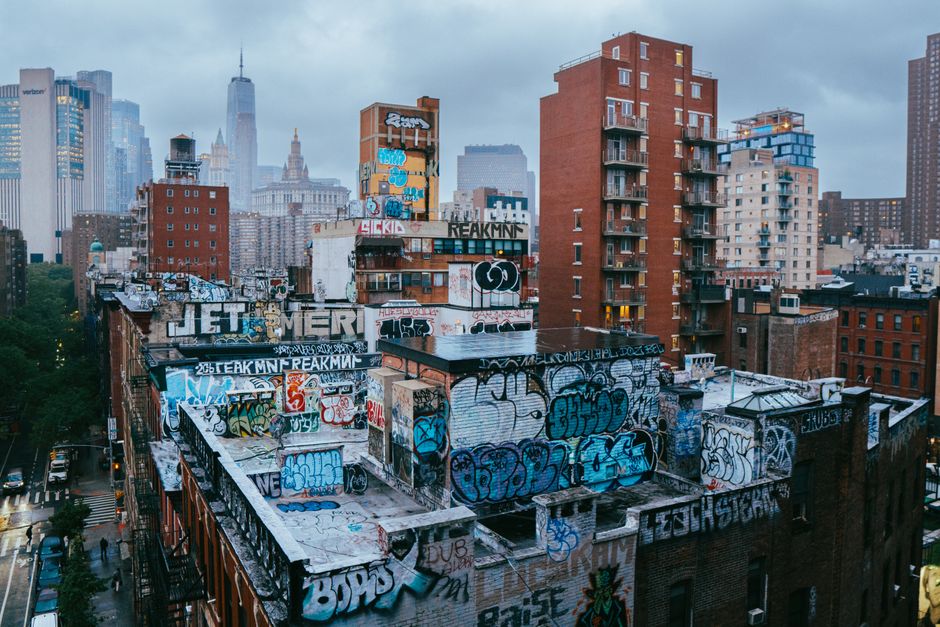
Walk down the High Line on any given weekend this summer and you'll encounter something the New York of a decade ago rarely offered: genuine artistic risk. The elevated park's 2026 programming, anchored by a sprawling multimedia exhibition celebrating queer Latinx experimental cinema, has become a proving ground for what cultural leaders here are calling the city's "post-tourism identity."
This shift is everywhere. Across the five boroughs, festivals and recurring events have quietly become the primary vehicles through which New York defines itself—less through the polished institutions of Lincoln Center or the Whitney, more through the scrappy, participatory events that have multiplied in neglected neighborhoods. The numbers tell a revealing story: according to NYC's Department of Cultural Affairs, there are now 347 officially registered festivals across the city, up from 247 in 2019. Many are entirely free or pay-what-you-wish, a deliberate rejection of the gatekeeping that historically made cultural participation a privilege.
The transformation is most visible in neighborhoods still reclaiming their identities. In Astoria, Queens, the Kaufman Arts District has hosted thirteen consecutive weeks of pop-up performances this season alone, converting vacant storefronts into temporary galleries. In Red Hook, Brooklyn, the Waterfront Museum's expanded calendar now includes monthly "radical archive" nights where artists interrogate the neighborhood's colonial and industrial history. The Bronx Museum's newly relocated Satellite programming—operating from a repurposed metal fabrication shop on Melrose Avenue—has become a magnet for young practitioners working in ceramics, installation, and community-engaged practice.
What distinguishes 2026's festival ecology from previous iterations is its refusal of coherence. There's little attempt to market a unified "New York cultural brand." Instead, hyperlocal events—the Sunset Park Night Market, the Williamsburg Street Music Festival, the Jamaica Queens Diaspora Arts Coalition's monthly celebrations—operate almost independently, creating a cultural landscape that mirrors the city's actual demographic and creative reality rather than some idealized version of it.
This decentralization reflects hard lessons about equity. Many festivals now explicitly prioritize artists of color, immigrants, disabled practitioners, and economically precarious creators. Stipends have become standard; exposure-only programming is increasingly rare. The Jamaica Cultural Arts Center reports that 84 percent of its featured artists now receive guaranteed compensation, a shift that's reshaping who can afford to remain creative in the city.
The economic ripple effects extend beyond prestige. Local restaurants, transit usage, and neighborhood foot traffic spike around festival dates. More significantly, these events have begun attracting artists considering leaving New York. The festival circuit, it seems, has become the city's most persuasive argument for its own survival.
This article was compiled by AI from the sources linked above and screened before publishing. See our editorial standards.
How does this story make you feel?
Spread the word
About this article
Published by The Daily New York
Daily brief
Free, in your inbox before 7am. Weekdays.
More in culture