New York Fashion History: From Sweatshops to Design Capital
Discover how New York's Garment District transformed from 1970s manufacturing hub to a $100B creative economy. The untold story of the city's fashion industry evolution.
Discover how New York's Garment District transformed from 1970s manufacturing hub to a $100B creative economy. The untold story of the city's fashion industry evolution.
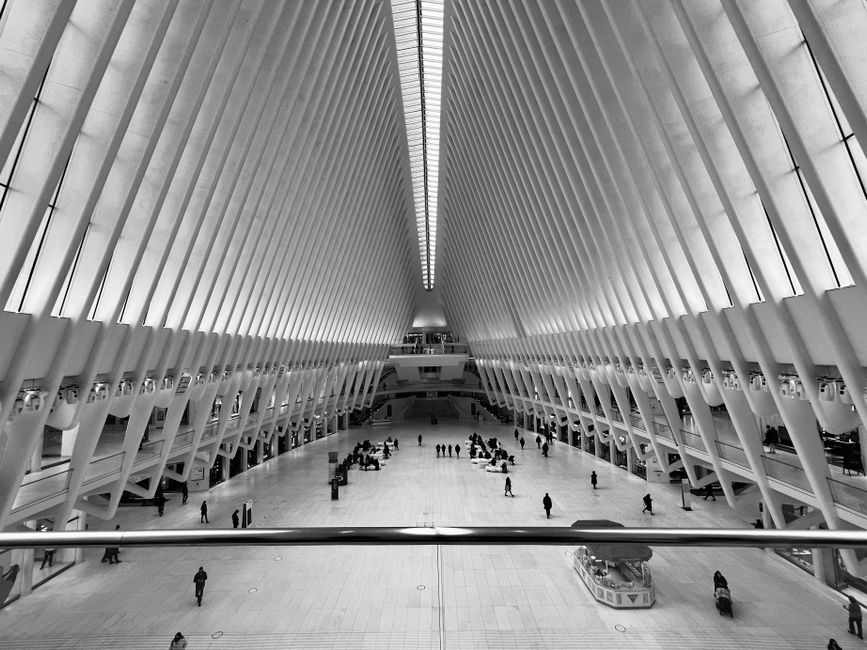
Walk down West 39th Street today and you'll see glass-fronted showrooms and design studios where, just thirty years ago, thousands of garment workers hunched over sewing machines in cramped factories. This transformation—from industrial powerhouse to creative epicenter—tells the story of New York's fashion industry, a narrative as dramatic as the collections that have emerged from it.
The Garment District, stretching roughly from 34th to 42nd Street between Fifth and Ninth Avenues, was once the beating heart of American manufacturing. By the 1970s and 80s, however, overseas production gutted the sector. Factories shuttered. Workers scattered. The neighborhood faced genuine obsolescence. Yet instead of disappearing entirely, New York's fashion ecosystem evolved. Designers, many trained at institutions like Parsons School of Design and Fashion Institute of Technology, began establishing independent studios in cheaper real estate across Brooklyn and the Lower East Side.
The shift accelerated dramatically in the 2000s. Fashion Week, historically held in Bryant Park, migrated to the iconic tents above the High Line in Chelsea—a symbolic move from institutional grandeur to the gritty, creative energy of a gentrifying neighborhood. Young designers like those showcased at NYFW now command global attention before their pieces ever reach a retail floor, establishing New York as the arbiter of taste rather than merely a production center.
Today's ecosystem looks radically different from its predecessor. The Council of Fashion Designers of America (CFDA), headquartered in Manhattan, serves as gatekeeper and champion. Emerging designers vie for the CFDA/Vogue Fashion Fund—a $300,000 prize that can launch careers overnight. Neighborhoods from Williamsburg to the Garment District itself have become design hubs, with rent for a SoHo studio now averaging $8,000 monthly.
The creative industries more broadly have become vital to New York's economy. Fashion, design, and related sectors employ roughly 75,000 people and contribute substantially to the city's $2 trillion economy. Yet this prosperity masks contradictions: while established designers thrive, freelance and emerging creatives often struggle with housing costs and precarious work arrangements.
As New York faces competition from Los Angeles, London, and Paris, the fashion community increasingly emphasizes sustainability and diversity—values reflecting the city's evolving identity. The industry that once defined New York's working class has transformed into a playground for the global elite, even as some argue the soul of the original Garment District remains buried beneath the designer boutiques.
This article was compiled by AI from the sources linked above and screened before publishing. See our editorial standards.
How does this story make you feel?
Spread the word
About this article
Published by The Daily New York
Daily brief
Free, in your inbox before 7am. Weekdays.
More in culture