How to Really Know New York: A Visitor's Essential Guide ...
Skip the crowded observation decks—these lesser-known sites reveal the neighborhoods, stories, and identities that actually built the five boroughs.
Skip the crowded observation decks—these lesser-known sites reveal the neighborhoods, stories, and identities that actually built the five boroughs.
New York's most revealing history isn't always found behind velvet ropes or ticket windows. While millions queue for the Empire State Building, the city's true cultural DNA unfolds in the neighborhoods where immigrants settled, where artists disrupted conventions, and where ordinary New Yorkers fought for dignity and belonging.
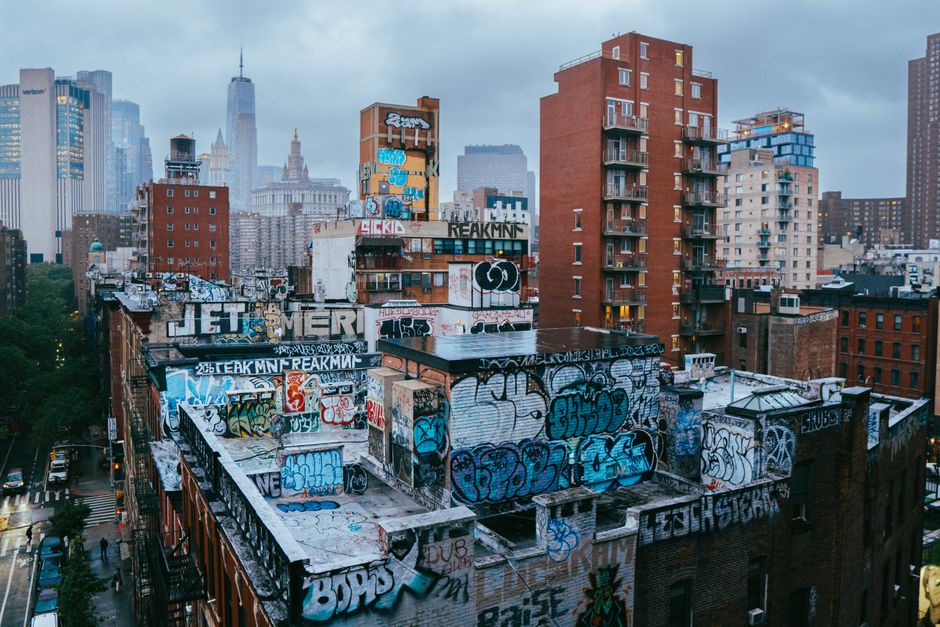
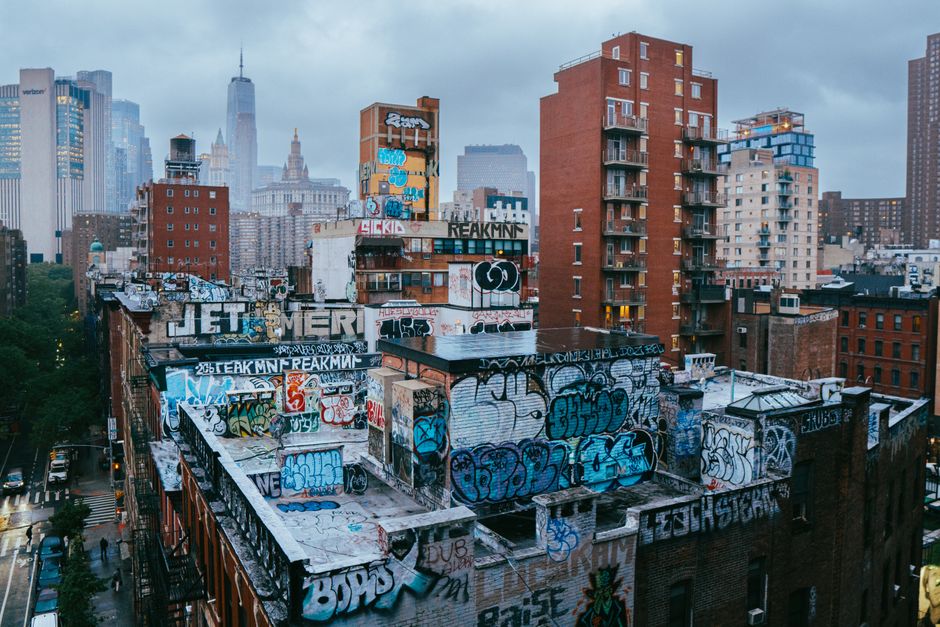
Start in the Lower East Side, where the Tenement Museum on Orchard Street operates as the city's most intimate historical experience. Guided tours of preserved 1863 tenement buildings—admission around $29—walk visitors through the lives of actual residents: Irish garment workers, Jewish immigrants, Puerto Rican families. This neighborhood, now gentrified and expensive, was once home to the highest concentration of immigrants in America. Walking east toward Ludlow Street reveals street art honoring the area's radical organizing history; this is where labor movements, anarchist presses, and punk rock collided.
Move north to Harlem, where the Apollo Theater on 125th Street remains the spiritual center of African American performance history since 1934. The theater's amateur night on Wednesdays ($20 admission) connects directly to the community in ways few tourist attractions do. Nearby, the Studio Museum in Harlem focuses exclusively on artists of African descent—a curatorial choice that reflects institutional commitment to equity. The neighborhood itself is a living archive: the brownstones of Sugar Hill, the corner where Malcolm X was assassinated, the churches that anchored civil rights movements.
Don't miss Chinatown's Museum of Chinese in America on Mulberry Street, where exhibitions explore how exclusion laws shaped community identity and survival strategies. Many visitors underestimate how thoroughly the Chinese Exclusion Act (1882-1943) reshaped immigration patterns and created elaborate documentation schemes that still affect family histories today.
Finally, head to Red Hook in Brooklyn, where the Waterfront Museum operates from a converted barge. This neighborhood's transformation from working-class shipping hub to artists' haven tells the story of gentrification—necessary context for understanding modern New York's contradictions.
The through-line connecting these sites: New York's identity was forged by people who arrived with nothing, built community through necessity, and created irreplaceable cultural legacies. That's the story worth knowing—and it's still unfolding in these neighborhoods, though increasingly at risk from rising rents and displacement pressures that echo the displacement struggles documented in their museums.
This article was compiled by AI from the sources linked above and screened before publishing. See our editorial standards.
How does this story make you feel?
Spread the word
About this article
Published by The Daily New York
Daily brief
Free, in your inbox before 7am. Weekdays.
More in culture