The Architects of New York's Fashion Renaissance: Meet ...
Behind every successful collection shown in Manhattan's galleries is a network of mentors, manufacturers, and misfits who built the infrastructure for the next generation.
Behind every successful collection shown in Manhattan's galleries is a network of mentors, manufacturers, and misfits who built the infrastructure for the next generation.
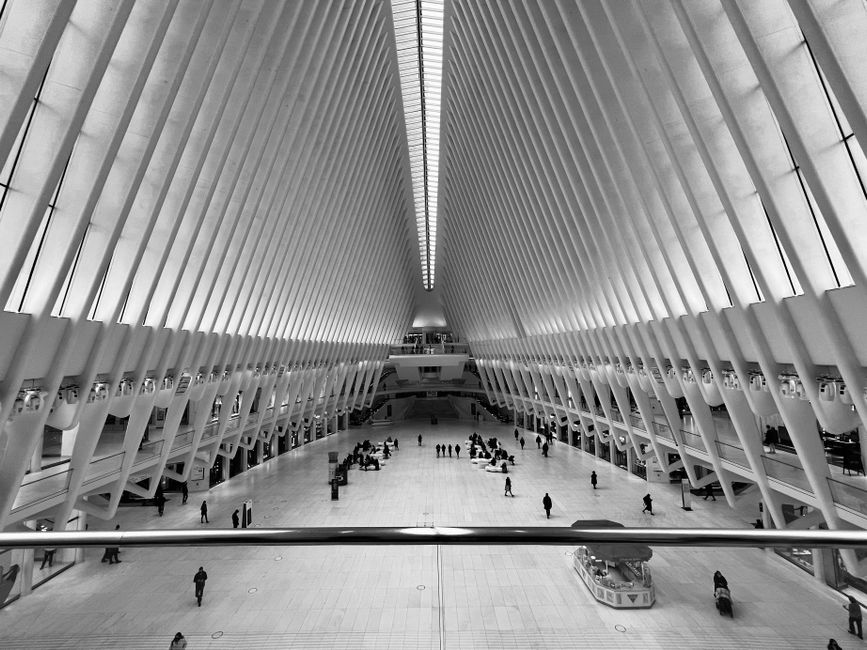
Walk through the Garment District on a Tuesday morning and you'll see the skeleton of an industry in flux. The storefronts along Seventh Avenue that once hummed with the machinery of fashion's establishment have transformed into something messier, more interesting—a sprawl of independent ateliers, shared studio spaces, and small manufacturers who've become the unlikely architects of New York's current creative moment.
The transformation accelerated over the past three years as rental costs in traditional fashion hubs climbed beyond viability for emerging designers. According to the Fashion Institute of Technology's latest industry survey, startup costs for launching a independent label now average $180,000—up 43 percent since 2023. That pressure has scattered the city's creative talent across unlikely neighborhoods. Bushwick's converted warehouses now house nearly two dozen independent labels. Long Island City has become a de facto manufacturing hub. Sunset Park in Brooklyn, once dormant in fashion circles, has emerged as a surprising nexus of sustainable fabric innovation.
The people driving this shift are rarely the designers whose names appear in press releases. They're the pattern-makers who've turned mentorship into a calling, the factory owners who've kept operations alive by embracing small-batch production, the community organizers who've created exhibition spaces in unexpected places.
Consider the role of institutions like the SoHo Lofts Artists Association and independent venues like Klaus in Williamsburg, which has hosted over 90 emerging designer presentations since reopening last year. These spaces function as both incubators and gathering points—places where a designer working alone in a Ridgewood studio can connect with a fabric distributor, a production consultant, or simply another creative wrestling with similar challenges.
The infrastructure supporting this moment extends to manufacturing partners who've adapted their business models. Factory owners in the Garment District who once required minimum orders of 500 units now work with designers creating runs of 50. This flexibility comes at a cost—per-unit pricing increases roughly 35 percent for small batches—but it's enabled designers to test ideas without catastrophic financial risk.
What's emerging is a culture built on transparency and collaboration rather than the secrecy that once defined fashion's hierarchies. Design students from FIT collaborate with seasoned manufacturers. Established pattern-makers teach workshops in Astoria. The gatekeeping that characterized previous eras has fractured, replaced by a network of practitioners sharing knowledge because the old system no longer works.
The result isn't a more democratic fashion world—not yet. But it's becoming one where the story behind the scene matters more than the mythology surrounding the finished collection.
This article was compiled by AI from the sources linked above and screened before publishing. See our editorial standards.
How does this story make you feel?
Spread the word
About this article
Published by The Daily New York
Daily brief
Free, in your inbox before 7am. Weekdays.
More in culture