Free in New York: How the City Built a Cultural Commons in the Age of Austerity
From Depression-era parks to streaming performances in Brooklyn, New York's free cultural scene has evolved from necessity into a defining feature of urban life.
From Depression-era parks to streaming performances in Brooklyn, New York's free cultural scene has evolved from necessity into a defining feature of urban life.
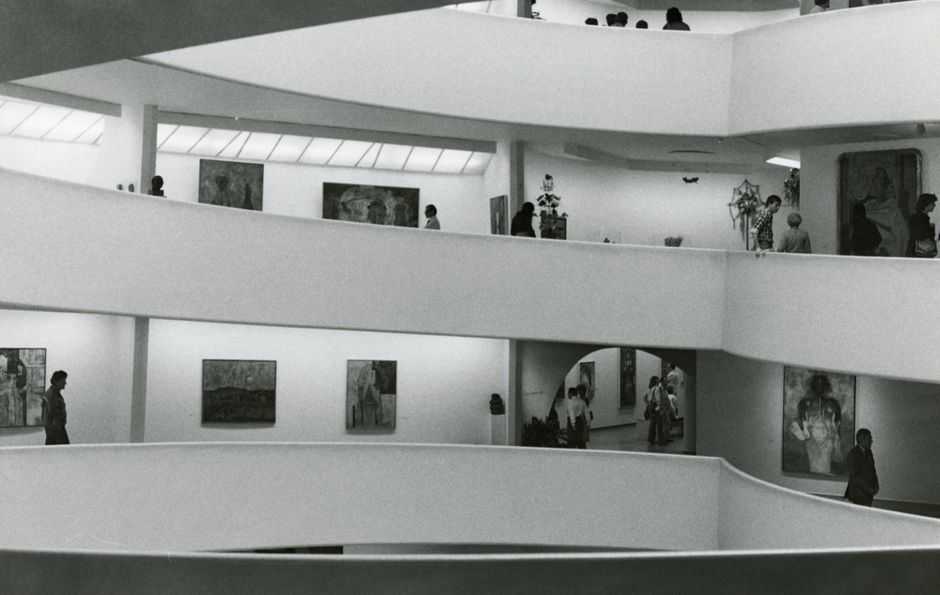
The Great Depression gave New York City something unexpected: a blueprint for survival that would shape how millions experience culture for the next century. When the Works Progress Administration arrived in the 1930s, it didn't just build roads. It created the Parks Department's free concert series, filled neighborhood libraries with art programs, and launched thousands of murals. That infrastructure, built when the city had almost no money, remains the skeletal framework for how New Yorkers access culture today without spending a dime.
The parallel matters now. As inflation and housing costs have pushed median rents in Manhattan past $4,500 monthly, the free offerings—concerts in Central Park, the public library system, street fairs in every neighborhood from the Upper West Side to Sunset Park—have become something closer to essential services than luxuries. City officials have quietly expanded these programs even as cultural budgets elsewhere contracted. The result is a functioning cultural commons that nearly a million tourists and locals tap into annually, a system that almost accidentally became one of the city's most democratic features.
Walk into the New York Public Library's main branch on Fifth Avenue any weekday and you'll see what institutional free access actually looks like. The building itself, opened in 1911, hosted the Library's first free exhibitions decades before museums charged admission as a standard practice. Today, the NYPL runs 92 branches across Manhattan, the Bronx, and Staten Island, and maintains one of the most aggressive free programming schedules in the country: author talks, film screenings, job training workshops, and exhibitions that cost nothing to attend.
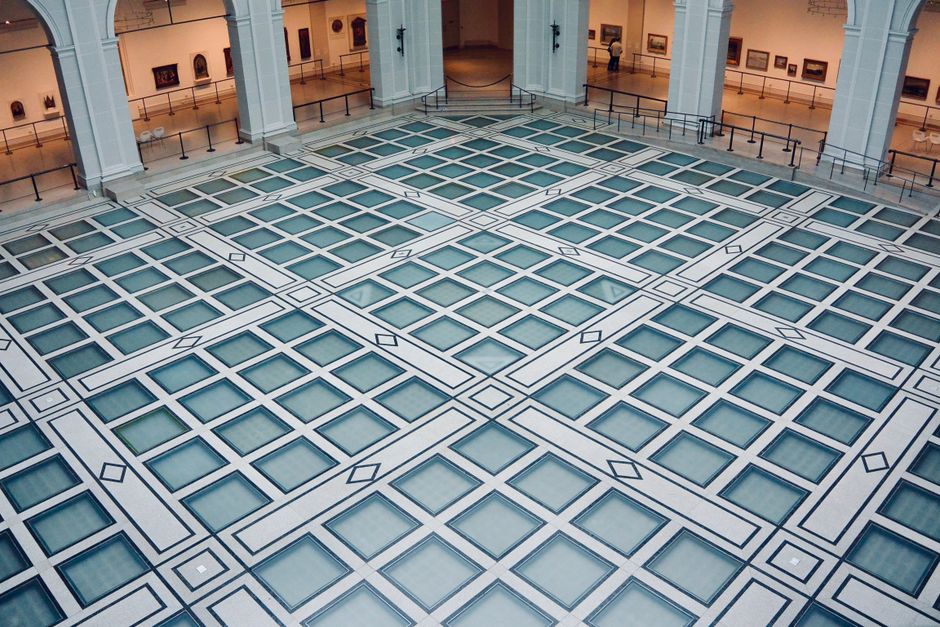
The Brooklyn Museum took a different path. When the museum shifted to a voluntary admission model in 2015—essentially making entrance free but requesting donations—attendance jumped 45 percent within the first year. The museum's programming director explained at the time that removing the $16 admission barrier didn't diminish the experience; it exploded it. The model proved durable enough that dozens of cultural institutions followed suit, though most maintain some paid exhibitions alongside free ones.
Prospect Park Alliance, which manages the 526-acre Prospect Park in Brooklyn, has built an entire summer calendar around free programming: SummerStage hosts 60 concerts annually, drawing crowds of 50,000 to 80,000 people across the season. The tradition started in 1986 with a single stage and has since expanded into one of the city's most reliable outdoor cultural institutions. None of it charges admission.
The architecture of free culture shifted dramatically between 2020 and 2024. When theaters shuttered during lockdowns, performance venues and independent artists migrated to YouTube and Instagram Live almost by accident. That meant New Yorkers could suddenly access performances from the Public Theater, the Shed on Hudson Yards, and smaller venues in Williamsburg without leaving their apartments. Some of that shifted back to in-person programming, but the streaming footprint remained. The Metropolitan Museum of Art now releases one artwork per day through its open-access collection on its website—currently over 375,000 artworks available in high resolution, free to download.
Data from the Department of Cultural Affairs shows spending on free cultural programming increased 23 percent between 2019 and 2024, even as the city's general budget faced mounting pressures. The agency now dedicates roughly $89 million annually to grants that support free and low-cost programming across the five boroughs. That's roughly equivalent to what the city spent on street maintenance in a single district.
The pragmatic truth: free culture isn't nostalgia in New York anymore. It's infrastructure. The street fairs that close off avenues in neighborhoods from Fort Greene to Washington Heights during summer weekends represent hundreds of hours of city planning and vendor coordination. The sidewalk jazz performances that have become routine in the Lower East Side emerged from decades of policy that actually permits, rather than restricts, busking. None of it happened accidentally. The city built it, piece by piece, because access to culture proved to be the opposite of a luxury good. It became essential to keeping the city functioning.
How does this story make you feel?
Spread the word
About this article
Published by The Daily New York
Daily brief
Free, in your inbox before 7am. Weekdays.
More in culture