A Hard-Earned Leisure: The History and Evolution of This Local Scene
As the cost of living climbs, New Yorkers are rediscovering the radical, tax-funded roots of the city’s free public programming.
As the cost of living climbs, New Yorkers are rediscovering the radical, tax-funded roots of the city’s free public programming.
New York City’s culture of free entertainment is reaching a breaking point this Fourth of July, as historic attendance numbers at public parks strain municipal budgets. While fireworks displays over the East River draw millions, the quiet revolution is happening in the boroughs, where libraries and community centers are seeing a 22 percent spike in demand for non-ticketed programming compared to the same period in 2024.
The city's reliance on cost-free leisure dates back to the Great Depression, when the Works Progress Administration (WPA) transformed urban parks into centers for relief and culture. Federal funding during that era established the blueprint for venues like the Naumburg Bandshell in Central Park, where performances were intended to serve as a democratic right rather than a commercial privilege. Today, that legacy is maintained by the City Parks Foundation, which curates the SummerStage series across 16 different neighborhood parks, from Marcus Garvey Park in Harlem to Betsy Head Park in Brownsville. These spaces serve as critical nodes for social cohesion, effectively operating as the city’s “third places” in an era of private equity buyouts and shrinking public space.
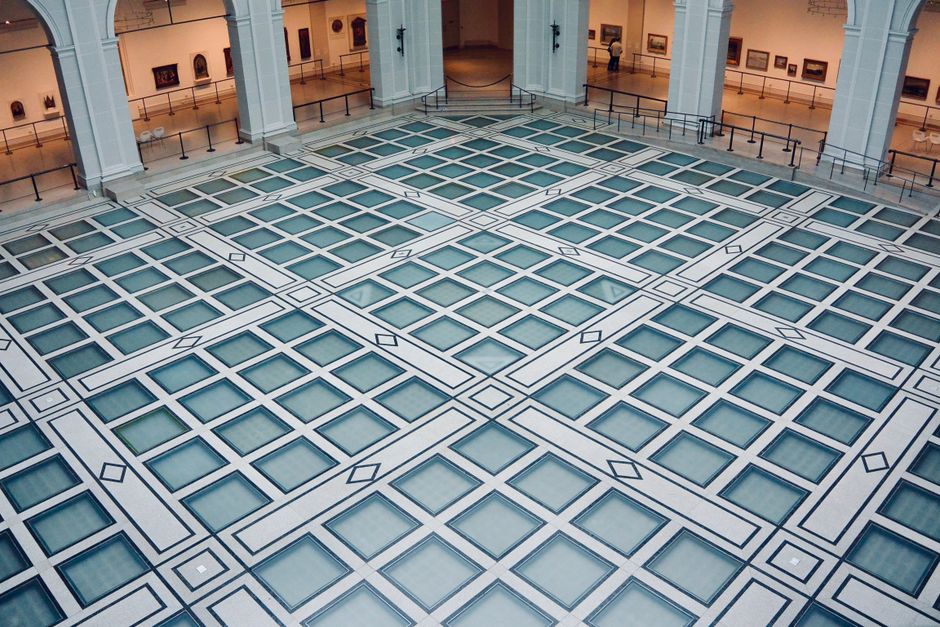
Data from the New York City Department of Cultural Affairs confirms that operating costs for these public programs have risen by nearly $45 million over the last three fiscal years due to increased security requirements and climate-adaptive infrastructure. Despite these rising costs, the entry threshold remains at zero dollars for institutions like the Brooklyn Museum, which maintains a suggested donation policy, and the New York Public Library’s branch system, which hosts over 90,000 free programs annually. Residents are now prioritizing these institutional staples over commercial venues, where the average price for a baseline ticketed event in Manhattan rose to $142 in June 2026. This shift reflects a tactical retreat from the high-priced nightlife of the Lower East Side and toward the stable, low-cost utility of city-funded galleries and green spaces.
For those looking to avoid the crushing crowds of the midtown fireworks, the best approach is to pivot toward the outer borough waterfronts. The Staten Island Ferry remains a perennial free transit experience, providing a vantage point that would cost $60 on a private sightseeing boat. Meanwhile, the Queens Public Library system continues to offer free passes to dozens of local cultural organizations through their Culture Pass program, provided you have a valid library card. If you are planning an outing this weekend, check the updated schedules for the New York City Parks department website before 10:00 a.m., as heat-related alerts have forced several venue shifts this week to accommodate safety protocols for the thousands expected to attend.
How does this story make you feel?
Spread the word
About this article
Published by The Daily New York
Daily brief
Free, in your inbox before 7am. Weekdays.
More in culture