Inside the Community and Movement Driving Free Culture in New York City
From grassroots organizers to city programs, a wave of initiatives is reshaping how New Yorkers experience arts and culture without spending a dime.
From grassroots organizers to city programs, a wave of initiatives is reshaping how New Yorkers experience arts and culture without spending a dime.
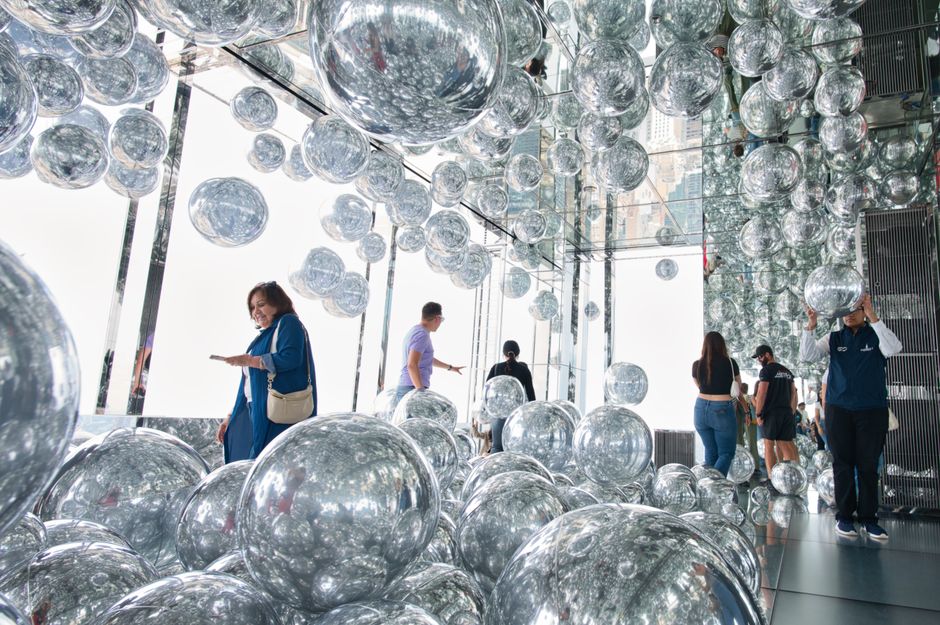
New York City’s cultural landscape is undergoing a quiet revolution: a surge in accessible, free cultural offerings powered by community-led initiatives and citywide support. This broader movement is making arts and entertainment available to residents and visitors across the five boroughs without the usual price tag, shifting the traditional model of high-cost cultural consumption.
The timing of this shift is critical. After years of pandemic disruptions and rising living costs, many New Yorkers are seeking ways to engage with culture that don’t add to their financial burdens. Libraries, community centers, and local nonprofits have amplified their efforts, while the city government has expanded programs to broaden access. This transformation underscores a growing recognition that cultural participation is a public good essential to community wellbeing and social equity.
At the heart of this cultural shift is a network of grassroots organizations like the Arts Engage NYC collective, a coalition of local artists and activists coordinating free performances and workshops throughout neighborhoods such as Bushwick in Brooklyn and Harlem in Manhattan. They partner with cultural landmarks including the Brooklyn Public Library’s Central Branch, which offers regular free film screenings and art talks, and the Bronx Museum of the Arts, known for its free admission policy and community-driven programming that highlights underrepresented voices.
Events like the weekly SummerStage series in Central Park, supported by the City Parks Foundation, and the Scatter Festival in Queens both serve as hubs to showcase music, dance, and visual arts accessible to all. These programs often rely on volunteers and small grants, emphasizing community involvement and inclusion as much as artistic quality.
According to a recent report by the New York City Department of Cultural Affairs, from 2023 to 2025 the number of free public cultural events has increased by nearly 30%, reaching over 4,500 annually. Attendance growth for these events also mirrors the trend, with an estimated 2 million participants engaging in free cultural programming citywide last year alone. Surveys indicate that 65% of New Yorkers prefer attending cultural events where no ticket fee is required, citing cost and accessibility as primary factors.
Moreover, the city’s budget for cultural programs allotted an additional $5 million in 2026 specifically for expanding free offerings, a move supported by Mayor Hudson’s Office of Cultural Affairs. This investment directly fuels expanded hours for public institutions and subsidies for community arts groups to organize no-cost events.
The popularity of free cultural experiences also correlates with demographic shifts; recent immigrants and low-income residents constitute a substantial portion of audiences drawn to these initiatives, reflecting a purposeful opening of doors within New York’s diverse population.
Looking forward, new platforms like the “Culture Pass NYC” app aim to map free and low-cost cultural activities across boroughs in real time, making it easier for New Yorkers to find events near them. Meanwhile, organizations like the New York Foundation for the Arts have launched grant programs encouraging artists to embed their work in underserved communities free of charge.
For those eager to participate, the city’s official calendar at nyc.gov/arts offers a regularly updated schedule of free events. Visiting local cultural hubs such as the Queens Public Library or attending open-air concerts at Prospect Park are just a couple of ways to tap into this growing movement. Even on tight budgets, the city’s cultural pulse beats strongly, proving that accessible art and shared experiences remain central to New Yorkers’ quality of life.
How does this story make you feel?
Spread the word
About this article
Published by The Daily New York
Daily brief
Free, in your inbox before 7am. Weekdays.
More in culture