Inside New York’s Free Cultural Scene: The Creators Behind the Curtain
From community leaders to artists, discover who made NYC’s vibrant free events possible and why they matter more than ever.
From community leaders to artists, discover who made NYC’s vibrant free events possible and why they matter more than ever.
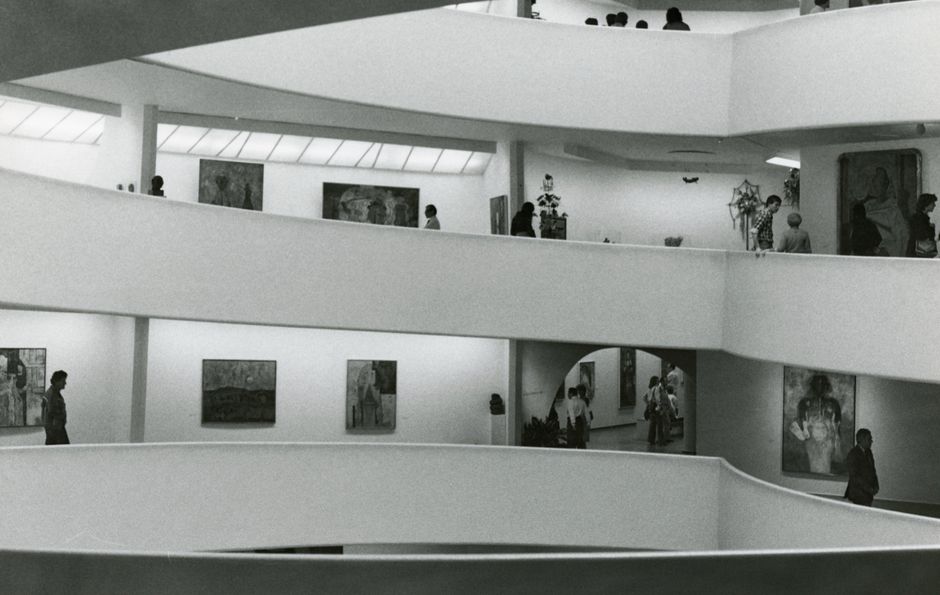
New York City offers hundreds of free cultural events every week, from outdoor concerts in Brooklyn’s Prospect Park to open mic nights in Harlem’s historic Apollo Theater lobby. But these moments of shared creativity and celebration rely not just on city funding, but on the tireless work of local artists, community organizers, and grassroots groups who bring them to life.
With economic pressures and rising costs sparking concerns about access to culture, these free programs serve as vital lifelines for New Yorkers hungry for art and connection. As the city marks its recovery phase from the pandemic and inflation hurdles, spotlighting the stories of those keeping culture affordable reminds us why free public access remains crucial.
Organizations like the DCLA (Department of Cultural Affairs) continually expand programs such as SummerStage, which celebrated its 40th anniversary last year, offering free concerts in parks across all five boroughs. In Washington Square Park, the Washington Square Outdoor Art Exhibit, managed by a volunteer board, has provided a platform for emerging artists for more than 60 years. At the same time, community organizers like those behind the Bronx’s South Bronx Culture Trail champion neighborhood-led events that spotlight local talent in murals, dance, and theater—all free to attend.
These spaces are more than just venues. They’re hubs where artists, many from underrepresented communities, share stories, forge networks, and maintain traditions. Their creators often navigate limited budgets and logistical challenges, applying for countless grants and negotiating with city officials to keep these programs alive without compromising accessibility.
In 2025, DCLA reported that free cultural events reached over 6 million attendees citywide, a 15% increase from 2023. The average cost to produce a single SummerStage event hovers around $50,000, typically covered through a mix of public funds, corporate sponsorships, and donations. The pace of inflation has squeezed many non-profits’ budgets—the New York Foundation for the Arts noted a 12% rise in operational costs last year—making the sustained production of free events a feat of resourcefulness and community goodwill.
A 2026 survey by the New York City Cultural Affairs office found that 72% of free event organizers rely heavily on volunteer labor, often tapping artists themselves as coordinators. This grassroots effort keeps programming accessible but also highlights a workforce often stretched thin and underrecognized.
For example, the Jeannette Watson New Deal for Culture initiative recently allocated $3 million to support such grassroots organizations, prioritizing projects in historically marginalized neighborhoods like East New York and the South Bronx. These investments target not only event funding but also capacity-building to empower creators and ensure sustainability.
To experience a slice of New York’s free cultural bounty this summer, visitors and residents can check out Bryant Park’s free film screenings on Wednesdays or attend the weekly Harlem Meer Performance Festival at Central Park’s northern end, both welcoming thousands every season with no admission fee.
For those wanting to dig deeper, many of the free events are listed on the NYC Parks website or the Time Out New York app, which also offer insights into the people and histories behind the programming. By supporting these grassroots culture-makers—whether by attending, volunteering, or donating—New Yorkers invest directly in the ongoing story of a city that believes culture should never have a price tag.
How does this story make you feel?
Spread the word
About this article
Published by The Daily New York
Daily brief
Free, in your inbox before 7am. Weekdays.
More in culture