Free NYC: Locals Reveal Must-See Highlights Without Spending
Navigating the city's vast cultural and public offerings without opening your wallet requires a local's touch.
Navigating the city's vast cultural and public offerings without opening your wallet requires a local's touch.
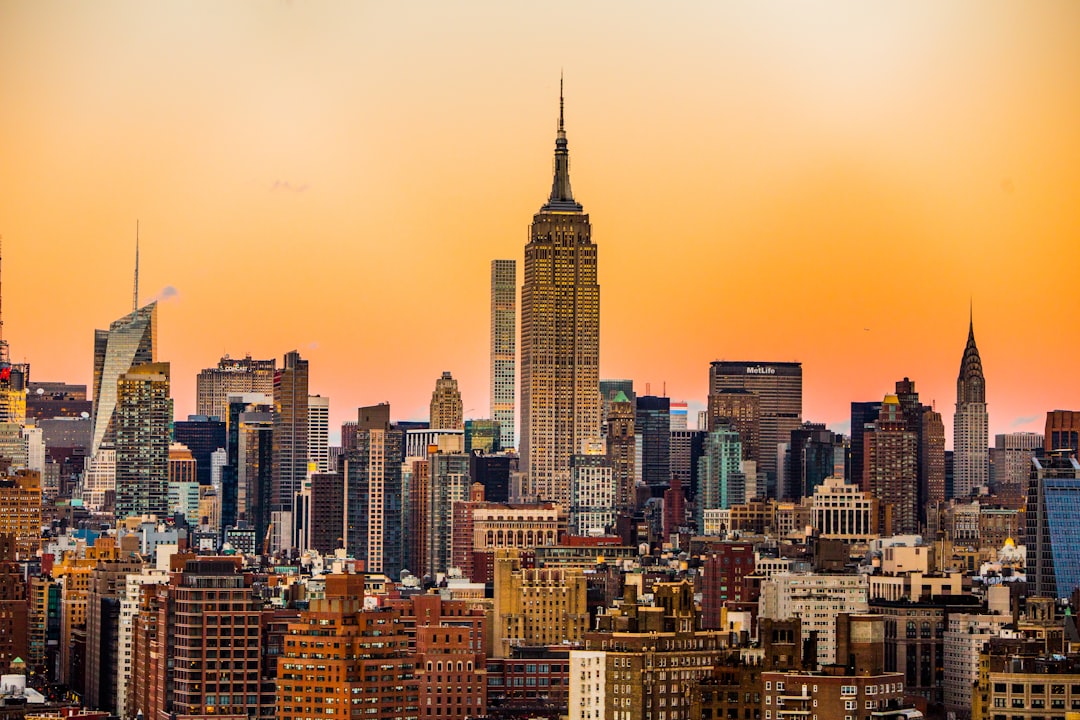
New York City remains one of the few global capitals where a high-density, high-quality itinerary can be constructed entirely without a ticket price. As the summer heat settles over the concrete canyons, visitors looking to avoid the traditional tourist surcharges are finding that the city’s best assets are increasingly found in its public parks, open-air galleries, and municipal institutions. Navigating the city effectively requires knowing which programs are currently active and where the baseline costs remain at zero.
The most reliable way to experience the city without cost is to lean into the offerings of the New York Public Library system. Beyond the historic Stephen A. Schwarzman Building on Fifth Avenue, which remains a cornerstone of midtown research, branches across all five boroughs host rotating exhibitions and public lecture series. For those prioritizing outdoor activity, the High Line-an elevated park built on a historic freight rail line-serves as the preeminent example of urban adaptive reuse in Manhattan. Walking the path from the Gansevoort Street entrance in the Meatpacking District through to West 34th Street offers a vantage point of the city's architecture that is functionally impossible to replicate from street level.
For art enthusiasts, the strategy has shifted from traditional paid admission galleries toward the city’s robust collection of public art installations and community-run spaces. The Public Art Fund frequently collaborates with the New York City Department of Parks and Recreation to rotate sculptures and installations throughout places like Brooklyn Bridge Park and City Hall Park. These installations are accessible daily, providing an open-access aesthetic experience that does not rely on membership tiers or timed-entry bookings.
While the label of 'free' is often attached to these experiences, visitors should remain aware that seasonal demand impacts accessibility. According to data provided by NYC & Company, tourism volume in the city saw steady performance throughout the first half of 2026, which can lead to localized congestion at major transit hubs and popular waterfront promenades. It is standard for major cultural institutions to maintain 'suggested' donation policies for general residents, though visitors should verify current policies via the official websites of the Metropolitan Museum of Art or the American Museum of Natural History before planning their arrival.
Practical advice for the budget-conscious traveler remains rooted in mobility. The Metropolitan Transportation Authority maintains a consistent fare structure for the subway system, allowing for cross-borough travel that connects free, localized hubs like the waterfront views at Domino Park in Williamsburg or the diverse street-level cultural heritage of the Bronx’s Arthur Avenue. For those planning a multi-day visit, the best practice is to cluster activities by neighborhood to minimize transit spend while maximizing time spent in public green spaces. Always check the official website of the NYC Parks department for updated event schedules, as pop-up festivals and municipal programming frequently update throughout the remainder of July.
How does this story make you feel?
Spread the word
About this article
Published by The Daily New York
Daily brief
Free, in your inbox before 7am. Weekdays.
More in culture