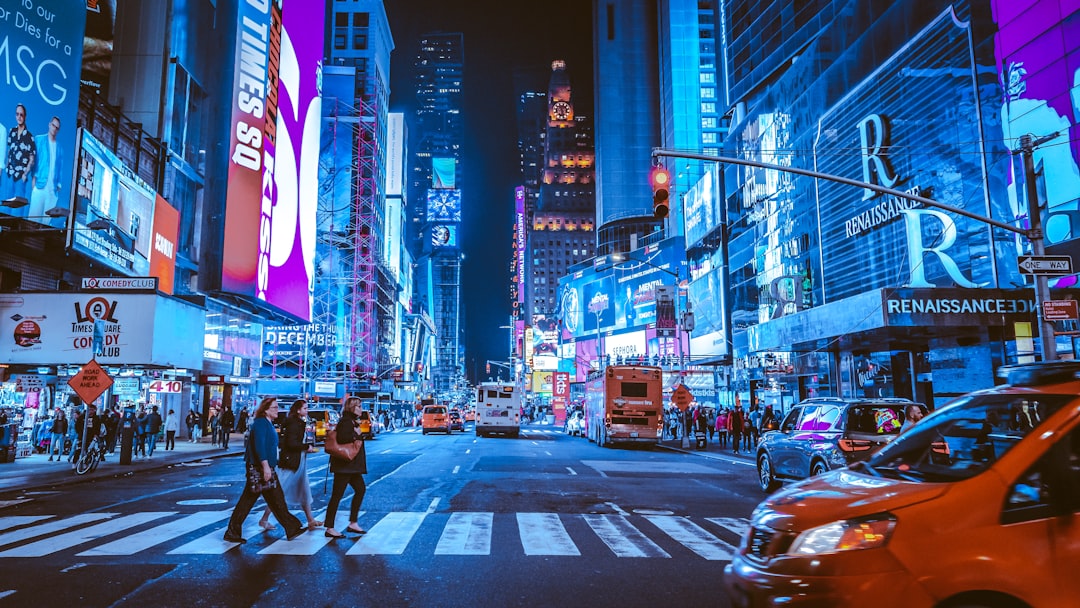
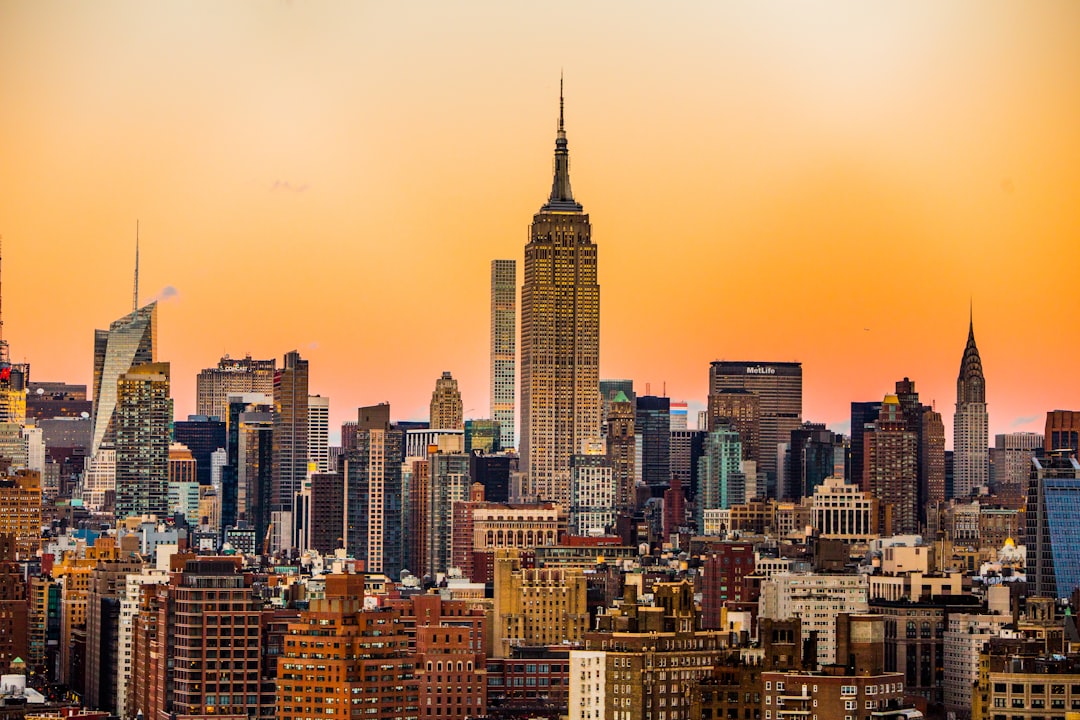
New York's Free Summer Stage Celebrates 250 Years of Accessible Culture
While the city marks its 250th year, the push to keep New York's cultural life accessible remains a grassroots labor of love.
While the city marks its 250th year, the push to keep New York's cultural life accessible remains a grassroots labor of love.
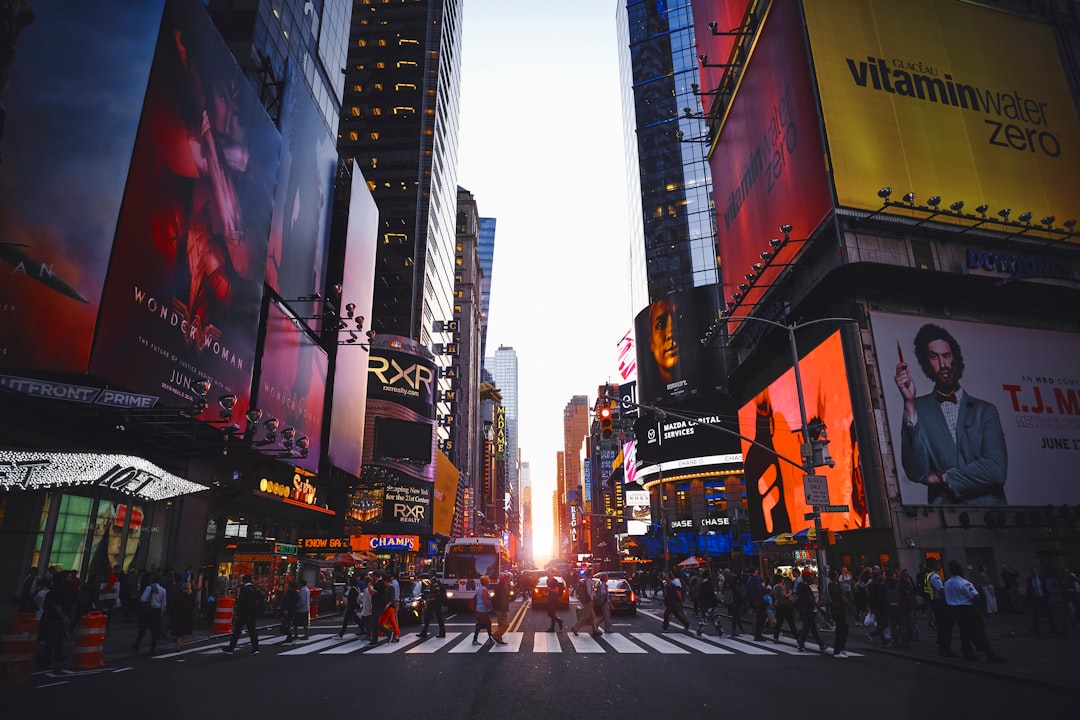
New York City’s public cultural calendar is currently at its most crowded point of the year, with free programming stretching from the Battery to the Bronx. While tourists often fixate on the cost of Broadway tickets, the city’s summer identity is defined by the open-air stages that operate entirely on shoestring budgets and the persistence of local organizers. This season, groups like the City Parks Foundation and the Lincoln Center’s Summer for the City initiative have focused on shifting the narrative from high-priced exclusivity to communal access.
The machinery behind this effort is rarely visible to the average concertgoer standing on the Great Lawn or the plaza at Damrosch Park. At the SummerStage program in Central Park, planning typically begins eighteen months in advance. According to internal scheduling records from the City Parks Foundation, the organization manages over 80 events across all five boroughs, a logistical feat requiring constant coordination with the New York City Department of Parks and Recreation. It is a model rooted in the 1980s, when local activists sought to reclaim public spaces for neighborhood-level performances rather than keeping arts restricted to concert halls like Carnegie Hall.
The effort to maintain free access is a response to the city’s rising cost of living, which has become a central point of discussion among local cultural advocates during this July 4th holiday weekend. Data released by the New York City Economic Development Corporation suggests that arts and culture contribute over $100 billion to the city’s economy, yet the survival of free programming is increasingly reliant on a mix of municipal grants and private philanthropic support. The Summer for the City festival, for instance, maintains a 'pay-what-you-wish' entry for its marquee events, a policy designed to prevent the financial barriers common at private venues in Manhattan.
Security and sanitation costs are the primary stressors for these free programs. When the Lincoln Center produces its outdoor programming, they must coordinate with the New York Police Department’s 20th Precinct to manage crowd flow along Columbus Avenue. These arrangements are often the difference between a successful performance and a noise-complaint shutdown. Furthermore, the reliance on seasonal labor to staff these stages has become more expensive since the minimum wage adjustments took effect in New York state, forcing organizations to seek creative solutions for equipment transport and stage setup in dense neighborhoods like Williamsburg and Inwood.
For those looking to navigate the current season, the most reliable way to find consistent programming remains the NYC Arts portal, which lists nearly 400 events spanning from now until the end of September. If you are planning a visit this week, expect tighter bag checks at major park entrances due to the high volume of public events coinciding with the city's 250th-anniversary celebrations. Check the Parks Department website for the most recent updates on event cancellations, as extreme weather patterns this July have already forced several rescheduling decisions at venues like the Lena Horne Bandshell in Prospect Park.
How does this story make you feel?
Spread the word
About this article
Published by The Daily New York
Daily brief
Free, in your inbox before 7am. Weekdays.
More in culture