culture
Discover New York's 10 Best Markets for Local Food and Crafts
From historic culinary landmarks to open-air artisanal collectives, navigating the city's marketplace scene requires knowing exactly where to find the best local offerings.
How we reported this
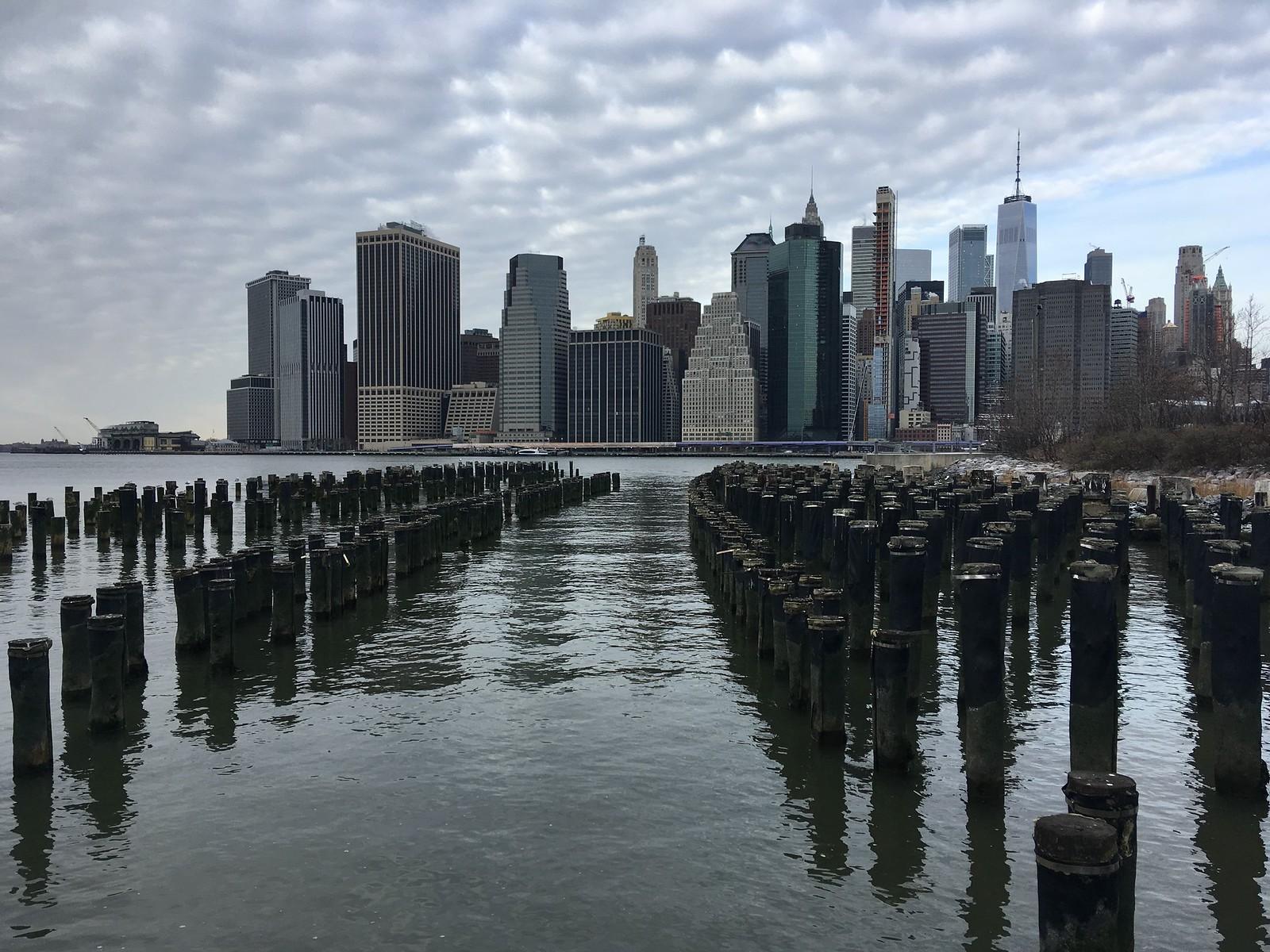
New York City’s market scene has undergone a transformation in recent years, pivoting from strictly essential food purveyors to dynamic cultural hubs that anchor their respective neighbourhoods. For the visitor, these locations serve as a primary lens through which to view the city’s evolving palate, combining traditional commerce with the rising influence of independent artisans.
Historic Anchors and Culinary Icons
Chelsea Market, situated on 9th Avenue in the Meatpacking District, remains the standard-bearer for the city’s indoor marketplace experience. Occupying the former National Biscuit Company factory complex, the site continues to host a diverse array of vendors, ranging from artisanal sourdough bakeries to specialized spice merchants. Further downtown, the Essex Market in the Lower East Side offers a more localized perspective. Managed by the New York City Economic Development Corporation, this facility houses legacy tenants alongside newer culinary entrepreneurs, maintaining a direct connection to the neighbourhood’s immigrant roots.
These sites serve a functional purpose beyond tourism. They provide essential infrastructure for small-scale food production and retail that is increasingly squeezed out by high commercial rents in the borough. Visitors should note that while these spaces offer global cuisines, the most authentic experiences are found by seeking out products sourced directly from regional suppliers who operate stalls within the main concourses.
Navigating Market Culture
For those seeking seasonal open-air shopping, the Union Square Greenmarket operates on North and West sides of Union Square Park, with schedules fluctuating depending on the time of year. Unlike the permanent indoor markets, this venue provides a direct link to the regional agricultural cycle, featuring produce from farms across the Hudson Valley. According to data provided by GrowNYC, the organization that manages these greenmarkets, the network supports dozens of regional producers, connecting farmers to urban consumers through a recurring schedule that typically spans Monday through Saturday.
When visiting these locations, timing is a critical factor for success. The weekend mornings at Chelsea Market are often crowded, making early arrival the most practical strategy for those looking to sample specialty goods without significant wait times. At Essex Market, visitors can utilize the lower levels to explore smaller, specialized grocers that often go unnoticed by those stopping only at the main-level eateries. Prices at these markets vary widely based on the complexity of the offering, though basic pantry staples remain competitive with mid-tier retail outlets. Before heading out, check the official websites for the New York City Economic Development Corporation or GrowNYC to confirm holiday hours, as municipal oversight can influence operational windows.