culture
New York's Public Spaces Evolved From Gilded Age Parks to Today
From the Gilded Age parks to the modern era of programming, the blueprint for free public space in New York has moved toward a model of hyper-curated accessibility.
How we reported this
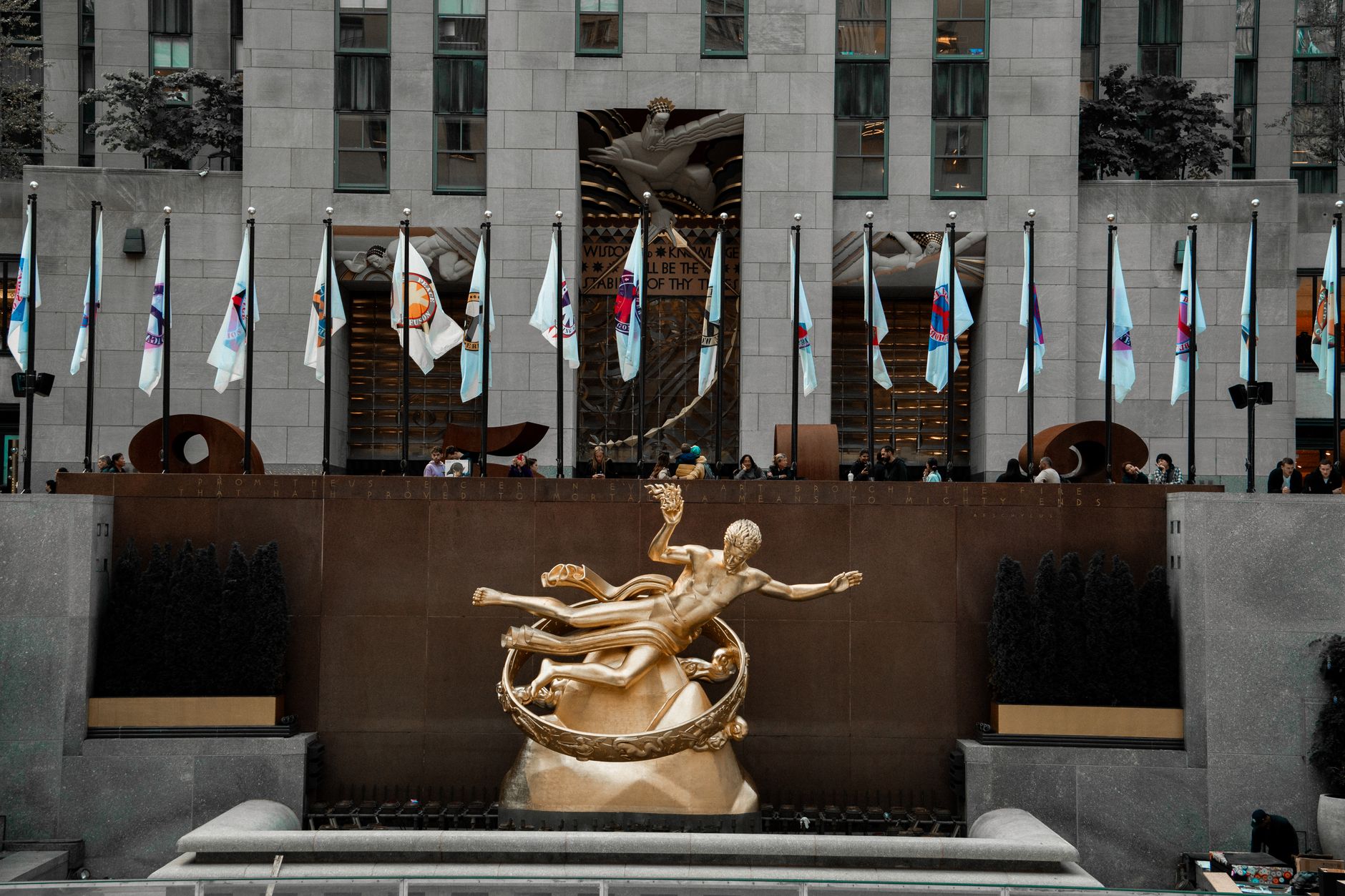
New York’s commitment to providing zero-cost cultural and recreational access remains a pillar of the city’s civic identity, even as private development continues to reshape the landscape. While the cost of living fluctuates, the institutional backbone-ranging from public libraries to expansive park systems-has adapted by formalizing access to art, nature, and programming that once relied on informal neighborhood usage.
The Shift Toward Programmed Public Space
The history of free access in the city is rooted in the 19th-century vision of park designers like Frederick Law Olmsted and Calvert Vaux. Their work on Central Park in Manhattan and Prospect Park in Brooklyn established the baseline for municipal-funded leisure. However, the contemporary evolution of this scene has moved away from passive green space toward highly managed, event-driven environments. Organizations such as the Bryant Park Corporation have refined this model, transforming formerly underused urban corners into centers for free outdoor films, yoga classes, and reading rooms. This evolution reflects a broader trend of public-private partnerships taking the lead in maintaining safe and active environments across the five boroughs.
Cultural institutions have similarly recalibrated their outreach. The New York Public Library system, which operates 92 branches across the city, now serves as an essential nexus for digital literacy and programming beyond its traditional role as a book lender. Across the river, the Brooklyn Museum has sustained its commitment to community access through various public initiatives, ensuring that the burden of entry fees does not prevent engagement with world-class collections. This programmatic approach ensures that free access is not merely the absence of a ticket booth, but a deliberate effort to provide social infrastructure to residents of every zip code.
Fiscal Realities and Future Access
Data from the New York City Department of Cultural Affairs underscores the scale of this investment, which supports hundreds of organizations annually. As of the current fiscal year, the city remains one of the largest municipal funders of the arts globally, a reality that keeps many museum doors open to the public. For residents, this manifests in the "Culture Pass" program, which allows library cardholders to reserve free entry to dozens of museums and historical sites, effectively lowering the financial barrier for families and students. These initiatives rely on a complex intersection of private endowment and municipal budget allocations, making them vulnerable to shifting political priorities at City Hall.
The next phase of the city’s free leisure scene will likely focus on the expansion of infrastructure in outer-borough neighborhoods. As residents look for ways to occupy their weekends without the premium price tags often associated with Manhattan nightlife, the demand for local, high-quality programming has intensified. Those interested in accessing current offerings should monitor the calendars maintained by NYC Parks or check the specific listings at their neighborhood library branches. By leveraging existing municipal assets, the city maintains a competitive cultural edge that serves a diverse demographic, regardless of personal economic shifts.