culture
New York's Free Cultural Programs Transform Access Across All Neighborhoods
From the Bronx to Brooklyn, the city’s most accessible experiences are the result of long-standing civic initiatives and the persistent advocacy of local cultural stewards.
How we reported this
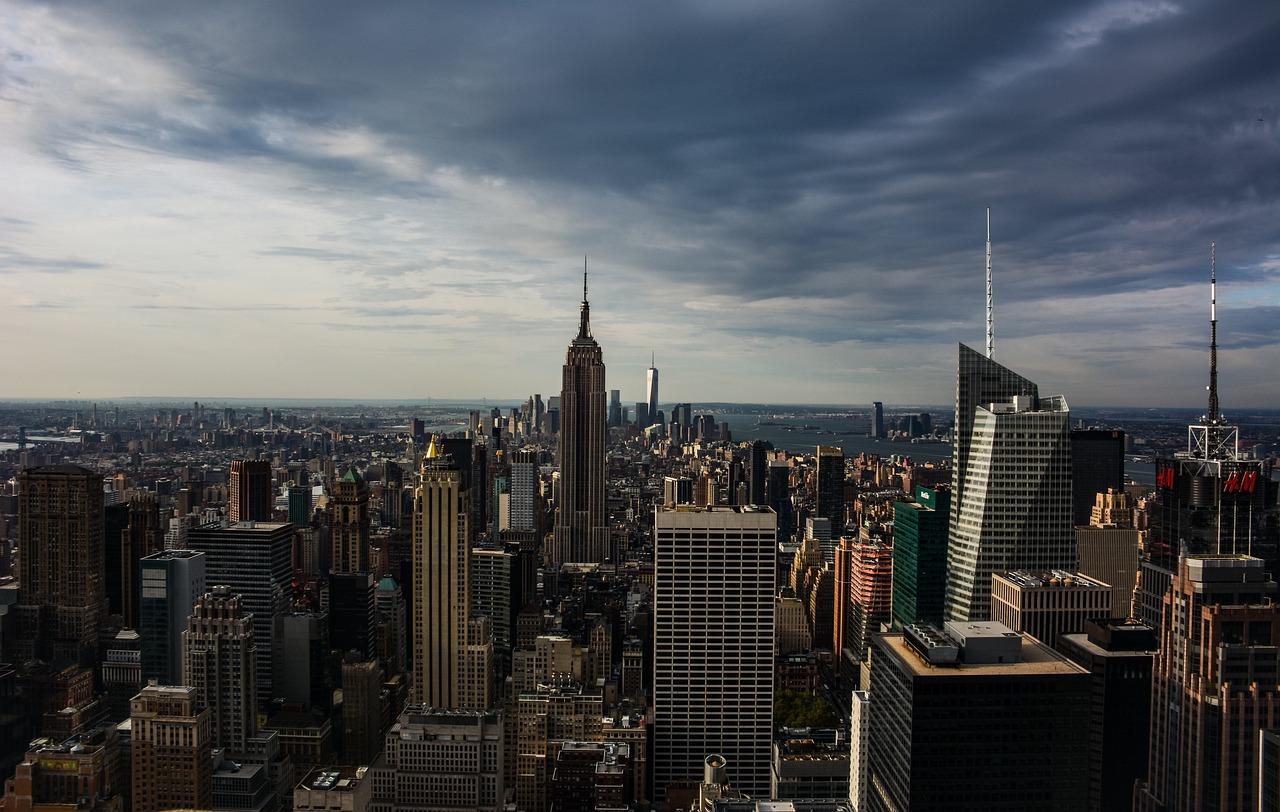
New York City’s reputation for exclusivity often crumbles at the front doors of its most cherished cultural institutions, where community-led programs continue to provide free access to world-class art and public spaces. The current wave of public programming, visible from the sun-drenched lawns of Governors Island to the historic reading rooms of the New York Public Library, serves as a counterweight to the rising costs of city living, rooted in an established ethos that the city’s intellectual and artistic life belongs to the public.
The Architects of Accessibility
The history of these programs is often tied to the personal advocacy of museum trustees and local neighborhood organizers who pushed for deeper community integration. At the Bronx Museum of the Arts, the commitment to free admission stems from a foundational mission to serve the surrounding Grand Concourse community, ensuring that the borough’s residents maintain a direct link to the international art market. Similarly, the Municipal Art Society of New York has played a persistent role in preserving public access to historic sites, transforming once-private urban corridors into public-facing landmarks through decades of zoning negotiations and archival stewardship.
Public Programs in Practice
In midtown Manhattan, the Stavros Niarchos Foundation Library on Fifth Avenue provides a modern evolution of the public commons, hosting free literacy programs and high-speed research facilities that remain staples of the city’s democratic infrastructure. These spaces function not merely as archives, but as active community centers, requiring constant maintenance and oversight from professional staff who advocate for city budget allocations during the annual fiscal cycles. The persistence of these programs is supported by public-private partnerships, such as those maintained by the Prospect Park Alliance, which organizes free concert series and environmental tours in Brooklyn, relying on a mix of municipal funding and private endowment.
As of the most recent New York City Department of Cultural Affairs fiscal reporting, public funding for cultural programming across the five boroughs remains a critical component of the annual budget, supporting over 1,000 non-profit organizations. Visitors and residents looking to engage with these resources should consult the official websites of the NYC Department of Cultural Affairs or individual institution calendars, as many programs now require advance registration to manage foot traffic. For those seeking to utilize these services throughout the remainder of the summer, checking the specific 'free admission' windows at major museums-often scheduled for Friday evenings or specific monthly days-remains the most effective way to navigate the city’s dense cultural landscape without incurring costs.