culture
New York Built Free Culture From WPA Murals to Digital Access Today
From the WPA murals of the 1930s to the digital accessibility of modern public programming, the city’s commitment to free culture remains a vital municipal pillar.
How we reported this
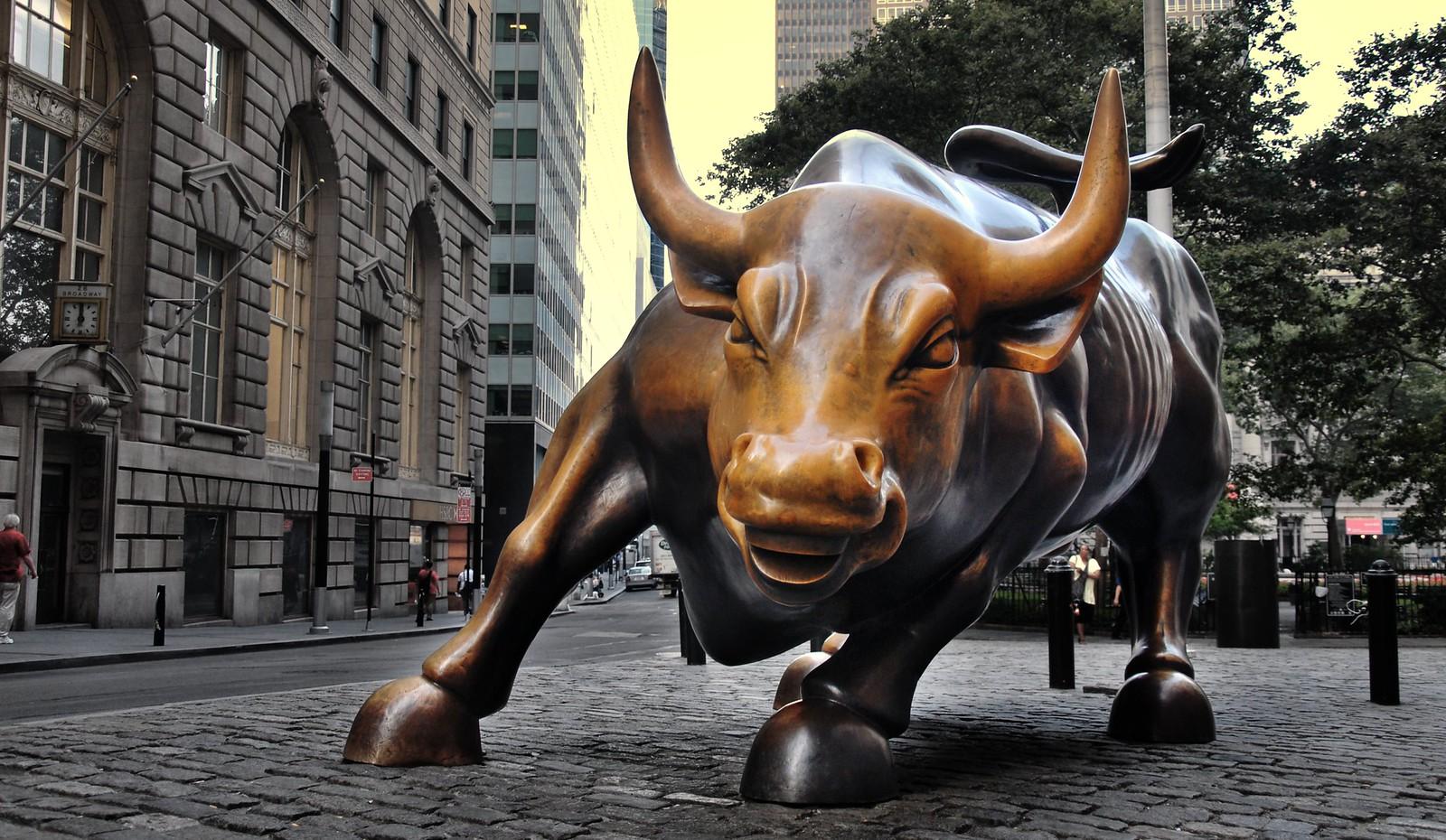
New York City’s identity as a global cultural capital has long been anchored by an informal, yet pervasive, social contract: access to the arts should not be limited by the size of one’s wallet. While the city’s commercial venues often command high price points for entry, the tradition of civic-funded and community-led programming remains a cornerstone of the metropolitan experience. From the sprawling lawns of Central Park to the quiet corners of the New York Public Library, the evolution of free public programming has shifted from early 20th-century social reform efforts toward the sophisticated, tech-integrated public space management observed in 2026.
A Legacy of Public Access
The roots of this commitment stretch back to the Great Depression, when the Works Progress Administration (WPA) channeled federal funding into public murals, concerts, and theater productions across the five boroughs. Projects that began as economic relief measures transformed into a permanent expectation that New Yorkers hold regarding their urban environment. Today, this philosophy manifests in institutional pillars like the SummerStage program, which brings high-profile musicians to parks in neighborhoods from Harlem to the Lower East Side without a ticket requirement. Similarly, the Cooper Hewitt, Smithsonian Design Museum on the Upper East Side has long maintained a reputation for testing new models of community engagement, reflecting a broader shift toward making world-class collections permeable to the general public.
The evolution of this scene is currently defined by a move away from passive observation toward active digital participation. Organizations like the Brooklyn Museum, which has experimented with various pay-what-you-wish models and targeted free admission days, are navigating the complexities of sustaining large-scale operations while maintaining deep roots in local communities. According to the New York City Department of Cultural Affairs, the city’s commitment to these programs remains robust, with specific funding allocations supporting more than 1,000 cultural non-profits that prioritize equitable access across the metropolitan area.
The Modern Landscape
Data indicates that demand for these public-facing services is at an all-time high. Public transit records and municipal park usage reports suggest that the accessibility of free outdoor concerts and neighborhood walking tours in areas like Greenwich Village and the South Bronx provides a necessary relief valve for a population balancing high living costs with a desire for cultural stimulation. The municipal government continues to track these metrics to ensure that the distribution of free programming aligns with demographic shifts identified in the most recent census data.
For those looking to engage with this evolving landscape, the most practical approach involves consulting the city’s official culture portals or checking the weekly schedules published by the New York Public Library’s branch system. As mid-summer approaches, the density of events-ranging from community gardening workshops in Bed-Stuy to film screenings in Bryant Park-is expected to increase significantly. Residents are advised to bookmark the calendar portals of their local community boards, which often list hyper-local, volunteer-led events that do not gain traction on major national aggregators.