New York's Hidden Renaissance: Why This Summer Is the Best Time for Expats to Arrive
From revitalized waterfront neighborhoods to affordable dining scenes, the city locals have been quietly loving is finally ready for newcomers.
From revitalized waterfront neighborhoods to affordable dining scenes, the city locals have been quietly loving is finally ready for newcomers.
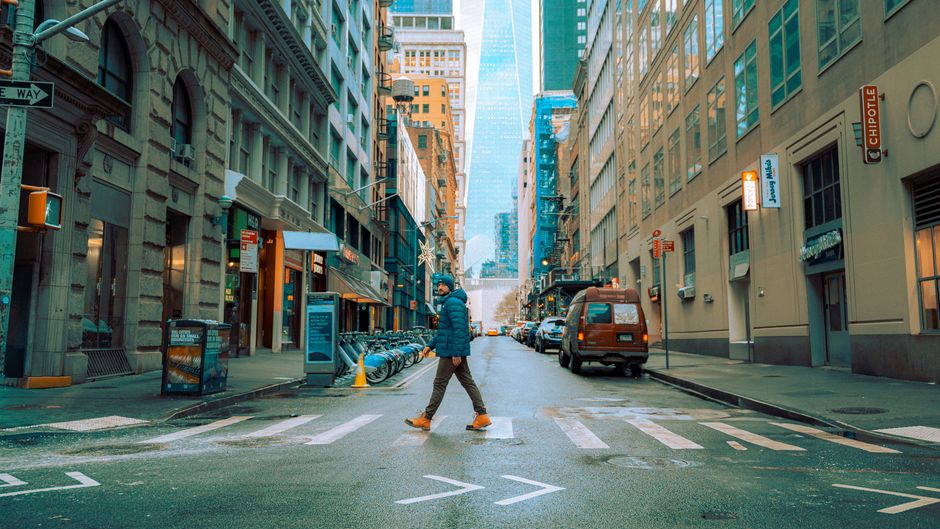
If you've been considering a move to New York, timing matters—and June 2026 happens to be exceptionally good. The city that never sleeps has been undergoing a subtle transformation over the past eighteen months, one that's escaped major headlines but transformed how both longtime residents and newcomers actually live here.
Start with the outer boroughs, where the real momentum is. Williamsburg and Greenpoint have finally stabilized after years of explosive growth, meaning rents have plateaued while amenities have solidified. More importantly, neighborhoods like Astoria in Queens and Sunset Park in Brooklyn—historically working-class areas—have developed robust expat infrastructure without losing their character. The restaurants along Steinway Street in Astoria now reflect a genuinely diverse community rather than a monoculture, with everything from serious Georgian wine bars to Vietnamese pho shops that locals actually frequent.
The waterfront transformation deserves particular attention. Brooklyn Bridge Park and the revitalized Hudson River Greenway have become genuine community anchors rather than Instagram backdrops. Jane's Carousel remains iconic, but it's the everyday use that's changed—locals now spend Sunday mornings here rather than treating it as a tourist obligation. Similarly, the High Line's northern extension has quieted considerably since its peak hype, making it genuinely pleasant again for neighborhood walks.
Financially, the picture is more nuanced. While Manhattan rents remain stratospheric—averaging $3,800 for a one-bedroom in midtown—outer-borough one-bedrooms have settled around $2,200 to $2,600 depending on neighborhood. More crucially, the restaurant and bar scene has shifted dramatically. The explosion of casual, high-quality dining at reasonable prices—particularly along neighborhoods like Nolita and the Meatpacking District's northern edge—means expats aren't forced to choose between authenticity and budget.
New relocation support has also emerged. Organizations like the New York Immigration Coalition have expanded their services specifically for skilled workers and digital nomads, while coworking spaces in Flatiron and Long Island City now function as genuine community hubs rather than corporate machines.
What locals genuinely love right now? The sense that the city has stopped performing for outsiders. The obsessive real estate speculation has calmed. Neighborhoods feel lived-in again. The High Line isn't packed with selfie-sticks. You can actually have conversations in bars without screaming.
For expats arriving now, you're entering a New York that's recalibrated. It's a city settling into itself—less frantic, more genuine, and genuinely better for it.
This article was compiled by AI from the sources linked above and screened before publishing. See our editorial standards.
How does this story make you feel?
Spread the word
About this article
Published by The Daily New York
Daily brief
Free, in your inbox before 7am. Weekdays.
More in lifestyle