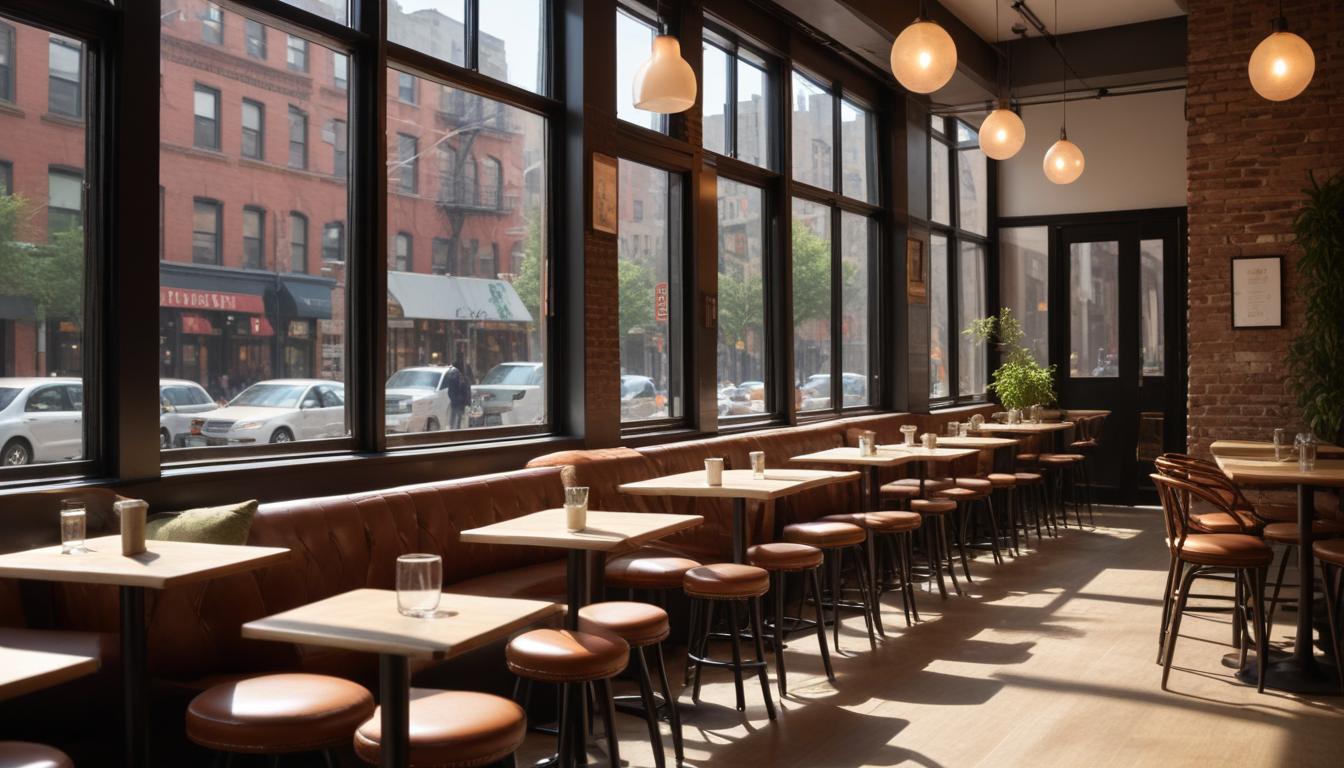
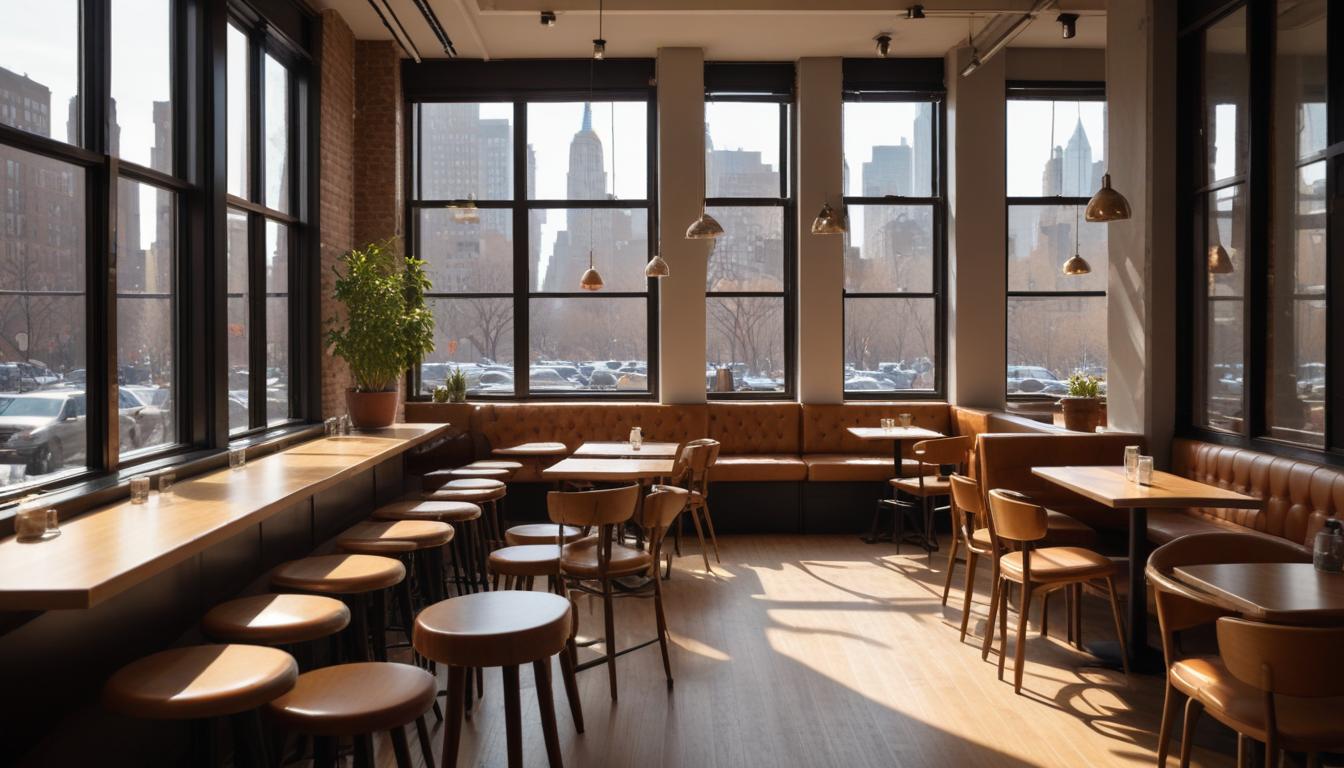
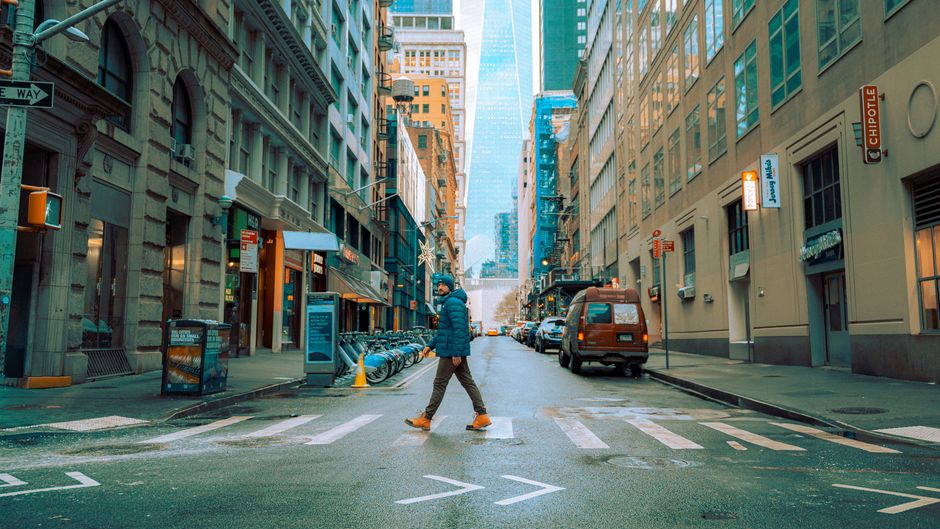
Five years ago, Williamsburg's McCarren Park on a Friday night looked like a sprawling music festival—thousands of twenty-somethings clutching cheap beer, bass-heavy beats rattling windows on North 12th Street. Today, the scene has fundamentally transformed. The neighborhood's bar landscape, long synonymous with Instagram-ready excess and rotating DJ lineups, is quietly evolving into something markedly different: intimate cocktail bars, jazz lounges, and venues designed for conversation rather than conquest.
The shift reflects broader demographic and economic changes reshaping Brooklyn's most famous neighborhood. Rent stabilization laws passed in 2023 have slowed the carousel of young professionals moving in and out every two years. The average age of Williamsburg residents has crept upward to 34, according to recent neighborhood data. These aren't kids seeking velvet-rope exclusivity—they're established professionals wanting substance over spectacle.
This evolution is visible on Kent Avenue, where three new venues opened in the past eighteen months, each calibrated toward this demographic shift. Broken Crow, which opened last fall near the waterfront, serves $16 craft cocktails and hosts quarterly spoken-word events. The Williamsburg Music Hall, which recently underwent renovation, now programs more jazz trios and folk acts than electronic music. Even the corridor along Bedford Avenue—historically dominated by high-volume beer halls—now includes quieter wine bars and natural wine shops that have tripled in number since 2023.
The economics tell the story. According to hospitality consultants tracking the neighborhood, venues with sustainable staffing models and regular clientele are outperforming those dependent on tourist throughput. The days of $12 cocktails and $8 beer are fading; locals now expect quality proportional to price, and they'll pay it. Venues report that weeknight traffic now rivals weekend crowds—a sign that people view bars as regular social infrastructure, not just weekend destinations.
This doesn't mean Williamsburg's nightlife has become sterile. Rather, it's maturing. The neighborhood's cultural institutions—from the Williamsburg Art and Historical Center to smaller galleries clustered around North 6th Street—now partner with bars for events. Trivia nights draw packed crowds. Local artists use basement venues for experimental performances.
For longtime residents who watched the neighborhood's transformation from industrial waterfront to overcrowded party destination, the current moment feels like a recalibration toward sustainability. The question now is whether this version of Williamsburg—more intentional, less transient—can maintain its creative energy without losing its edge entirely.
This article was compiled by AI from the sources linked above and screened before publishing. See our editorial standards.