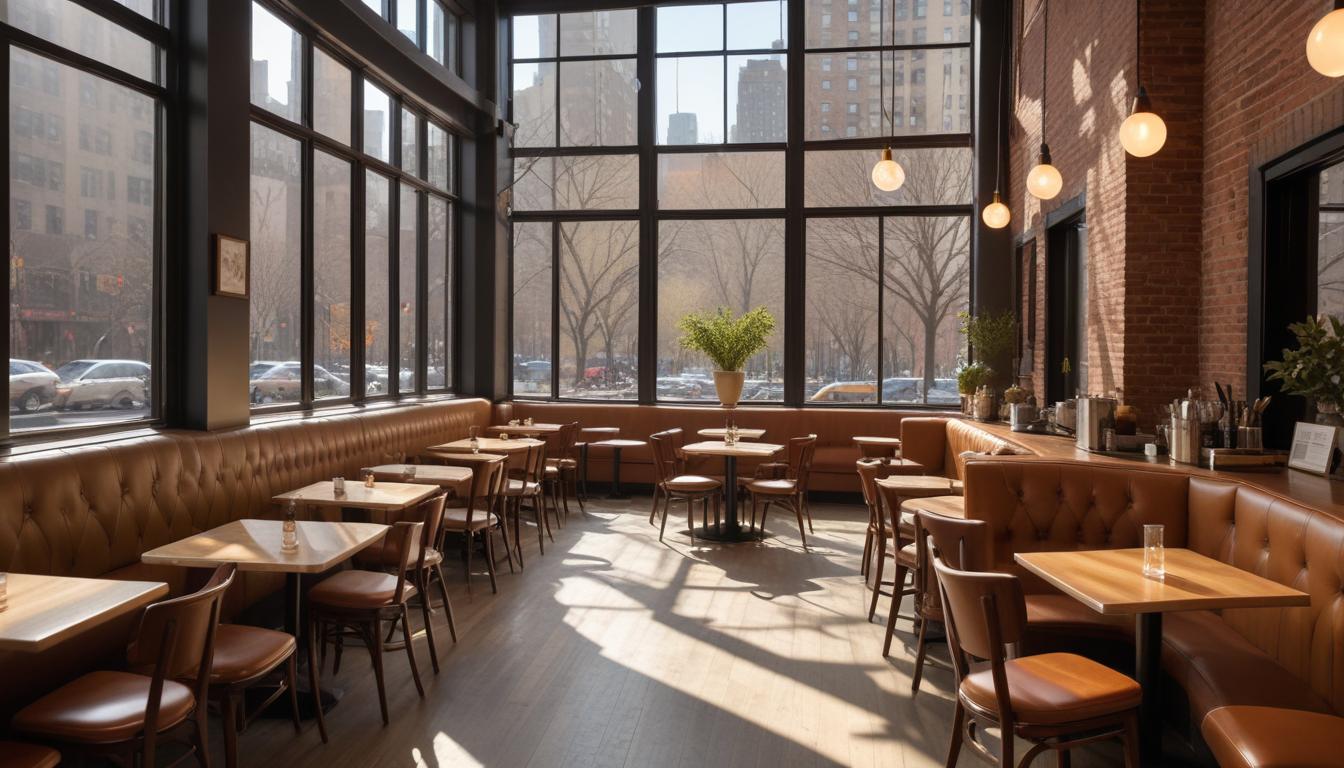
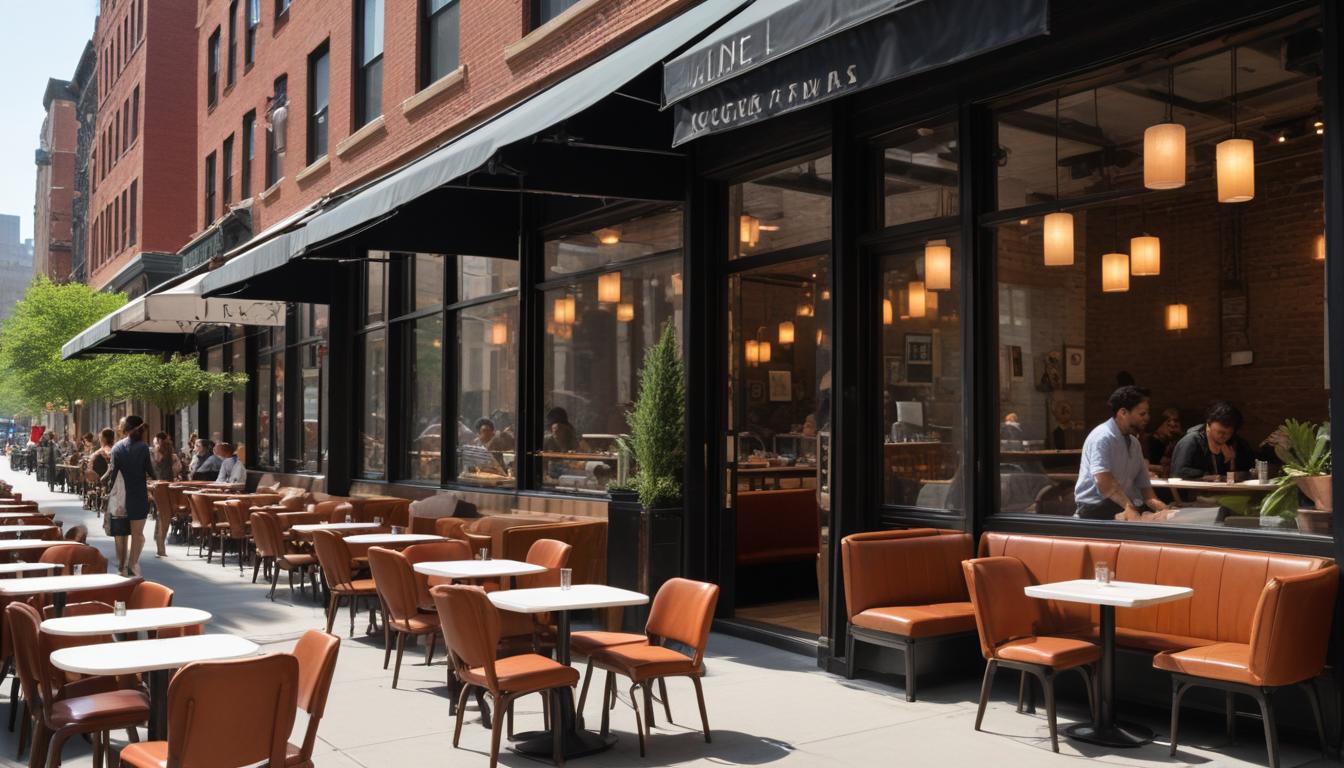
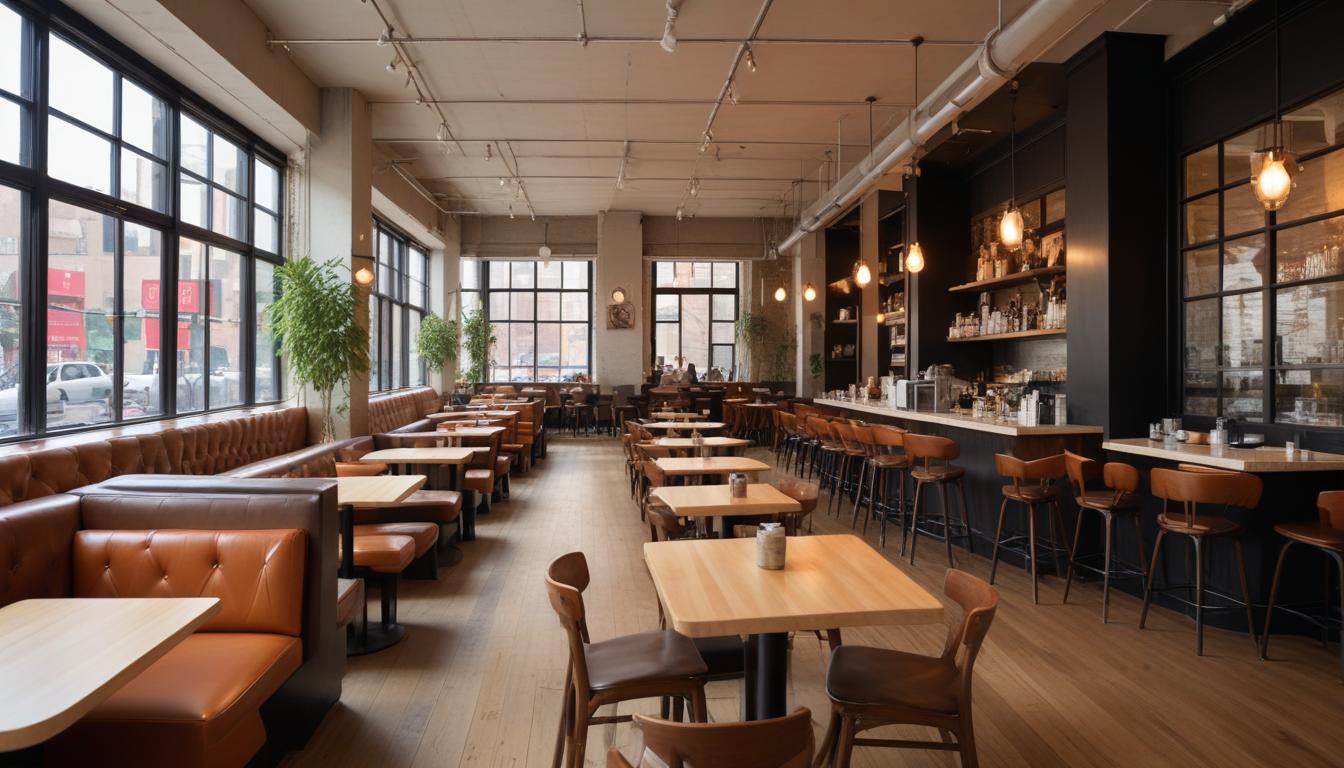
Walk into a dive bar on Eldridge Street on any given Thursday night, and you'll witness something increasingly rare in global cities: a genuine cross-section of society sharing the same sticky-floored space. This democratic ethos—where a hedge fund manager might stand elbow-to-elbow with an artist, a tourist, and a longtime neighborhood resident—sits at the heart of what makes New York's nightlife fundamentally different from the stratified bar scenes of London, Dubai, or even Los Angeles.
Consider the numbers. New York has approximately 14,000 licensed bars operating across its five boroughs, according to the New York State Liquor Authority. That density creates competition that prevents any single neighborhood from calcifying into exclusivity. A cocktail at Employees Only in the West Village might cost $18, while a craft beer at a Williamsburg neighborhood spot runs $7. This price variation doesn't exist in Singapore or Hong Kong, where gentrification has been more total and unforgiving.
The city's geography amplifies this uniqueness. The 1 train connects a rooftop bar overlooking the Hudson in Tribeca with speakeasies in the East Village and dive bars in Spanish Harlem—all within 20 minutes. This vertical integration of neighborhoods, impossible in sprawling cities like Miami or Atlanta, means nightlife communities overlap and intersect constantly. You can experience fundamentally different social ecosystems without leaving Manhattan.
History matters too. Unlike Dubai or Austin, which manufactured nightlife scenes from scratch, New York's bar culture evolved organically from immigration waves, Prohibition contraband networks, and decades of underground music movements. That archaeological depth—the fact that you can drink in spaces with 100-year legacies—creates a texture that newer cities struggle to manufacture.
The programming further distinguishes the scene. On any weekend, you might find live jazz in the Village, Latin night in Washington Heights, drag shows in Hell's Kitchen, and indie rock in Bushwick. This isn't marketing-driven diversity; it reflects actual community. Compare this to Barcelona or Berlin, where nightlife caters increasingly to international tourists following Instagram guides rather than local traditions.
Most crucially: New York's bars remain genuinely unpredictable. A venue can pivot from dive to craft cocktail destination to underground music venue without losing legitimacy. That plasticity—born from the city's restless reinvention and relative cultural chaos—remains its most precious asset. In an era of global homogenization, where the same bottle service lounges appear in every major city, New York's messy, contradictory, eternally evolving bar scene stands genuinely alone.
This article was compiled by AI from the sources linked above and screened before publishing. See our editorial standards.