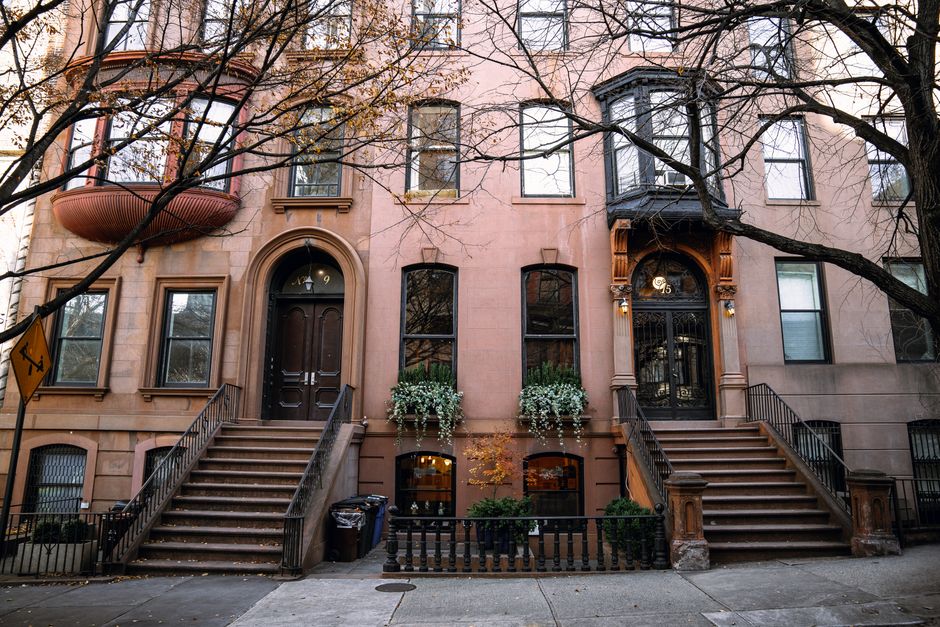
On a June afternoon in Prospect Park, the arithmetic of Brooklyn neighborhood life becomes impossible to ignore. A group of teenagers kicks a soccer ball near Sheep Meadow while nearby, families from Park Slope's tree-lined streets spread blankets on the grass. Further east, along the Prospect Park West promenade, young professionals from the gentrifying neighborhoods bordering the park jog past century-old brownstones, their AirPods sealed firmly in place. Each demographic carves out its own terrain, yet somehow, the 526-acre park remains the great equalizer—a place where Park Slope's old-money aesthetic, Flatbush's immigrant energy, and Prospect Heights' creative renaissance converge without friction.
But Prospect Park is only part of the story. Head north to Williamsburg, where the waterfront has transformed dramatically, and you'll find Domino Park sitting on the bones of a former sugar factory. The industrial aesthetic—exposed brick, soaring timber beams, metal railings—attracts a decidedly different crowd: artists, Instagram-savvy millennials, and newcomers drawn by the neighborhood's ongoing reinvention. A single beer costs $8 at the on-site bar. The neighborhood's character, shaped by Dominican and Puerto Rican communities for decades, now shares space with high-rise condos and rooftop bars. The park itself becomes a lens through which to examine gentrification in real time.
Meanwhile, in Long Island City, Hunter's Point South Park has emerged as a neighborhood anchor in a district defined by rapid development and cultural collision. The 6.5-acre green space—completed in 2013—sits adjacent to luxury residential towers and affordable housing units built through the city's inclusionary zoning requirements. The park's design reflects this tension: contemporary landscaping, dog runs, and community gardens coexist with public art installations that nod to the area's industrial past. Real estate in Long Island City now averages $900,000 for a one-bedroom condo, yet the park remains free and fiercely used by residents across income levels.
What emerges from a tour of these spaces isn't merely an inventory of green acreage. Instead, New York's parks function as social mirrors, reflecting each neighborhood's economic trajectory, demographic composition, and collective aspirations. They reveal who belongs, who's arriving, who's staying, and who's being pushed out—all without a single spoken word. For those willing to observe, Brooklyn's parks tell the complicated, often contradictory story of twenty-first-century New York better than any demographic report ever could.
This article was compiled by AI from the sources linked above and screened before publishing. See our editorial standards.