Walk down Steinway Street on a Saturday evening and you'll witness something remarkable: a neighborhood that has quietly become one of New York's most desirable places to live, without sacrificing the authenticity that made it special in the first place.
Astoria's transformation over the past three years tells a story about how neighborhoods evolve when investment meets community stewardship. Average rents in the area have climbed to around $2,100 for a one-bedroom—steep by Queens standards but still 30 percent below comparable Williamsburg apartments. That affordability gap has become the neighborhood's secret advantage, drawing young professionals, artists, and established families who might have otherwise defaulted to Brooklyn.
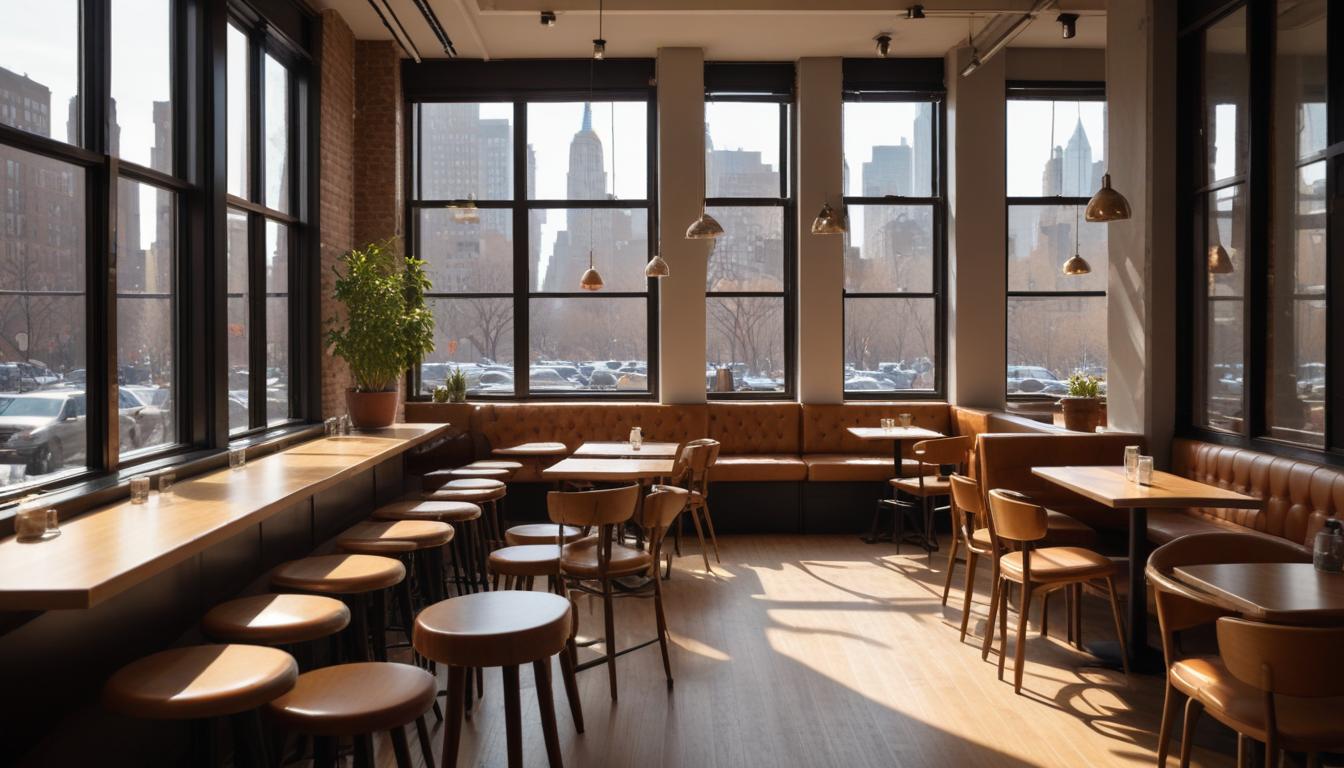
The catalyst? Infrastructure and culture working in tandem. The Long Island City waterfront's continued development pulled attention northward, while simultaneously, Astoria's own cultural institutions—from the Museum of the Moving Image on 36th Avenue to the Socrates Sculpture Park—finally received the local recognition they'd long deserved. Coffee shops started staying open past 9 p.m. The restaurant scene exploded: Michelin-recognized establishments now sit comfortably alongside the family-run Greek tavernas and Latin American spots that have anchored the neighborhood for decades.
What distinguishes Astoria from other gentrifying neighborhoods is how it's managed the delicate balance. The Astoria Houses, the Kaufman Astoria Studios, and longtime family businesses remain woven into the social fabric. Unlike some areas that have shed their character entirely, Astoria feels genuinely multicultural rather than aspirationally diverse. Walk the blocks around Ditmars Boulevard and you'll hear dozens of languages, see storefronts reflecting generations of immigration, and encounter residents who've lived here for 40 years shopping alongside newcomers.
Community organizations have also played a crucial role. The Astoria Community Board and neighborhood groups have actively shaped zoning discussions and development projects, ensuring that growth benefits longtime residents rather than displacing them entirely. This earned legitimacy—that locals have a genuine say—creates social cohesion you can feel.
The neighborhoods that succeed long-term are those that honor their past while embracing their future. Astoria, it seems, has found that equilibrium. Young professionals cite the dinner scene and 20-minute subway commutes. Families appreciate the parks, the schools, and the sense that their children grow up in a genuinely international setting. Long-term residents watch new energy revitalize blocks while their stories remain valued.
That's why Astoria feels different from neighborhoods chasing trendiness. It's simply become itself—better resourced, more noticed, but unmistakably Astoria.
This article was compiled by AI from the sources linked above and screened before publishing. See our editorial standards.