Walk into a vintage bookstore in Paris, a high-street chain in London, or a luxury mall in Dubai, and you'll find excellence. But walk into New York—really walk it, block by block—and you'll discover something different entirely: a retail ecosystem where scarcity meets abundance, where a grandmother's antique shop sits next to a venture-backed sneaker collective, where global trends are born and immediately deconstructed.
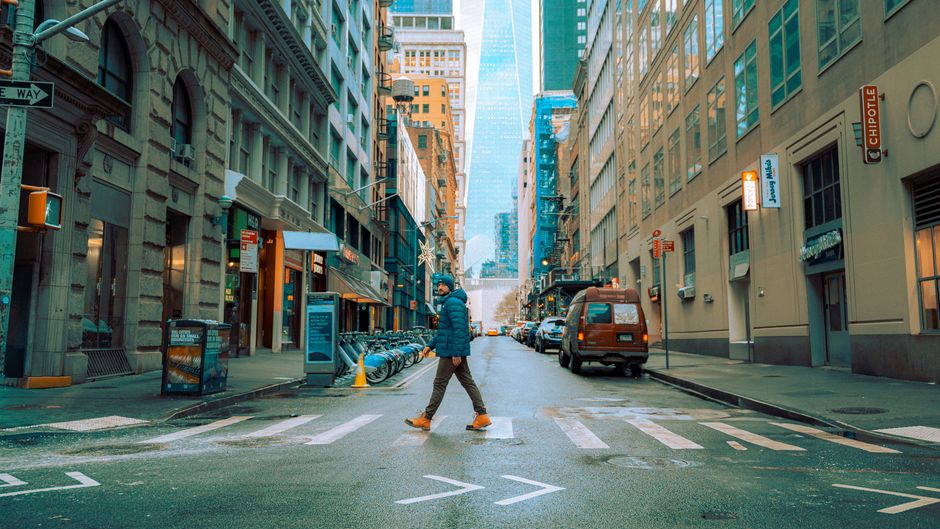
What makes New York's shopping landscape truly singular isn't the prestige brands anchoring Fifth Avenue, though those matter. It's the democratic chaos underneath. Consider the Lower East Side, where tenement-era storefronts house designers who couldn't afford Manhattan rent five years ago. Or SoHo, where cast-iron lofts converted to showrooms have spawned an entire model of retail that cities worldwide now try to replicate—unsuccessfully, because they're missing the ingredient New York has in abundance: genuine creative surplus.
The numbers tell part of the story. New York attracts roughly 65 million visitors annually, many of them seeking something they can't find at home. That demand has created a buyer's market of obsessive curation. Walk down Orchard Street and you'll find price points ranging from $8 vintage tees to $800 designer pieces within a single block—a compression of choice that mirrors New York's entire identity.
Compare this to other global retail capitals. London's shopping is more hierarchical: Oxford Street, then boutique neighborhoods. Paris's Marais is deliberately curated, almost precious. Dubai's malls are architectural statements. But New York's markets—from the Union Square Greenmarket's 140-plus vendors hawking heirloom tomatoes and sourdough to the sprawling chaos of Century 21's discount empire (now returned, symbolically, to lower Manhattan)—operate on a different principle: maximum density, maximum choice, maximum collision.
The real distinction emerges in neighborhoods most tourists miss. In Williamsburg, Astoria, and along Atlantic Avenue in Brooklyn, immigrant communities have built shopping districts that feel nothing like curated retail: spice markets where third-generation shopkeepers sell ingredients you can't find elsewhere in the country, fabric stores where garment industry professionals source materials, electronics shops that predate e-commerce.
This is New York's retail secret. The city doesn't compete on polish or exclusivity—it competes on access. On the radical notion that a $2 hardware store and a $200 minimalist design shop can occupy the same block and somehow make each other better. That's not retail; that's civilization, compressed into a neighborhood, available on a Tuesday afternoon.
This article was compiled by AI from the sources linked above and screened before publishing. See our editorial standards.