From Bargain Basement to Boutique: How New York's Street Markets Are Going Upscale
As gentrification reshapes neighbourhoods, vendors on Canal Street and the Lower East Side are trading flea market hustle for curated retail experiences.
As gentrification reshapes neighbourhoods, vendors on Canal Street and the Lower East Side are trading flea market hustle for curated retail experiences.
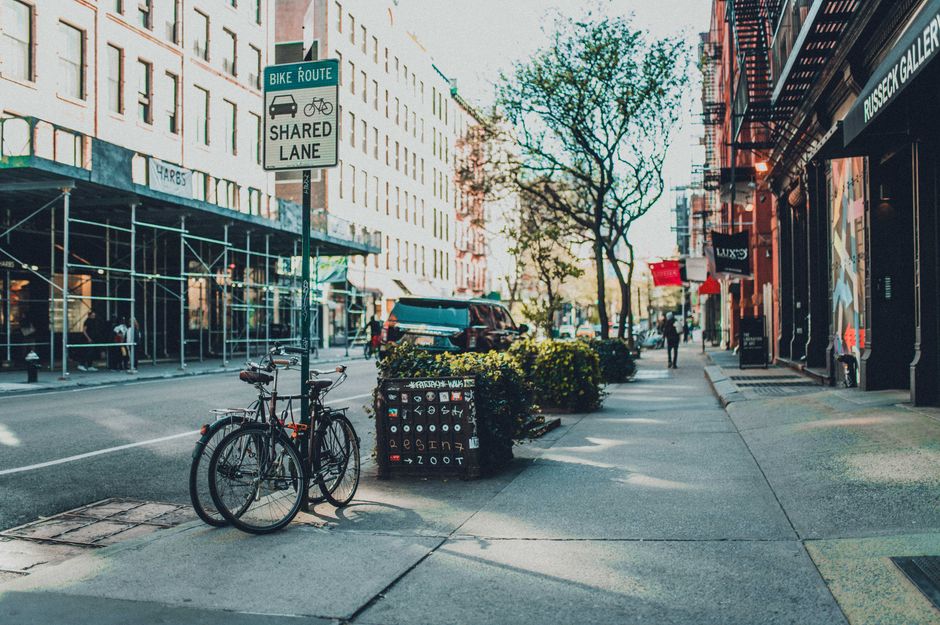
Walk Canal Street in 2024 and you'd see the same scene that defined lower Manhattan for decades: crowded stalls hawking knockoff handbags, discounted electronics, and trinkets piled high on folding tables. But return today, and something has fundamentally shifted. The street markets that once thrived on volume and bargain hunters are transforming into something more deliberate—and considerably more expensive.
The evolution is most visible along the stretch between Lafayette and Broadway, where traditional pushcart vendors have given way to semi-permanent pop-up retailers and experiential shopping zones. What was once a tourist trap of counterfeit goods has become, improbably, a destination for vintage fashion enthusiasts and Brooklyn designers seeking summer foot traffic. Rental rates for market stalls have tripled since 2020, vendors report, forcing the old guard—many of whom worked the same spot for twenty years—to either adapt or relocate.
"The DNA of street vending in New York is changing," explains the Vendor Association of Lower Manhattan, noting that approximately 40% of active market vendors have turned over in the past eighteen months. Where families once built multi-generational businesses on modest margins, younger entrepreneurs are now treating the markets as pop-up galleries. Average prices have climbed accordingly: a vintage Carhartt jacket that would have cost $15 in 2022 now fetches $60 or more.
The Lower East Side has seen comparable shifts. The historic Orchard Street Market, once defined by discount leather goods and student-friendly prices, now hosts rotating installations of sustainable fashion brands and zero-waste retailers. The Economic Development Corporation reports that foot traffic on Orchard Street increased 23% year-over-year, but revenue per vendor has shifted dramatically upward.
Not everyone celebrates the change. Long-time vendors cite the irony of being priced out of the very neighbourhoods they helped define. Meanwhile, the disappearance of accessible shopping for working-class New Yorkers reflects broader patterns of displacement reshaping the city's retail landscape. Some argue that street markets were the democratic counterbalance to Madison Avenue—spaces where immigrant vendors and budget-conscious shoppers could meet without intermediaries.
Yet adaptation is survival. The savviest vendors are leaning into the shift, curating inventory more carefully and embracing the aesthetic of intentionality over abundance. Whether this evolution makes street markets more appealing or less authentic remains, for many New Yorkers, a question worth asking.
This article was compiled by AI from the sources linked above and screened before publishing. See our editorial standards.
How does this story make you feel?
Spread the word
About this article
Published by The Daily New York
Daily brief
Free, in your inbox before 7am. Weekdays.
More in lifestyle