Your Complete Guide to Getting Outside: How New York Residents Are Reclaiming the City's Green Spaces
From hidden pocket parks to ambitious community gardens, here's everything you need to know to maximize summer in the five boroughs.
From hidden pocket parks to ambitious community gardens, here's everything you need to know to maximize summer in the five boroughs.
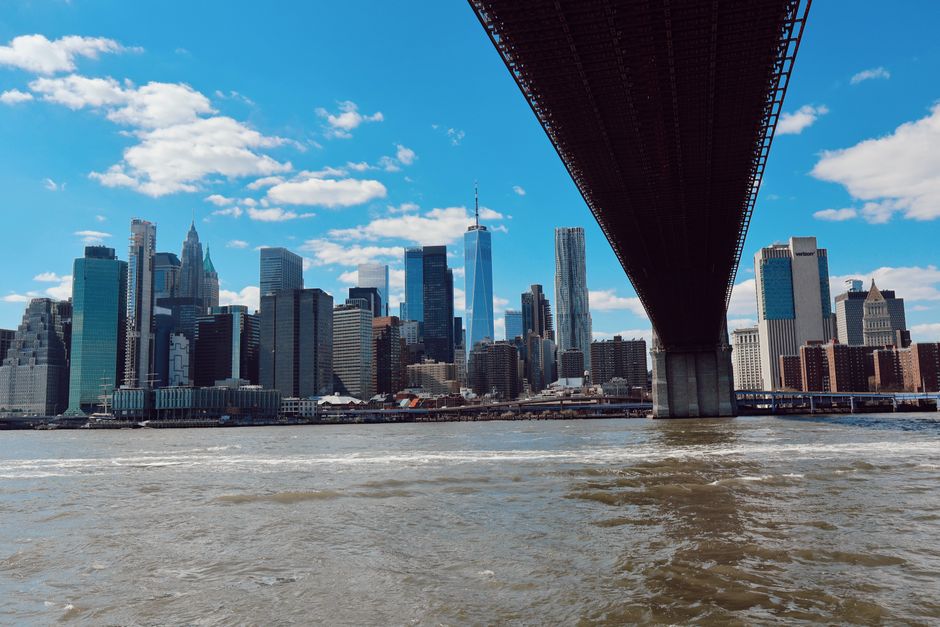
New York's outdoor renaissance isn't just happening in Central Park anymore. After years of pandemic-era walkway conversions and urban farming initiatives, the city's green infrastructure has expanded dramatically—and residents are finally learning how to navigate it properly.
Start with the basics. Central Park remains iconic, but consider the 520-acre Hudson River Greenway, which stretches from Battery Park to the Bronx with dedicated cycling lanes and water access points. Locals are increasingly heading to lesser-known alternatives: Domino Park in Williamsburg offers waterfront views with food vendors, while Freshkills Park in Staten Island—once the city's primary landfill—has transformed into a 2,200-acre park system hosting everything from kayaking to outdoor concerts.
For those seeking community-oriented green space, the city's 600-plus community gardens offer membership opportunities. Gardens like the East Village's 6th Street and Avenue B Garden and the Bronx's Bronx Horticultural Garden operate on modest annual fees, typically $25–$75, giving residents plot access and social connection. The GreenThumb program, run by the Parks Department, maintains updated directories on its website.
If you're serious about seasonal engagement, investment matters. Quality outdoor furniture—think weather-resistant loungers or picnic tables—typically costs $150–$500 but transforms rooftop and backyard experiences. Portable Bluetooth speakers ($40–$150) enhance gatherings at waterfront parks like Astoria Park in Queens or Brooklyn Bridge Park, both free to access.
Timing is crucial. Summer weekends mean crowds; consider weekday mornings at popular spots or early June and September visits when weather remains pleasant but visitor density drops. Prospect Park in Brooklyn attracts roughly 40 million visitors annually, making off-peak hours essential for genuine relaxation.
Neighbourhood-specific strategies work too. Upper West Siders should explore the Riverside Park Greenway. Washington Heights residents have access to Inwood Hill Park's natural forest trails. South Brooklyn dwellers benefit from the Coney Island Greenway.
Don't overlook infrastructure. Many parks now feature updated restroom facilities, drinking fountains, and WiFi access points—the Parks Department has invested significantly in amenities over the past three years. Download the Parks Department's mobile app for trail maps, event schedules, and real-time facility status updates.
The key to maximizing New York's outdoor offerings isn't spending more money; it's spending time strategically. Whether you're gardening, cycling, or simply sitting with coffee watching the Hudson River, the city's green spaces are finally accessible and genuinely transformative.
This article was compiled by AI from the sources linked above and screened before publishing. See our editorial standards.
How does this story make you feel?
Spread the word
About this article
Published by The Daily New York
Daily brief
Free, in your inbox before 7am. Weekdays.
More in lifestyle