Walk down Steinway Street on a Saturday morning and you'll witness Astoria's true weekend heartbeat. The neighbourhood's 250,000 residents spill onto sidewalks lined with family-owned bakeries, vintage record shops, and corner delis that have anchored the same blocks for forty years. It's this texture—the human infrastructure beneath the gentrification narrative—that explains why weekend foot traffic in Astoria has grown 34 percent since 2022, according to local business association data.
The magic lives in the details. At Kaufman Astoria Studios on 36th Avenue, weekend tours ($25 per person) draw crowds curious about the soundstages where The Marvelous Mrs. Maisel and countless indie films come to life. But locals know the real gathering happens after. Astoria Park, which stretches along the East River just north, hosts weekend volleyball tournaments, free outdoor yoga sessions, and informal soccer matches that reflect the neighbourhood's deeply multicultural fabric—Greek, Egyptian, Colombian, and Polish communities interweaving through recreation.
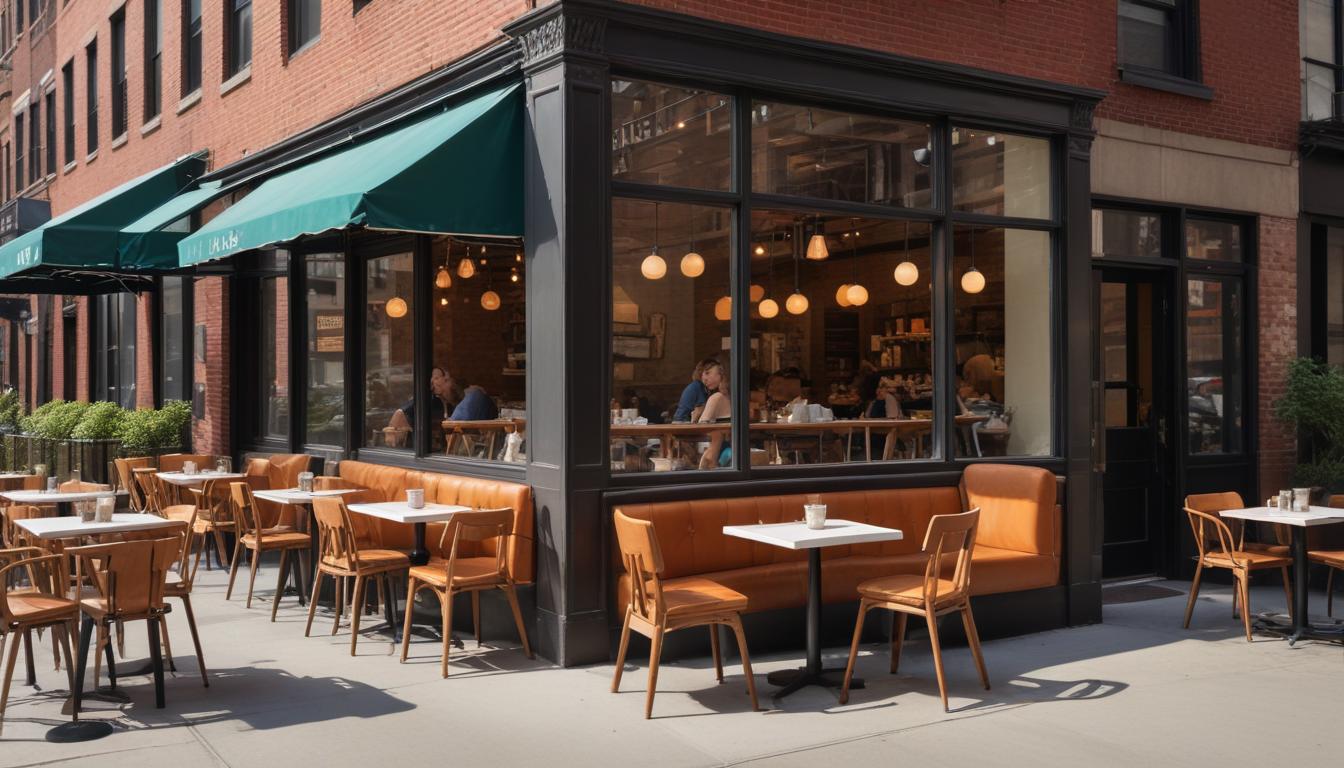
Taverna Kyclades on 31st Avenue remains perpetually packed on Saturday nights, not because it's trendy (the grilled octopus costs $18), but because three generations of the same families have celebrated there. Meanwhile, younger residents drift toward coffee shops like Astoria Coffee Company or vintage haunts like Astoria Bookshop, where Friday night poetry readings pack the aisles with 80-odd community members discussing local issues alongside verse.
What distinguishes Astoria from Brooklyn's more curated neighbourhoods is the absence of performed authenticity. The Greek Orthodox Cathedral on 30th Drive doesn't cater to weekend Instagram tourism; it serves the actual Greek community whose mid-week card games and Sunday traditions predate the neighbourhood's current cool factor by decades. The weekend food vendors on Ditmars Boulevard aren't pop-ups—they're permanent fixtures selling Colombian arepas and Greek pastries to multigenerational customers who've followed the same routes for years.
The neighbourhood's character survives because it's still fundamentally functional. Rent remains 18 percent cheaper than Williamsburg averages. The N and W trains connect directly to Manhattan. Families actually live here. On weekends, you encounter grandparents teaching grandchildren Greek at sidewalk cafés, neighbourhood kids cycling to the waterfront, and a genuine civic infrastructure—community gardens like the Astoria Houses plot, volunteer-run events—that feels earned rather than marketed.
That's the real weekend draw: a neighbourhood where leisure still means gathering with your actual community, not performing community for an audience.
This article was compiled by AI from the sources linked above and screened before publishing. See our editorial standards.