Williamsburg's Bar Scene Is Shedding Its Party-Hard Reputation—Here's What's Replacing It
As rents soar and demographics shift, Brooklyn's nightlife capital is pivoting toward wellness-focused venues and neighborhood gathering spots.
As rents soar and demographics shift, Brooklyn's nightlife capital is pivoting toward wellness-focused venues and neighborhood gathering spots.
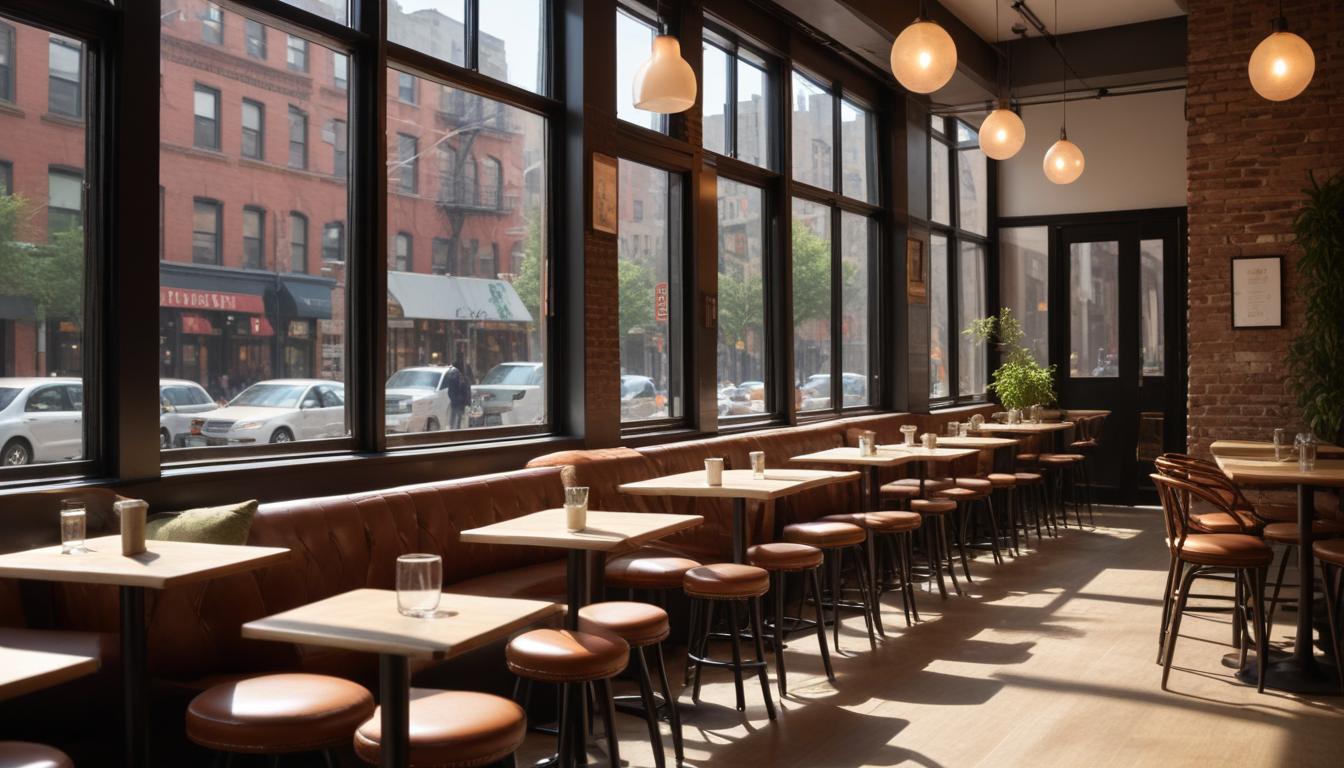
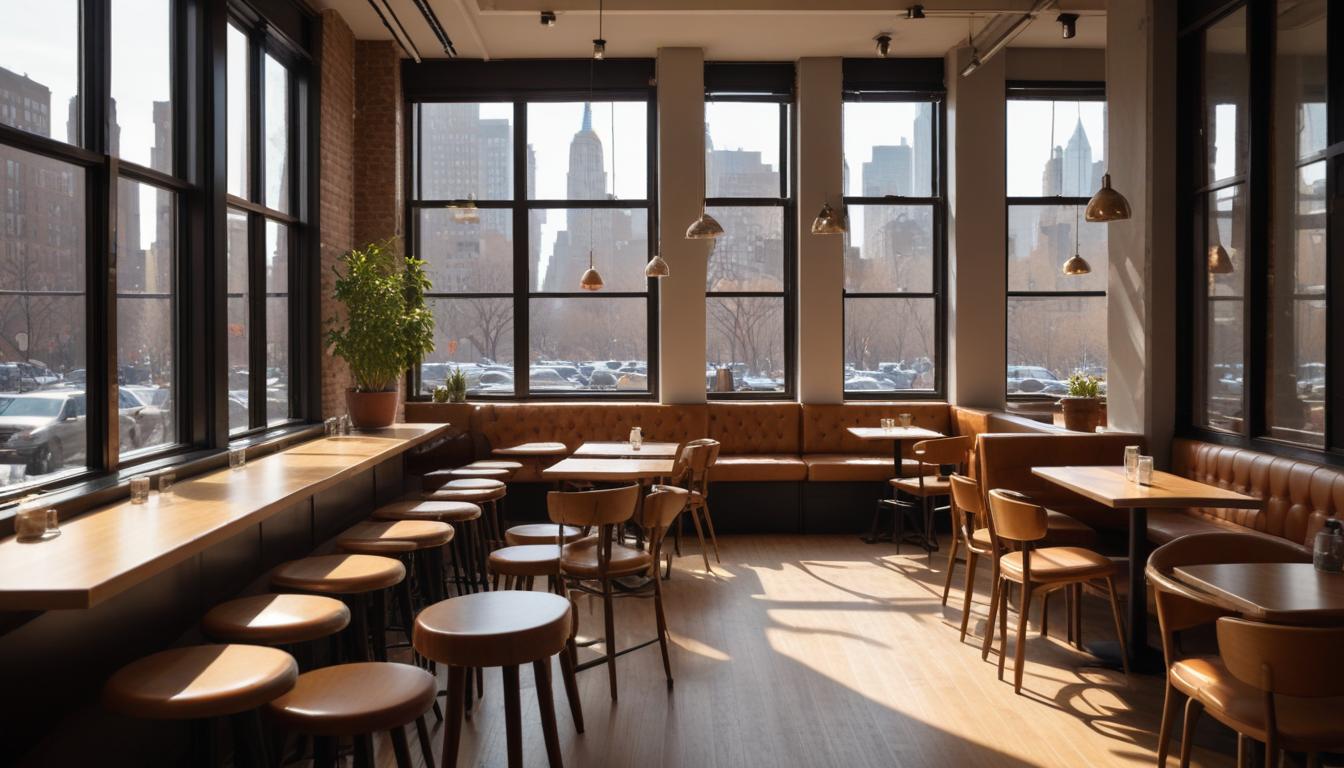
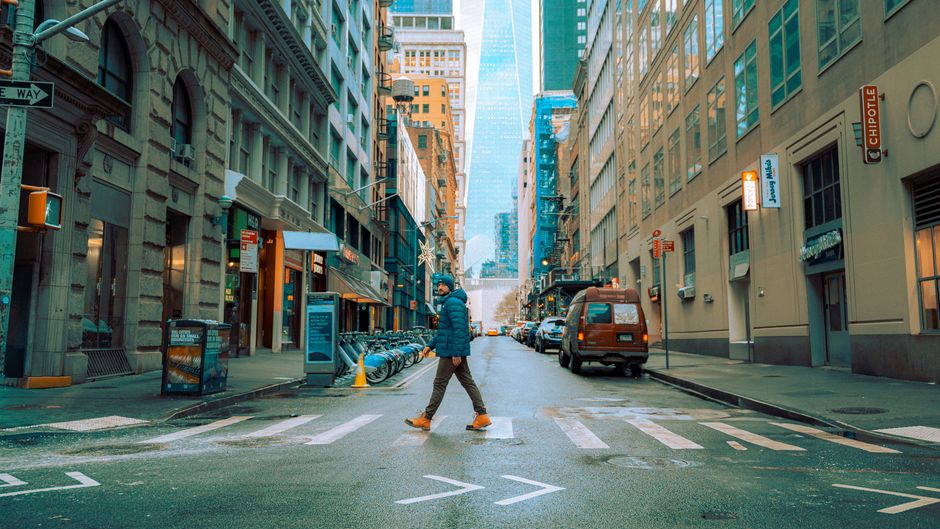
Walk down Bedford Avenue on a Friday night in 2026, and you'll notice something unexpected: fewer neon signs advertising shots, more craft cocktail bars with 12-seat counters and house-made bitters. Williamsburg's nightlife landscape—long synonymous with late-night excess and Manhattan overflow—is undergoing a quiet but unmistakable transformation.
The shift reflects broader changes reshaping Brooklyn's most famous entertainment district. Rising commercial rents, which have climbed 23 percent since 2022, have forced out dive bars with razor-thin margins. Meanwhile, the neighborhood's resident population has aged and diversified: where 24-year-olds once dominated, millennials now in their late 30s and early 40s are setting the social agenda.
"We're seeing a genuine demand for places where you can actually have a conversation," explains one longtime Williamsburg hospitality worker. The old model—capacious dance clubs and standing-room-only beer halls—no longer dominates. Instead, intimate wine bars are opening on North 6th Street, speakeasies with reservation systems are replacing walk-in clubs, and craft beer taprooms emphasizing food pairings now outnumber pure party venues.
The evolution extends beyond alcohol. Thursday-night yoga sessions followed by mocktail meetups have become legitimate social anchors. Several bars near the Bedford L stop now host book clubs, live jazz performances, and neighborhood trivia nights. One venue operator on Kent Avenue noted that Friday night revenue now rivals Saturday night—previously unthinkable—because the clientele prefers earlier, quieter experiences.
Real estate data tells part of the story: average bar tab prices in Williamsburg have climbed from $35 to $52 per person since 2021, pricing out the younger, less affluent crowds who fueled the neighborhood's party reputation. Simultaneously, more established residents are reclaiming public spaces. McCarren Park, which transformed from venue grounds into a community hub, now hosts weekend social gatherings that rival nightlife venues for attendance.
Not everyone celebrates the shift. Some longtime residents and venue operators lament the loss of Williamsburg's edgier identity. But demographics and economics rarely care about nostalgia. The neighborhood that once defined Brooklyn's nightlife for outer-borough transplants is becoming something else entirely: a place where you're as likely to sip a $16 natural wine at a intimate bar as you are to dance until dawn.
For New York nightlife enthusiasts seeking that old Williamsburg energy, Astoria and Ridgewood—with cheaper rents and younger populations—are becoming the new frontiers. Meanwhile, Williamsburg itself is learning to embrace maturity, one carefully-curated cocktail at a time.
This article was compiled by AI from the sources linked above and screened before publishing. See our editorial standards.
How does this story make you feel?
Spread the word
About this article
Published by The Daily New York
Daily brief
Free, in your inbox before 7am. Weekdays.
More in lifestyle