Why New York Stands Apart: What Expats Discover That Other World Cities Don't Offer
From hyperlocal food scenes to ungoverned creative spaces, newcomers to Manhattan, Brooklyn, and beyond quickly realize this city operates on rules all its own.
From hyperlocal food scenes to ungoverned creative spaces, newcomers to Manhattan, Brooklyn, and beyond quickly realize this city operates on rules all its own.
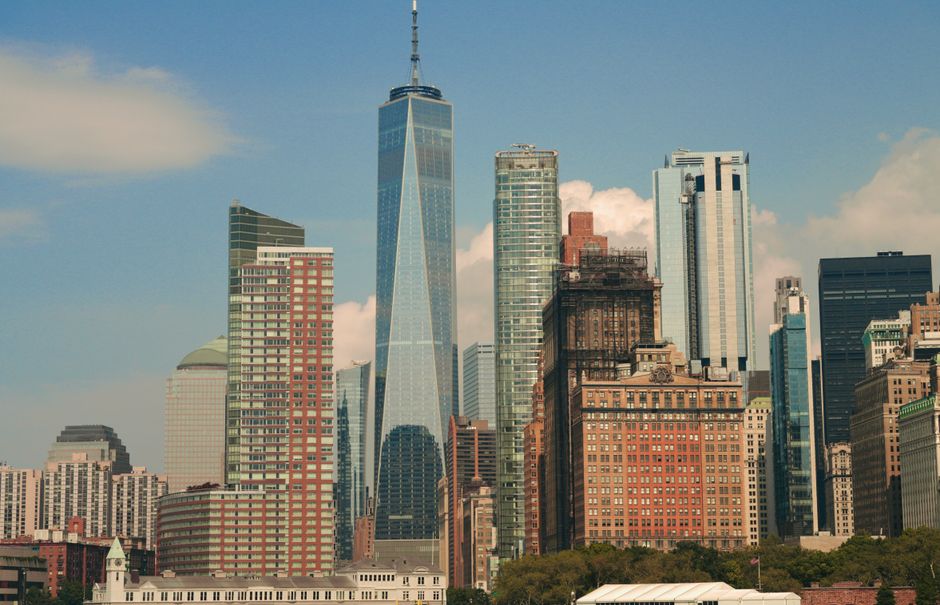
Moving to London means joining a city obsessed with heritage. Singapore demands efficiency above all else. But New York? New York rewards the audacious, the weird, and the broke-but-determined in ways few global cities still do.
Ask any expat who's landed in Astoria, Williamsburg, or the Lower East Side what surprised them most, and you'll hear a common refrain: the sheer texture of coexistence. On a single block in Sunset Park, Brooklyn, you might find a Cantonese dim sum parlor that's been family-run since 1987, a Danish coffee roastery that opened last month, and a Dominican bodega where the owner remembers every regular's order. This hyperlocal eclecticism—where neighborhoods function as villages within a megacity—is difficult to replicate elsewhere. Paris has arrondissements with character, but they're increasingly homogenized by global brands. Tokyo has distinct wards, but they're far more systematized. New York's neighborhoods still feel genuinely ungoverned by corporate design.
The rental market tells another story entirely. Yes, a one-bedroom in Murray Hill runs roughly $2,800 monthly—higher than Toronto or Barcelona. But expats discover something counterintuitive: you can still live here on a creative salary. A shared apartment in Ridgewood, Queens costs $1,200. A studio in Washington Heights, $1,500. Try that calculus in Vancouver or Copenhagen. The city's vertical sprawl across five boroughs creates genuine alternatives to the glossy core, something cities with tighter geographies can't offer.
Then there's the cultural permissiveness that defies easy comparison. A street musician can busk on the N train platform without permits; a pop-up gallery can operate in a Bushwick warehouse; a food vendor can launch a supper club from their Astoria apartment. The enforcement is erratic enough that creative risk-taking remains possible. Berlin might match this energy in pockets, but it lacks New York's sheer density of opportunity and audience. London's bureaucracy would strangle half these ventures before launch.
For professionals, the networking density is unmatched. In a single evening, you might encounter an HBO producer, a venture capitalist, a museum curator, and a Michelin-starred chef at The Box or a rooftop bar in Williamsburg. This cross-pollination of industries and ambitions—the assumption that everyone in the room is either making something or planning to—creates an entrepreneurial gravity that Geneva or Dublin simply cannot compete with.
The city demands a lot: resilience, hustle, the ability to navigate five boroughs and five different payment systems. But what it gives back—authentic community, creative permission, economic mobility for the driven—remains distinctly, stubbornly New York.
This article was compiled by AI from the sources linked above and screened before publishing. See our editorial standards.
How does this story make you feel?
Spread the word
About this article
Published by The Daily New York
Daily brief
Free, in your inbox before 7am. Weekdays.
More in lifestyle