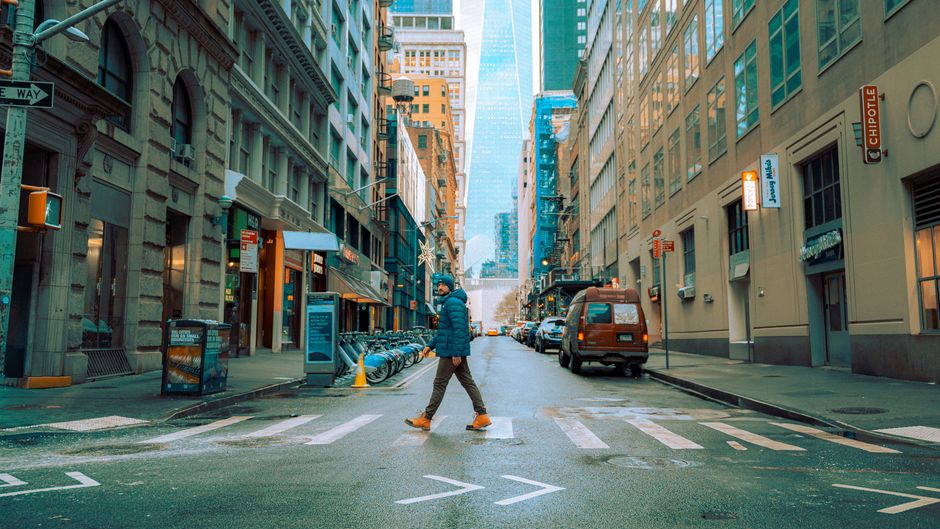
The Real Deal on Getting Around New York: Tips From People Who Actually Live Here
Forget the guidebooks—here's how New Yorkers navigate the city's transit maze, from subway survival to surprising shortcuts.
Forget the guidebooks—here's how New Yorkers navigate the city's transit maze, from subway survival to surprising shortcuts.
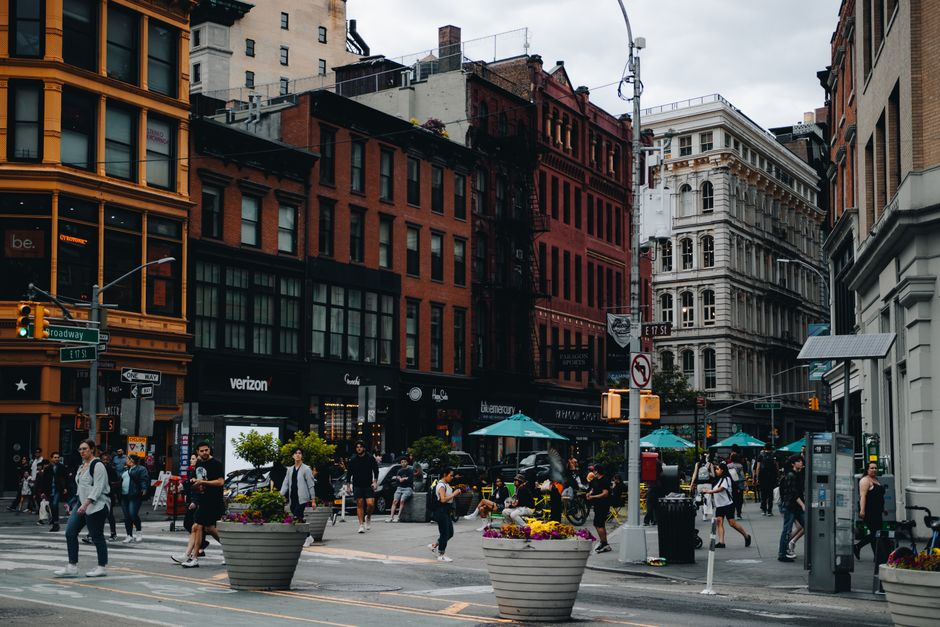
Ask any New Yorker how they get around, and you'll hear a beautifully chaotic mix of strategies. There's no single answer because commuting in this city is less about finding the perfect route and more about knowing which imperfect routes work best for your life.
The MTA subway remains the backbone of city movement, carrying roughly 5.5 million riders daily across its 472 stations. Yet most long-time residents will tell you the same thing: the L train between Brooklyn and Manhattan is perpetually delayed, the 6 train during rush hour feels less like transportation and more like crowd control, and downloading the MTA's official app alongside Citymapper is non-negotiable. Many commuters swear by the A or C trains during off-peak hours as surprisingly reliable alternatives, though this varies wildly depending on service changes announced seemingly every week.
For those willing to spend more, Citi Bike membership ($15 monthly) has transformed how people move through lower Manhattan and increasingly into neighborhoods like Long Island City and Astoria. The catch? Hills and weather make it unrealistic as a year-round primary option for most.
The buses, often overlooked by newcomers, are where seasoned commuters find unexpected wins. The M15 Select Bus Service on First and Second Avenues, with limited stops and dedicated lanes, moves faster than you'd expect. Similarly, the crosstown routes—particularly the M79 and M86—bypass crowded subways entirely, though patience is required during gridlock.
Ride-sharing apps like Uber and Lyft remain convenient for specific situations: late-night trips from the Upper East Side to Williamsburg, rainy days when your umbrella's already failing, or when you're traveling with heavy luggage. But relying on them daily becomes prohibitively expensive and, frankly, unbearable for anyone conscious of the city's congestion pricing initiative taking effect.
The honest truth many locals share? There's no perfect commute in New York. A Brooklyn-based freelancer might rely entirely on the L train and Citi Bike, while a Midtown office worker swears by the 4 or 5 trains from the Upper West Side. Someone working in DUMBO might drive, bike, and subway depending on weather and deadlines.
The real skill is flexibility. Build redundancy into your options, check service alerts before heading out, and don't get emotionally attached to a single route. New York's transit system requires constant adaptation—which is frustrating until you realize it's exactly what makes the city work at all.
This article was compiled by AI from the sources linked above and screened before publishing. See our editorial standards.
How does this story make you feel?
Spread the word
About this article
Published by The Daily New York
Daily brief
Free, in your inbox before 7am. Weekdays.
More in lifestyle