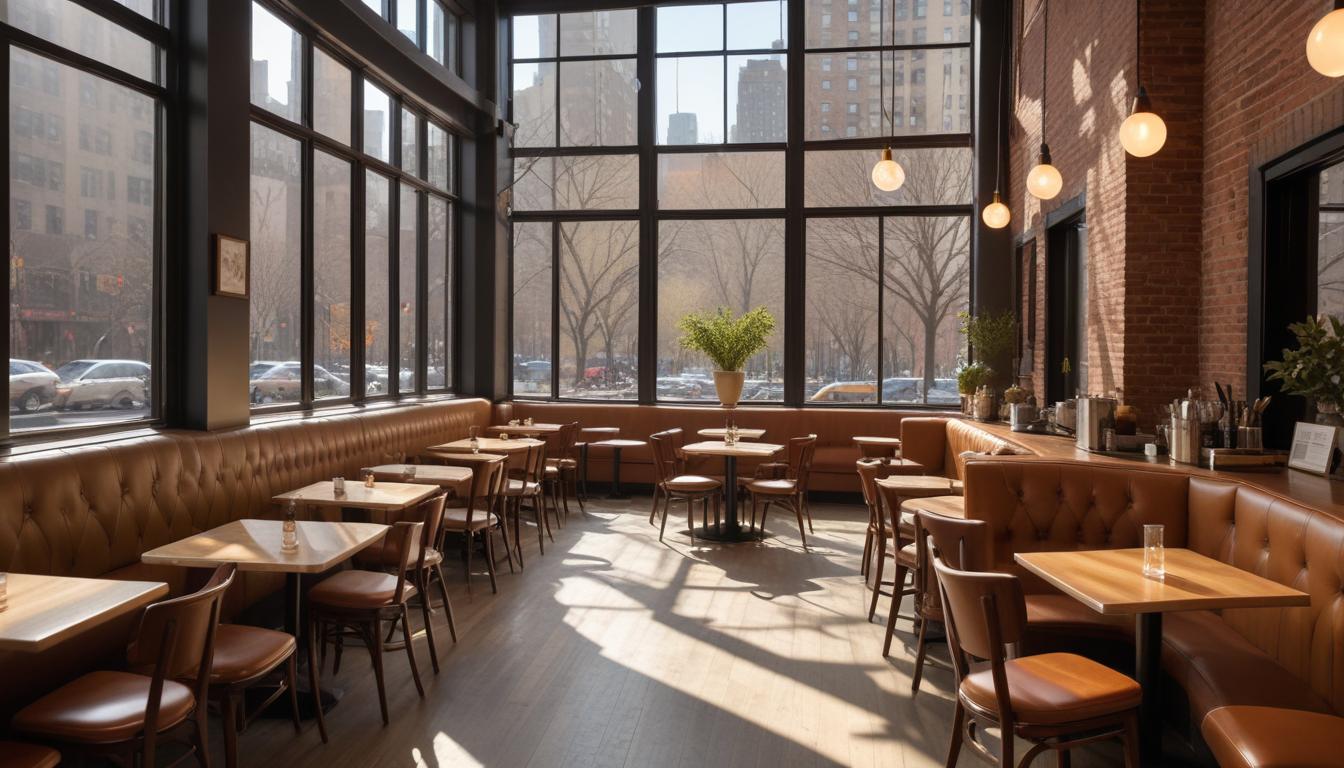
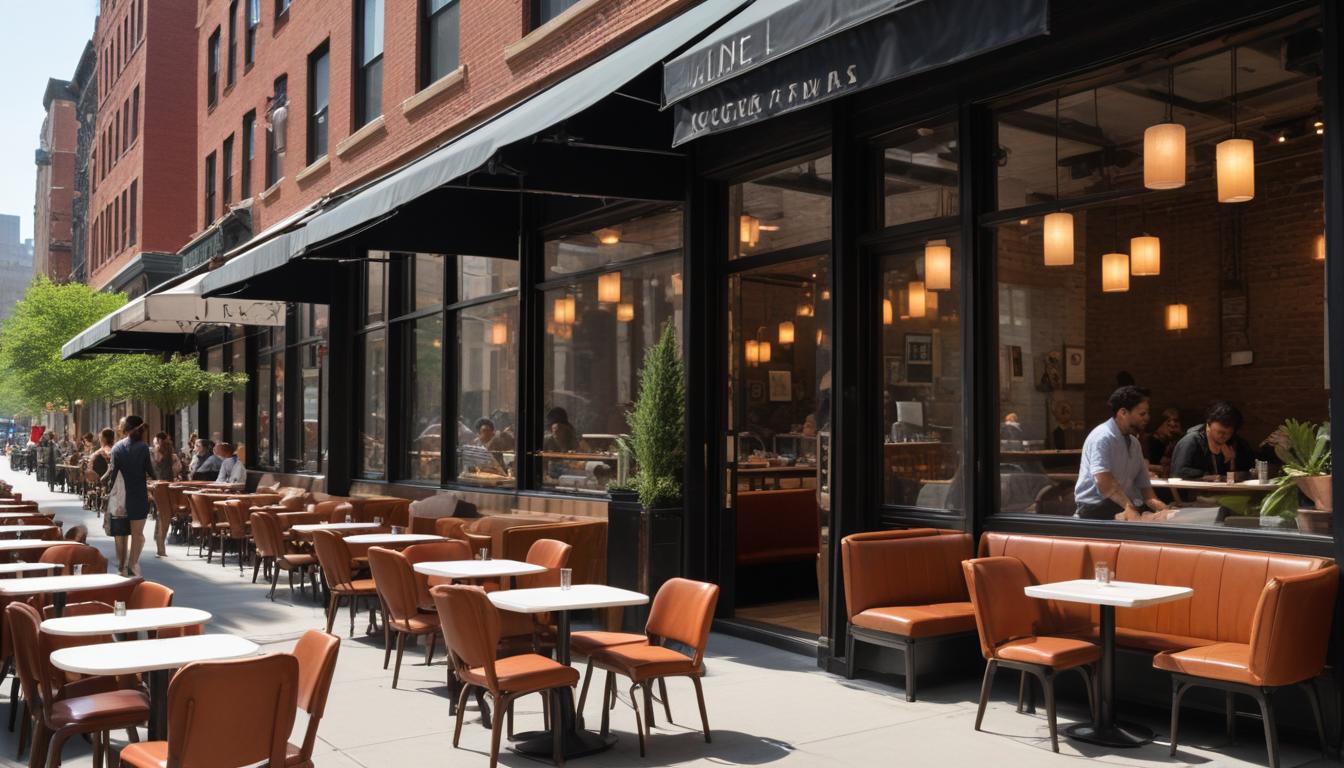
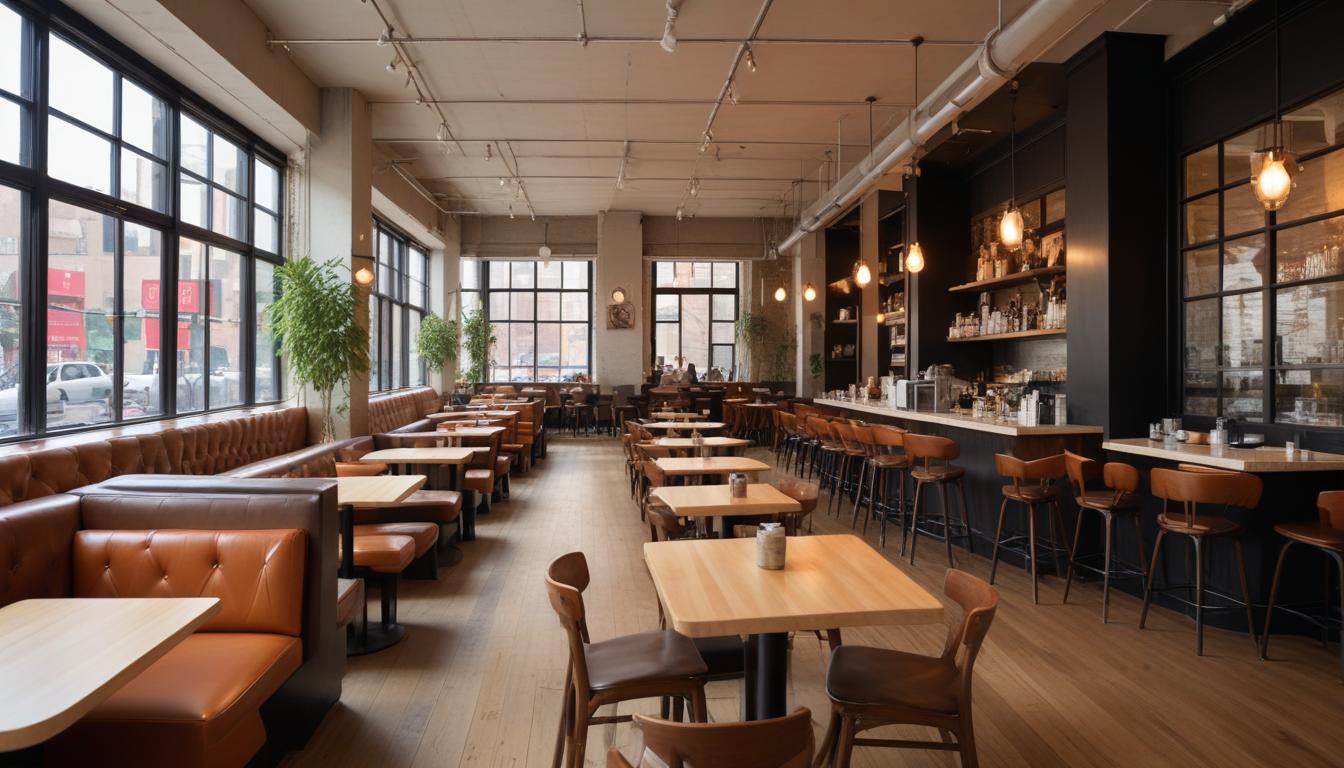
Walk down Bedford Avenue in Williamsburg on a Friday night in 2026, and you'll notice something that felt impossible just a few years ago: bars are packed, the energy is genuine, and nobody seems to be checking their phone every five seconds. New York's nightlife scene has undergone a quiet renaissance, one that locals aren't taking for granted this time around.
The shift has been driven by several converging factors. After the pandemic-era exodus and the subsequent cost-of-living crisis that hit the city hard between 2023 and 2025, venue owners finally recalibrated. Rather than chasing high-margin cocktails at $18 a pour, establishments across the Lower East Side, Astoria, and Park Slope have embraced what industry insiders call "intentional hospitality." The result: neighborhood bars that feel like they actually belong to their communities again, not just Instagram backdrops for tourists.
The numbers tell the story. According to the NYC Hospitality Alliance, bar openings in the outer boroughs increased 34 percent in the first half of 2026 compared to 2024, while Manhattan venues focused on what they do best rather than trying to compete on spectacle alone. Crucially, average cocktail prices in Brooklyn have stabilized around $14-16, down from the $19-22 peak during the 2022-2024 boom period. Beer and wine-focused spots have become the neighborhood staple again.
What's changed most profoundly is the intentionality behind these spaces. Venues like those clustered around Greenpoint's Franklin Street and along Prospect Heights' Washington Avenue now host consistent programming—live music, trivia nights, community fundraisers—rather than relying on ambient buzz. These aren't bougie experiments; they're places where the bartender knows your name because you're actually from the neighborhood.
The shift has also democratized nightlife beyond traditional Manhattan hotspots. Astoria's Steinway Street corridor has emerged as a genuine alternative scene, while Sunset Park's Fifth Avenue—long overlooked—now draws crowds seeking authenticity without the East Village markup. For young professionals and long-term residents tired of being priced out, this represents a return to what made New York nightlife legendary: genuine connection over curated experience.
Locals credit the change to necessity and maturity. "We learned that sustainable nightlife means knowing your customer," one Murray Hill bar owner explained. That customer is less likely to be a finance bro on expense account these days and more likely to be a teacher, artist, or nurse looking for a place to unwind without judgment or pretense. After years of feeling disconnected from their own city, New Yorkers are rediscovering the bars that actually understand them.
This article was compiled by AI from the sources linked above and screened before publishing. See our editorial standards.