Finding Your People: An Inside Look at New York's Neighbourhood Character and Community Vibe
For expats landing in the city, picking the right neighbourhood means understanding its soul—and we've mapped out what makes each one tick.
For expats landing in the city, picking the right neighbourhood means understanding its soul—and we've mapped out what makes each one tick.
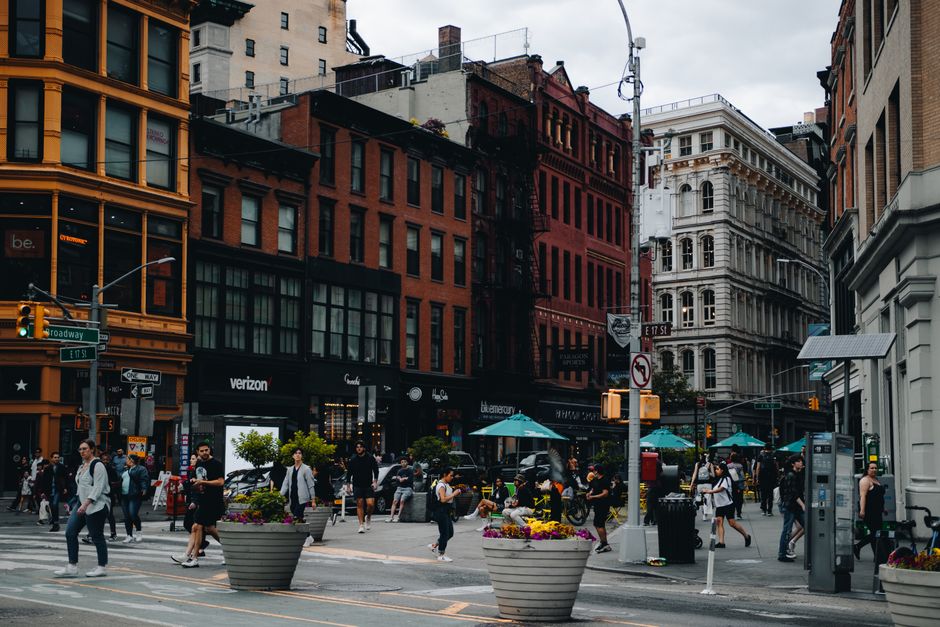
Moving to New York as an outsider can feel like drinking from a fire hose. The city doesn't coddle newcomers. But what separates a three-year tenure from a genuine relocation is finding a neighbourhood where you actually want to be—not just sleep.
Start in Astoria, Queens, where the ground-level reality of New York's international character reveals itself immediately. Walk along Steinway Street and you'll hear conversations in Greek, Arabic, and Mandarin. The neighbourhood has transformed dramatically since the 1990s, but retains an unpretentious authenticity that Manhattan lost decades ago. Rent for a one-bedroom runs roughly $2,100–$2,400 monthly, significantly lower than comparable Brooklyn options. The Greek community here remains strong around Kaufman Astoria Studios, while younger professionals cluster near Ditmars Boulevard's coffee shops and wine bars. It's genuinely diverse without feeling curated.
If you're seeking a more established expat infrastructure, Park Slope in Brooklyn has long been the soft landing for international arrivals. Prospect Park anchors the neighbourhood's character—locals genuinely organise their lives around it. Seventh Avenue hosts monthly street fairs and community meetings where you'll meet long-timers and newcomers alike. The neighbourhood supports French, British, and Australian expat groups officially. Expect to pay $2,600–$3,200 for a one-bedroom, but you're buying access to institutional community support most neighbourhoods can't match.
For those fleeing chaotic global situations seeking stability, the Upper West Side offers old-money tranquility. The American Museum of Natural History dominates the cultural landscape, and the neighbourhood's rhythm feels deliberately measured. Columbus Avenue has thrived with independent shops and restaurants rather than chains. International families have rooted here for generations, creating networks that actually facilitate school placements and professional introductions. It's expensive—$3,000–$3,800 for a one-bedroom—but the trade-off is genuine community infrastructure.
Williamsburg presents a different proposition entirely. The neighbourhood's community character has crystallized around creative industries and young professionals, with growing Latin American and Polish populations adding texture to the rapidly gentrifying waterfront. The Williamsburg Houses public housing complex sits beside luxury condominiums, creating tension that shapes local character. Rent averages $2,800–$3,400, but you're paying for emerging cultural momentum rather than established calm.
The truth about New York relocation is this: neighbourhood character matters more than square footage. Visit streets at different times. Sit in parks. Talk to people at bodegas. Real community vibe emerges through observation, not marketing.
This article was compiled by AI from the sources linked above and screened before publishing. See our editorial standards.
How does this story make you feel?
Spread the word
About this article
Published by The Daily New York
Daily brief
Free, in your inbox before 7am. Weekdays.
More in lifestyle