Astoria's Transformation: How Queens' Waterfront Revival Is Reshaping Urban Living in 2026
Once overlooked, this Long Island City neighbour is emerging as the city's most liveable neighbourhood—and locals aren't keeping it quiet.
Once overlooked, this Long Island City neighbour is emerging as the city's most liveable neighbourhood—and locals aren't keeping it quiet.
Walk along the East River Greenway in Astoria on a Saturday morning, and you'll understand why real estate agents are scrambling to keep up with demand. The neighbourhood that spent decades in the shadow of Manhattan's glitzier postcards has undergone a quiet revolution—one that has locals fiercely protective of what they've built.
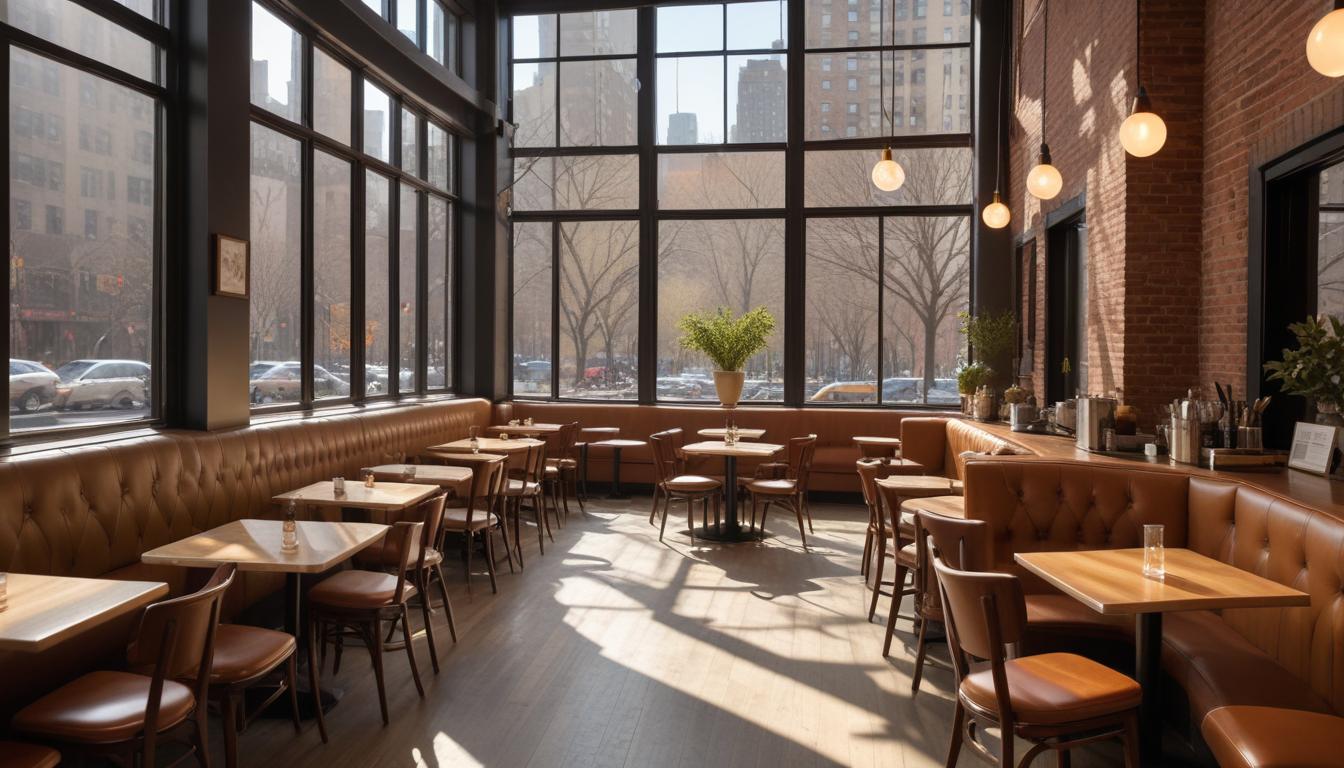
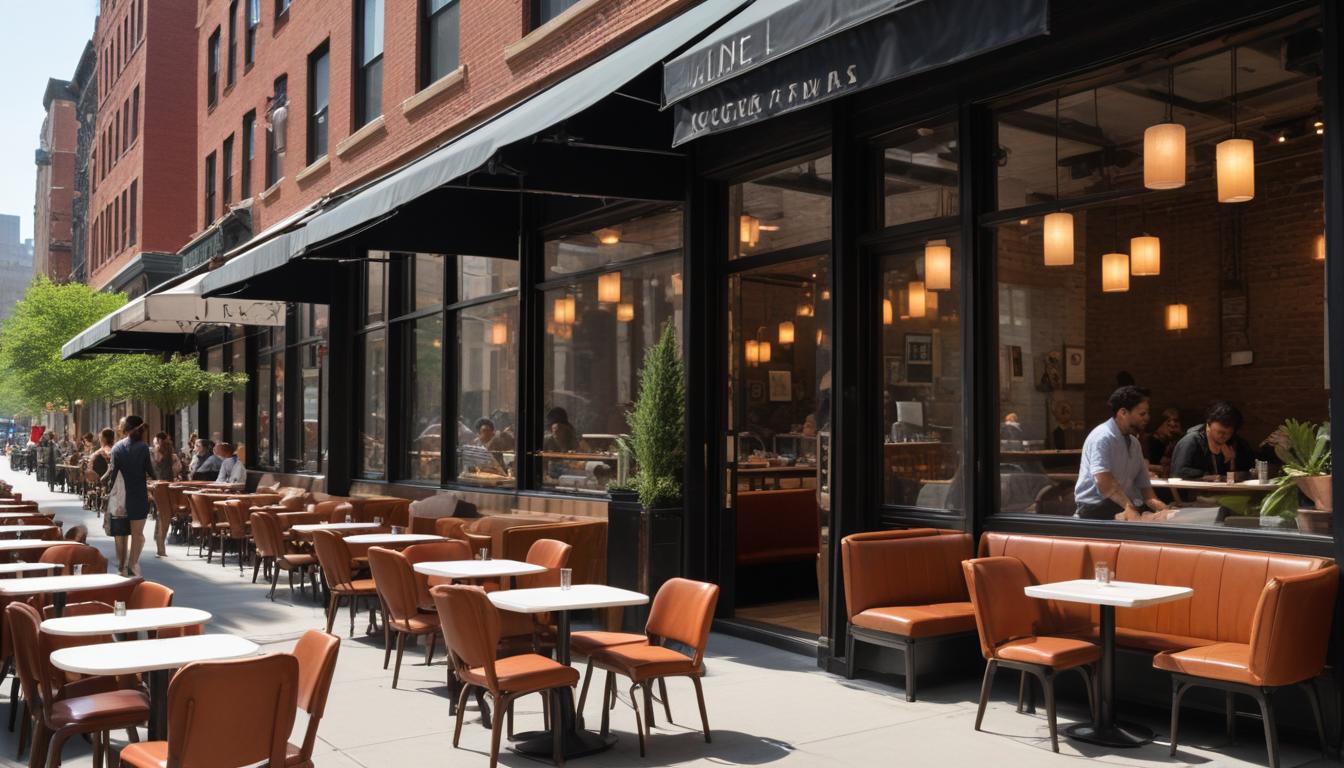
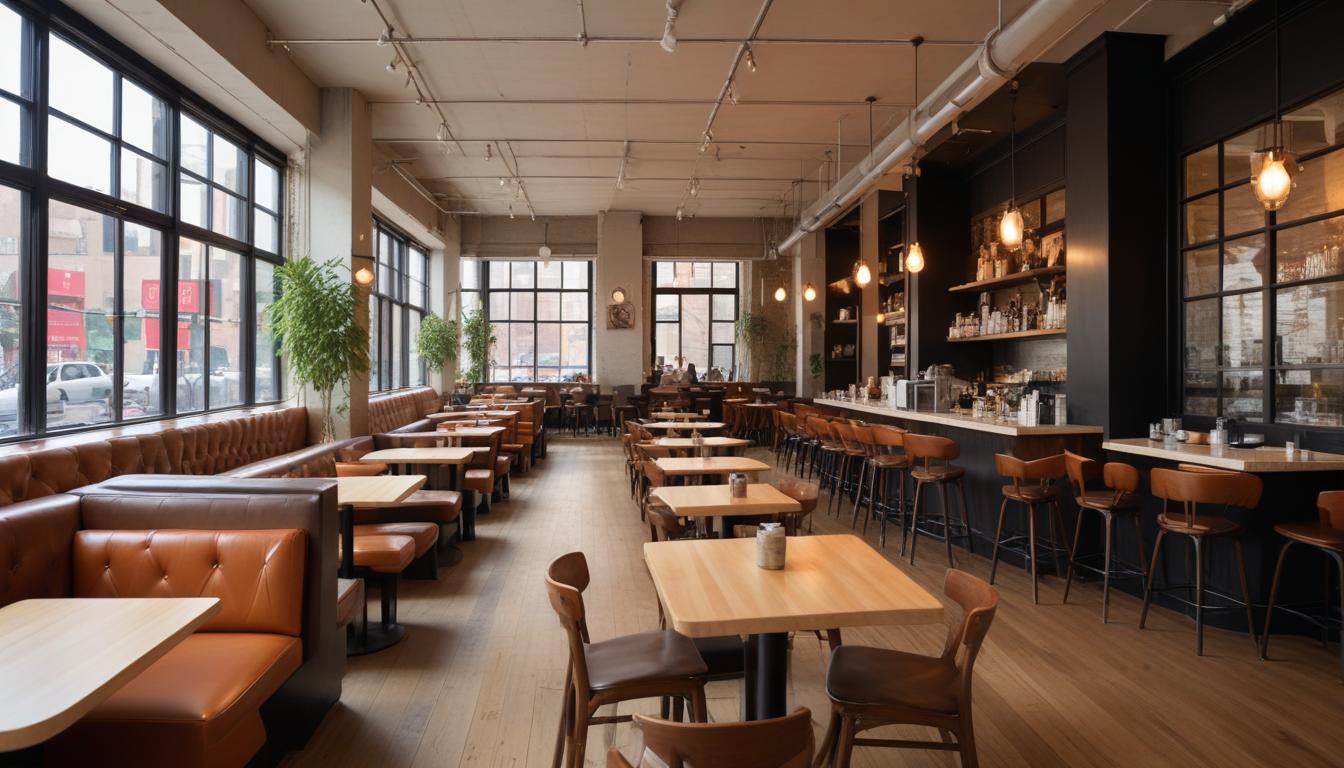
The changes began subtly. Two years ago, a string of independent coffee roasters and plant-based eateries opened along 30th and 31st Avenues, transforming what had been discount bodegas and laundromats into Instagram-worthy gathering spots. Today, the waterfront parks—Socrates Sculpture Park and Hallets Cove Waterfront—host weekend markets and community events that draw young families and creatives tired of paying $4,500 for a one-bedroom in Murray Hill.
The numbers tell the story. Average rents in Astoria have climbed roughly 18 percent since early 2024, but they remain 30 percent lower than comparable neighbourhoods in Brooklyn's Williamsburg. A two-bedroom now averages $2,800—still accessible for the teachers, artists, and service workers who form the neighbourhood's backbone.
What makes the current moment feel different, residents say, isn't just the new restaurants or the improved N train service. It's the intentionality. The Astoria Community Board has been surprisingly effective at managing growth, blocking excessive overdevelopment while welcoming cultural spaces. The opening of the Astoria Performing Arts Center's expanded programming and the proliferation of small galleries along Broadway signal a creative class staking genuine roots, not just passing through.
The Greek community that defined Astoria for generations remains visible—tavernas cluster around 30th Avenue, and Byzantine churches anchor the neighbourhood's identity. But the block now includes young families from across Latin America, South Asia, and Eastern Europe, creating a demographic richness that longtime residents describe as the neighbourhood's greatest asset.
What locals truly love, though, is the accessibility of actual community life. You can have a conversation with your barista without it feeling transactional. The parks are crowded but not crushing. The restaurants are excellent but not ostentatiously so. This is urban living without the performance anxiety of trendier enclaves.
As June fades toward summer, Astoria's waterfront will only grow busier. But residents seem determined to preserve what made the neighbourhood attractive in the first place: genuine neighbourliness, authentic diversity, and the radical idea that a great neighbourhood doesn't require Wall Street wages to enjoy.
This article was compiled by AI from the sources linked above and screened before publishing. See our editorial standards.
How does this story make you feel?
Spread the word
About this article
Published by The Daily New York
Daily brief
Free, in your inbox before 7am. Weekdays.
More in lifestyle