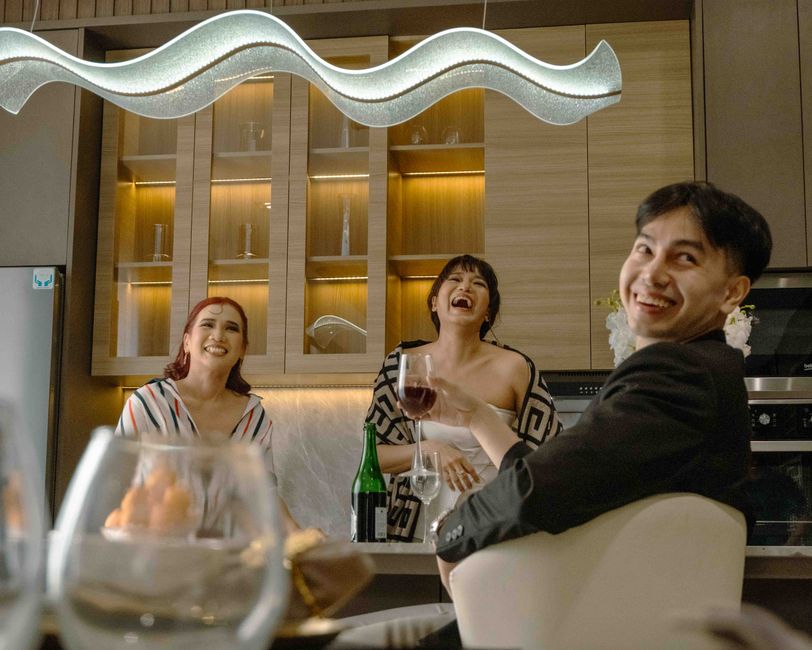
Why New York Brunch is the Only Meal That Matters in a World on Edge
As global uncertainty dominates the headlines, New York’s weekend ritual remains an unapologetic display of endurance and excess.
As global uncertainty dominates the headlines, New York’s weekend ritual remains an unapologetic display of endurance and excess.
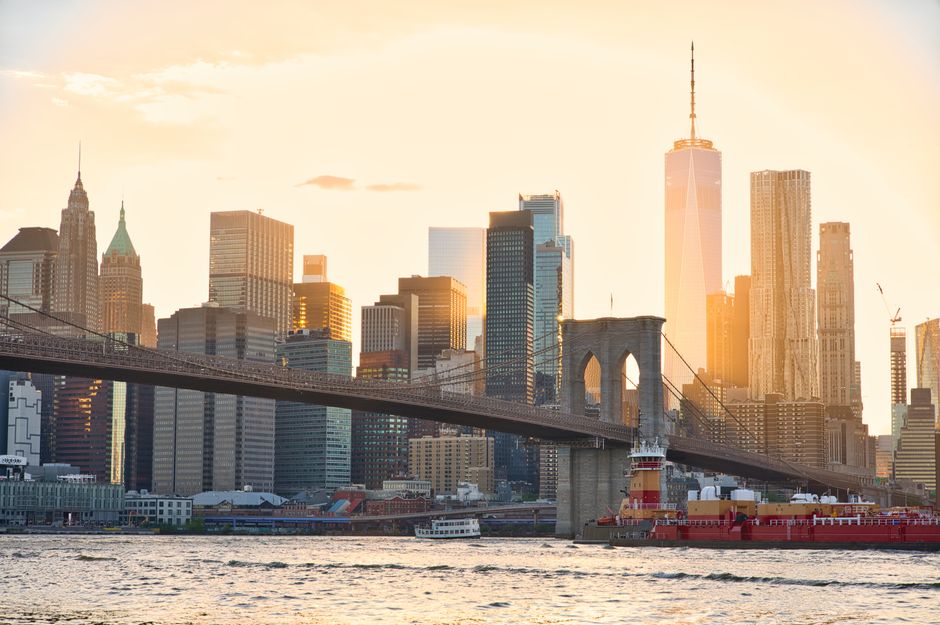
New Yorkers sat down for brunch this Fourth of July weekend with a collective appetite that defies the grim news cycling through their smartphones. While European capitals grapple with record-breaking heatwaves and geopolitical shifts from Tehran to Kyiv dominate the front pages, the sidewalk tables along Greenwich Avenue are packed. This isn't just breakfast; it is a display of a city that prioritizes its rhythm above the encroaching chaos of the outside world.
The current global climate feels brittle, yet the New York brunch scene is expanding. Restaurateurs in the Meatpacking District and Williamsburg report that demand for table reservations has risen 12% compared to the same period last year. It is a peculiar kind of defiance. By filling a corner bistro on a holiday morning, diners are signaling that despite global instability—from energy shortages in Russia to flood crises in West Africa—the sanctity of the Sunday morning stack of pancakes remains inviolate.
The machinery behind this meal is staggering. At Buvette on Grove Street, the staff manages a constant turnover of guests, serving thousands of Croque Madames each week with military precision. Across the river at Sunday in Brooklyn, the line often snakes down Wythe Avenue before 10:00 a.m. These institutions are not merely selling eggs; they are selling a sense of continuity. In Paris, a neighborhood cafe might close for a month during the summer; in New York, the expectation is absolute, relentless service.
Economics play a major role in how this tradition thrives. A standard bottomless brunch at a mid-tier spot like Calle Ocho now hovers around $55 per person, not including tax or the customary 20% gratuity. Despite the cost of living index in Manhattan rising by nearly 4% over the last twelve months, the brunch tables remain full. People are trading luxuries, but they aren't trading their weekends. It is the one social contract that feels unbreakable in a city where everything else is subject to renegotiation.
New York differs from other major financial hubs because brunch here is a social requirement, not a casual leisure activity. In London, brunch often feels like a lingering, secondary event. In Tokyo, the cafe culture is focused on precision and quietude. Here, the noise level is the point. When you sit at a crowded bar in the Lower East Side, you are participating in a local sport. The interaction between diners, staff, and the urban environment creates a singular energy that you cannot find in the curated dining rooms of Singapore or the quiet plazas of Madrid.
If you are planning to head out this weekend, expect the wait times to be severe. Most top-tier spots require a booking via Resy or OpenTable at least 14 days in advance. If you decide to wing it, show up at 9:30 a.m. sharp to secure a spot before the tourists and the late-risers collide at 11:00 a.m. Pace yourself. The goal is to reach the mid-afternoon transition, where the coffee is replaced by cocktails, ensuring you are still in your seat when the reality of the world news eventually catches up with you.
How does this story make you feel?
Spread the word
About this article
Published by The Daily New York
Daily brief
Free, in your inbox before 7am. Weekdays.
More in lifestyle