Grassroots Sports Programs in NYC: Building Champions in ...
Discover how New York's community basketball leagues and nonprofit youth sports organizations are developing the next generation of athletes across the five boroughs.
Discover how New York's community basketball leagues and nonprofit youth sports organizations are developing the next generation of athletes across the five boroughs.
Walk along Astoria Boulevard on any summer evening and you'll find the courts packed. Not the gleaming facilities of Manhattan's private clubs, but the weathered hardtops of Astoria Park where the Astoria Houses Basketball League has operated for thirty-seven years, turning out college athletes and professionals on a budget that wouldn't rent a single luxury box at Madison Square Garden.
This is the real story of New York's sporting infrastructure—one that rarely makes the highlight reels but drives the city's athletic culture from the ground up. While the Yankees, Knicks, and Nets command headlines and billion-dollar stadiums, a network of nonprofit organizations and municipal programs operates with shoestring budgets and volunteer coaches, producing the next generation of competitors across every borough.
The numbers tell the story. New York Parks & Recreation operates 1,700 athletic facilities serving roughly 200,000 young athletes annually through community programs. Yet funding hasn't kept pace with demand. The 2025 parks budget provided approximately $45 per capita for recreation programming—less than half the national average—forcing organizations like the Police Athletic League (PAL) and Settlement Houses across the Bronx, Brooklyn, and Washington Heights to bridge gaps with private fundraising and donated equipment.
"We see kids who'd otherwise be idle," explains the coordinator at Sunset Park's YMCA, which has anchored the neighborhood since 1904. The facility recently underwent renovations funded partly by a $2.1 million federal grant, but such windfalls are rare. Most community centers operate on annual budgets between $500,000 and $1.2 million, serving populations of 50,000 or more.
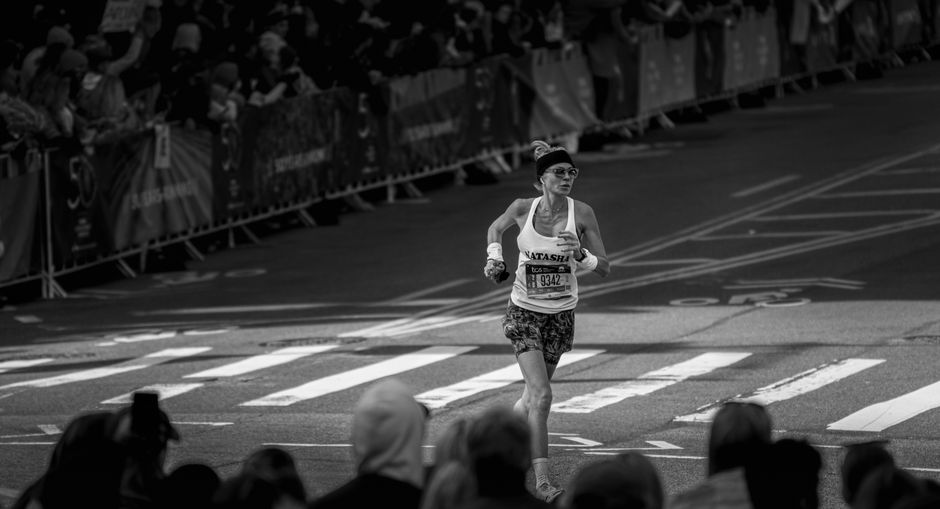
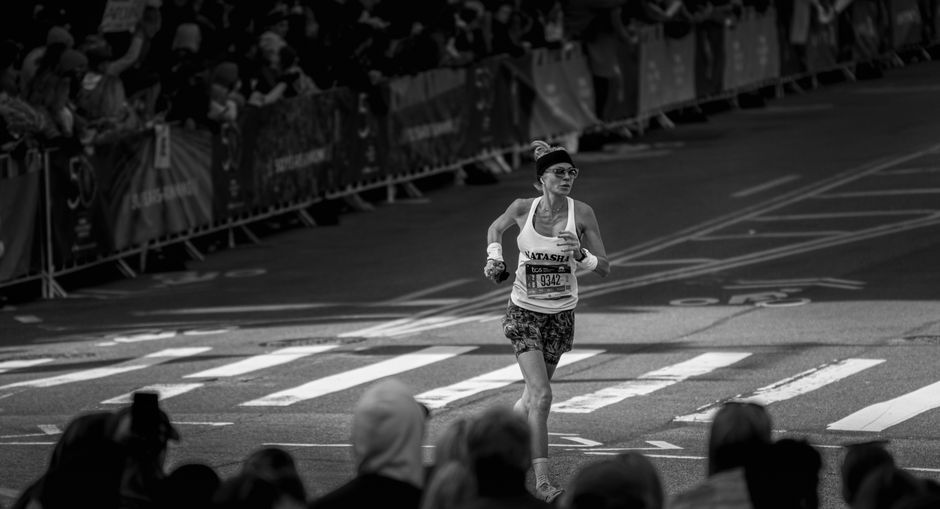
Yet the results speak louder than budget sheets. The Harlem Little League, operating since 1951 in the shadows of tenements and the elevated subway, has launched dozens of players into college baseball. Youth Track & Field programs in Jamaica, Queens have developed Olympic-caliber runners. The Gauchos Boxing Club in Red Hook has produced multiple Golden Gloves champions.
These aren't accidents of geography. They're products of dedicated community leaders who understand that elite athletic venues require elite participation pipelines. When a kid learns discipline at a neighborhood boxing gym or discovers their gift for distance running at a local track meet, they're not just developing physically—they're experiencing what organized sport can offer: structure, mentorship, and belonging.
As New York continues building its sports prestige, the invisible infrastructure of grassroots programs remains the city's greatest athletic asset—converting concrete courts and aging fields into launchpads for dreams.
This article was compiled by AI from the sources linked above and screened before publishing. See our editorial standards.
How does this story make you feel?
Spread the word
About this article
Published by The Daily New York
Daily brief
Free, in your inbox before 7am. Weekdays.
More in Sport